If you have ever stood in the garden holding a trowel and thought, “I’d love more butterflies, but where do I even start,” you are in excellent company. A pollinator-friendly garden is not just about adding a few random “bee plants.” It is about arranging food and habitat so bees and butterflies can find it efficiently, season after season, without you turning your weekends into a full-time landscaping job.
Below are practical, buildable layouts you can adapt to almost any space, plus the design rules that make them work: native plants, generous flower clusters, and a bloom calendar that does not fizzle out in midsummer.
What pollinators are actually looking for
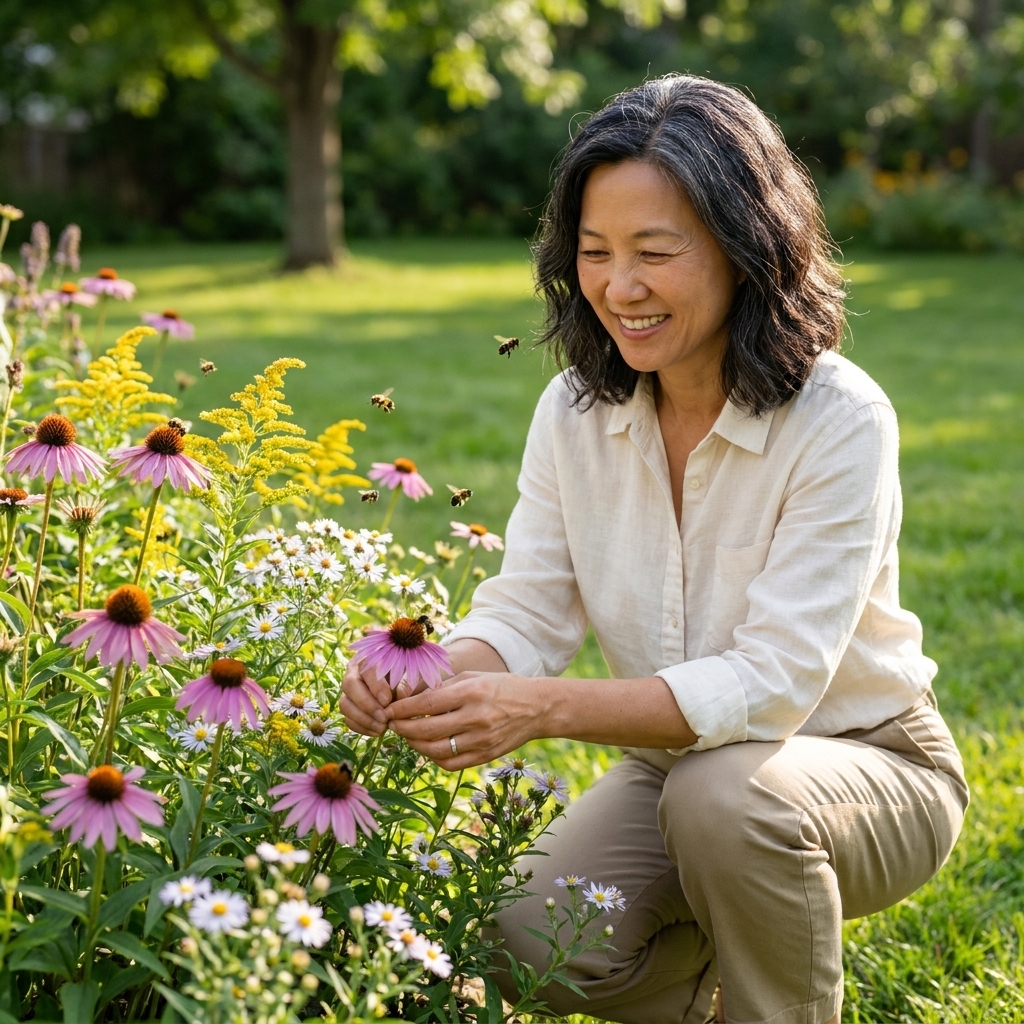
Bees, butterflies, moths, and helpful flies are not judging your garden. They are hunting for three things: reliable nectar (energy), pollen (protein for raising young), and safe places to rest and reproduce.
- Bees need continuous blooms and sunny foraging lanes. Many native bees nest in the ground and appreciate patches of bare or lightly mulched soil, while others use stems, cavities in wood, or existing holes.
- Butterflies need nectar plants for adults and host plants for caterpillars. If you want butterflies, you have to be willing to feed their babies too.
- Both benefit from shallow water with landing spots, windbreaks, and fewer chemicals.
Design tip: think of your garden like a neighborhood with a grocery store, a nursery, and a few quiet parks. You can make it pretty and still make it functional.
The 6 design rules that make pollinator layouts work
1) Choose native plants first
Native flowers are familiar food sources for local pollinators and tend to handle your climate with less babysitting. You can absolutely include a few well-behaved non-natives, but make your backbone native.
If you are not sure what is native in your area, check your state native plant society or your local extension office plant lists. Aim for a mix of flower shapes and colors, and choose species that match your region’s conditions.
2) Plant in clusters, not singles
Pollinators forage efficiently. A lone coneflower in the corner is like a single grape in a grocery aisle. Instead, repeat plants in “drifts” so they are easy to spot and worth the trip.
- Minimum cluster size: 3 to 5 plants of the same species
- Better: 7 to 11 plants per drift if you have the room
3) Create a continuous bloom cycle
One of the most common heartbreaks I see is a garden that is gorgeous in May and quiet by July. Build a bloom sequence across three seasons.
- Early season: supports queen bumblebees and emerging native bees
- Midseason: the busiest period for many pollinators
- Late season: critical fuel for migration and overwintering
4) Include host plants for caterpillars
Butterflies cannot reproduce without host plants, and caterpillars are supposed to chew. Put host plants where a little leaf damage will not stress you out.
- Milkweed for monarchs
- Parsley, dill, or fennel for black swallowtail caterpillars (and a few other herb-loving species, depending on region)
- Native grasses and sedges for many skippers (species vary)
5) Add shelter and rest stops
Wind and heavy rain are hard on insects. A simple hedge, shrub grouping, or even a fence line planted with perennials can create calmer pockets. Flat stones in sun are surprisingly useful for butterflies to warm up.
6) Be intentional with mulch and chemicals
Many native bees nest in the ground. If you mulch everything thickly, you can unintentionally block nesting sites. Keep a couple small patches of lightly mulched or bare soil in sunny, well-drained spots. Think 1 to 2 square feet each, ideally where they stay on the dry side.
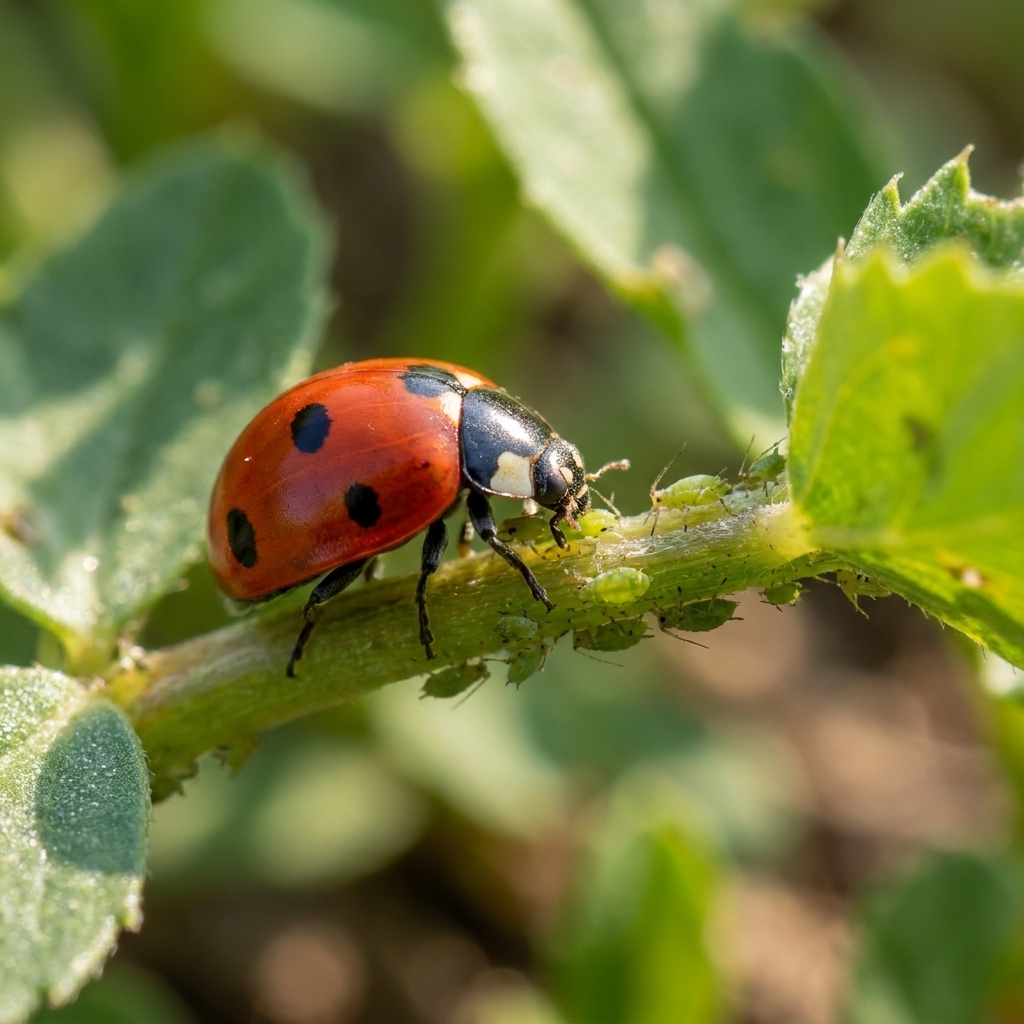
Also, be picky about what you spray, including herbicides. The safest approach is integrated pest management: start with hand-picking, pruning, water sprays, row covers, and improving plant health. If you must use a product, follow the label exactly, avoid treating open blooms, and only apply when pollinators are not active in the area. Some pollinators forage at dusk and dawn, and many products can remain harmful after application, so “spray at dusk” is not a magic safety switch.
3 easy layouts that attract bees and butterflies
Layout 1: Sunny border
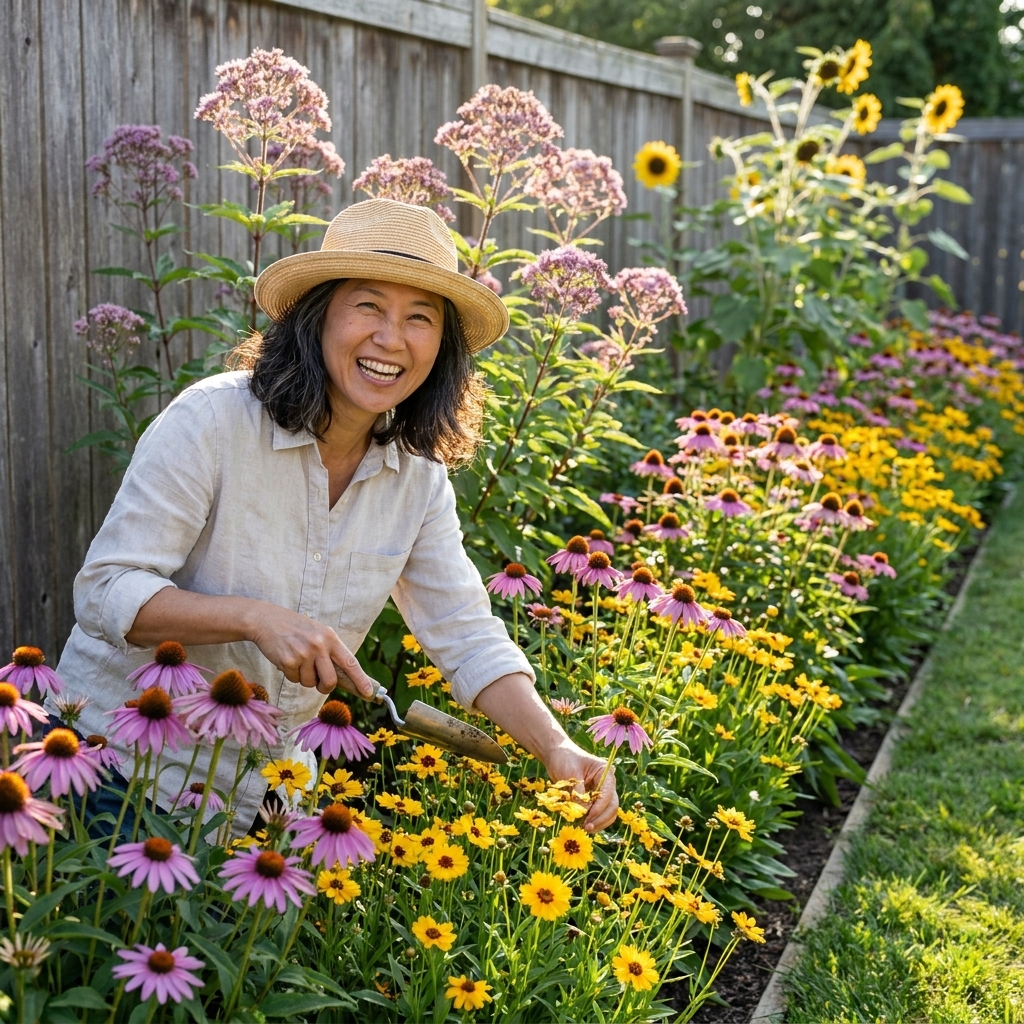
This is my favorite “looks like a real garden” layout because it reads tidy from the house while still being a buffet for pollinators.
How it works: place taller plants in back, medium in the middle, shorter in front. Repeat the same 3 to 5 species in drifts along the length of the border.
- Back row: tall natives (think joe-pye weed, switchgrass, native sunflowers)
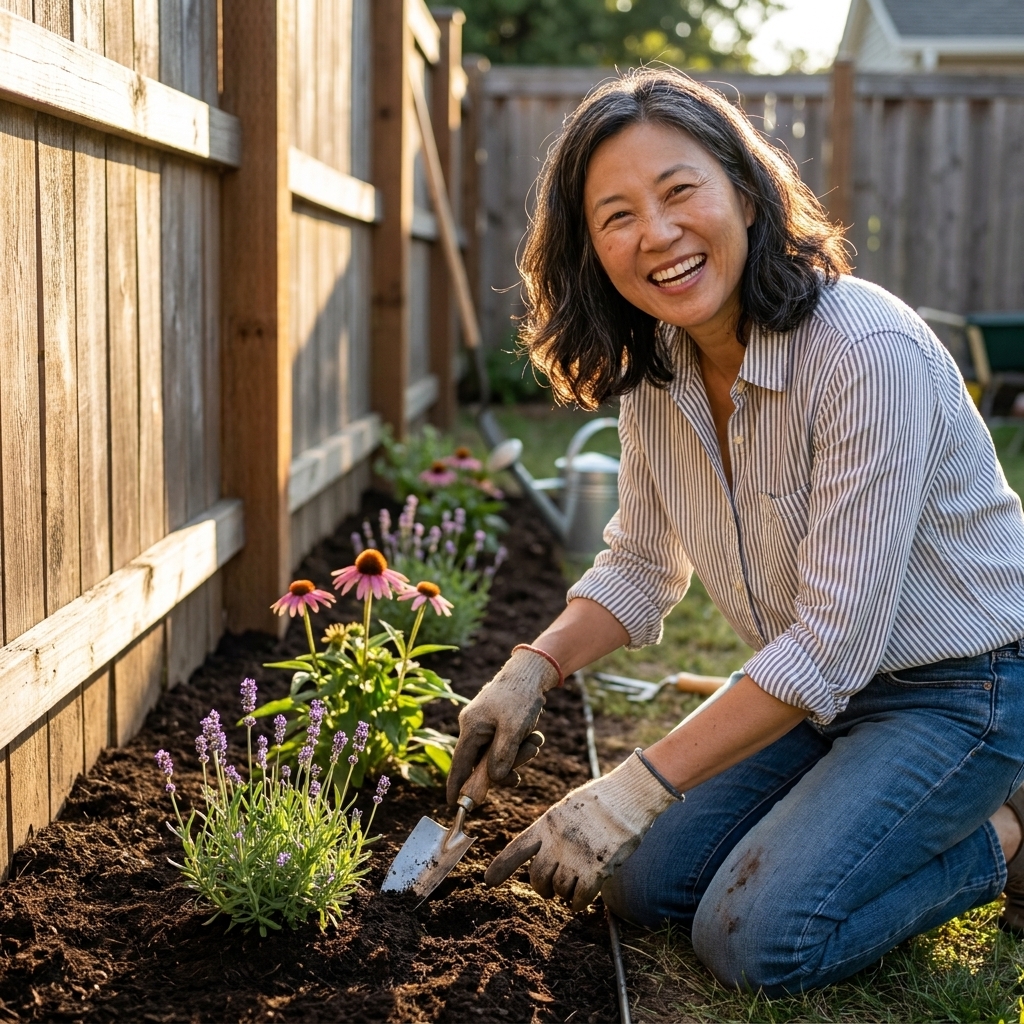
- Middle row: coneflower, bee balm, asters, blanketflower
- Front edge: shorter bloomers like coreopsis or native violets
Spacing: leave enough room for mature width. Overcrowding reduces airflow and invites mildew, especially for bee balm.
Example mini palette (mix and repeat): switchgrass + joe-pye weed (back), purple coneflower + mountain mint (middle), coreopsis (front), with one tucked clump of milkweed slightly off to the side.
Layout 2: Island bed
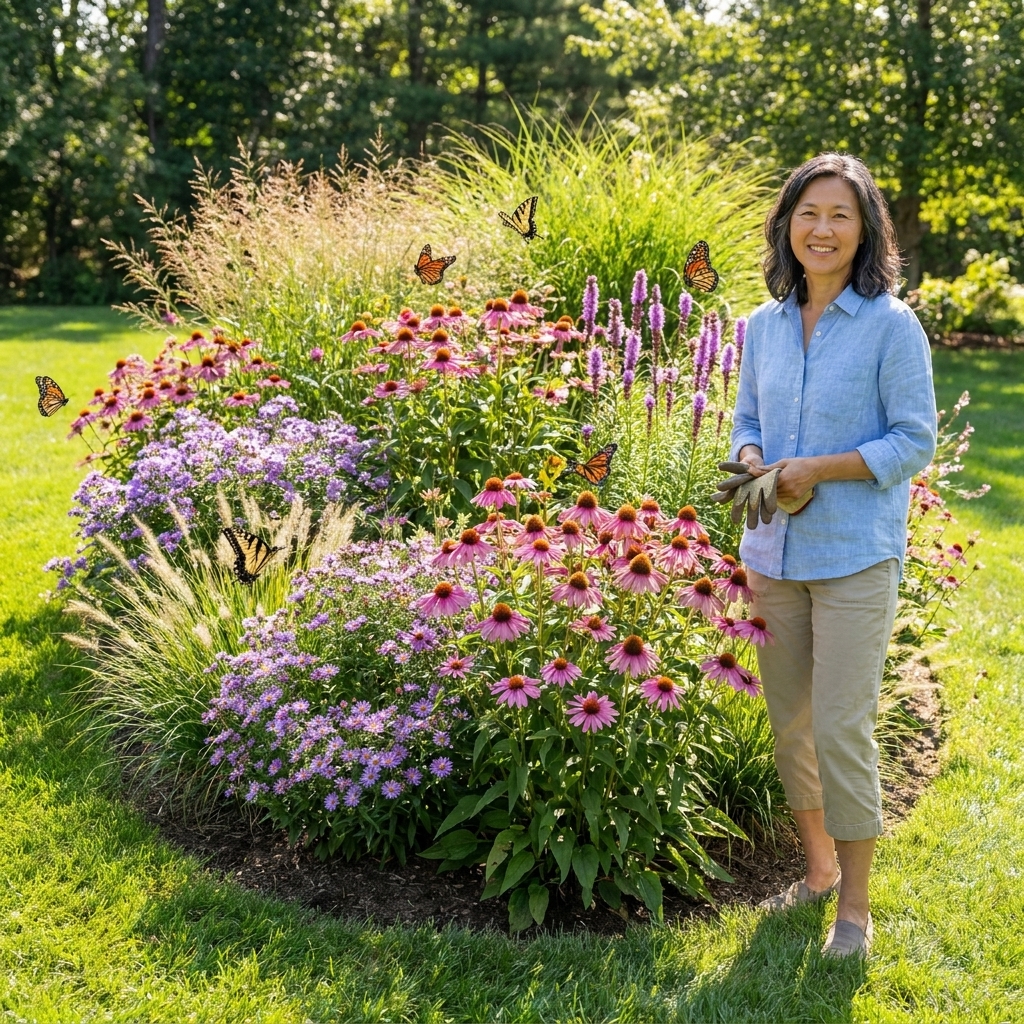
Island beds are wonderful in open lawns or near patios because pollinators can approach from any side, and you can make it feel like a destination.
How it works: build a soft oval or kidney shape. Put your tallest plants in the center, then step down in height as you move outward. This creates a layered landing pad.
- Center: a small native shrub or tall perennials
- Mid ring: 2 to 3 strong nectar plants in large clusters
- Outer ring: low edging plants that bloom early or often
Pro tip: include one or two clumps of grasses for structure and overwintering habitat. They also make the whole bed look intentional even when flowers are between flushes.
Example mini palette: a compact native shrub (like inkberry or ninebark, chosen for your region) in the center, surrounded by drifts of liatris and bee balm, then edged with golden alexanders and a low, early bloomer like wild strawberry.
Layout 3: Pocket habitat
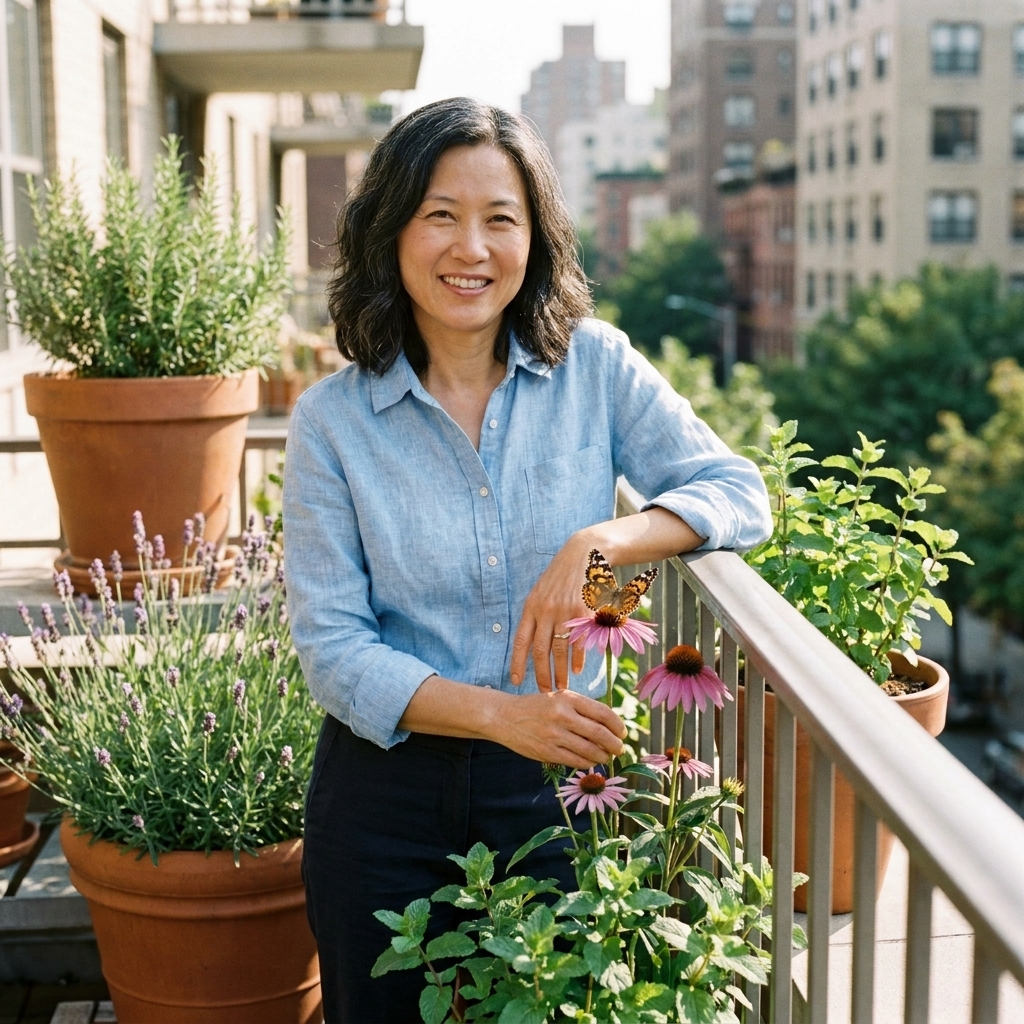
You do not need a big yard to support pollinators. You need density, sun, and a plan.
How it works: choose 5 to 7 pollinator plants total and repeat them in containers or a tight in-ground patch. Include at least one host plant and one late-season bloomer.
- For containers: group 3 to 5 pots together so it reads like one meadow from above.
- For tiny beds: plant in blocks, not a checkerboard of singles.
Container reminder: pots dry fast. Mulch the surface lightly with shredded leaves or fine bark and water deeply.
Container-friendly plant ideas: compact mountain mint, native columbine, coreopsis, dwarf blazing star, and a small pot of milkweed suited to your region. If you have part shade, try wild geranium or native violets.
Build a season-long bloom plan
If you take only one planning step, make it this: pick at least two strong bloomers per season. That way, if one plant has an off year, pollinators still have options. And a quick reminder: the best plant list is the one that matches your region, so treat these as categories and then choose local species.
Early season ideas
- Native columbine
- Wild geranium
- Penstemon (many species bloom early)
- Golden alexanders
Midseason ideas
- Purple coneflower
- Bee balm (monarda)
- Blazing star (liatris)
- Mountain mint (a pollinator magnet that stays neat)
Late season ideas
- Asters (native species are especially valuable)
- Goldenrod (the well-behaved kinds exist, I promise)
- Joe-pye weed
- Native ironweed (a great late-season alternative if you want a true native powerhouse)
- Sedum-type stonecrops (great bridge into fall, though many are non-native)
Try to include a range of flower shapes: tubular (for long-tongued pollinators), flat-topped (great landing pads), and daisy-like (easy access). Also, when you can, choose single-flowered varieties over heavily double-flowered cultivars, which can be harder for insects to use.
Where to place your pollinator garden
- Sun: aim for 6+ hours if you can. Many top pollinator plants need it to bloom heavily.
- Visibility: put it where you will actually see it. Pollinator gardens are best enjoyed with a cup of tea in hand.
- Wind protection: near a hedge, fence, shrubs, or the lee side of the house.
- Water: keep it within hose reach, especially year one.
If you are working with part shade, lean into woodland edge natives and flowering shrubs. You will still get pollinator traffic, just with a different cast of characters.
Add the extras pollinators love
A simple water station
Skip the deep birdbath. Pollinators do better with shallow, safe access.
- A low dish or plant saucer
- Clean pebbles or small stones for landing spots
- Fresh water every few days in hot weather
Paths and pause points
A narrow mulch path or stepping stones through a bed makes maintenance easier and gives you a front-row seat. Pollinator gardens can look wild in the best way, but a path signals “this is on purpose.”
Leave some stems standing
In fall, consider leaving some hollow or pithy stems through winter. Some native bees and beneficial wasps overwinter in them. You can do your cleanup in spring when temperatures are consistently mild.
A beginner-friendly planting recipe
If decision fatigue hits, use this simple recipe for a small bed (about 4 by 8 feet) and scale up by repeating.
- 2 anchor plants: sturdy, long-lived perennials or a small shrub
- 3 nectar heroes: plants that bloom heavily and draw constant visitors
- 2 support plants: early or late bloomers to fill gaps
- 1 host plant group: tucked slightly off-center
- 1 grass clump: structure and habitat
One sample 4 by 8 plan: little bluestem (grass clump), purple coneflower (nectar hero), mountain mint (nectar hero), liatris (nectar hero), golden alexanders (early support), aromatic aster (late support), plus one small grouping of milkweed appropriate to your region (host plant), with a sturdy anchor like a compact joe-pye weed or a small native shrub if the bed is big enough.
Plant in clusters, water well the first season, and resist the urge to judge it too harshly in month one. Pollinator gardens settle in like a friendship. A little time makes all the difference.
Common mistakes
- Too many varieties, not enough repetition: reduce the plant list and increase cluster size.
- No late-season flowers: add asters or goldenrod, even if it is just one big drift.
- All nectar, no host plants: dedicate one corner to milkweed or herbs for caterpillars.
- Over-mulching: leave a few small, sunny soil patches for ground nesters.
- Expecting perfection in year one: year one sleeps, year two creeps, year three leaps. Your pollinators will show up sooner than your garden’s final form.
FAQ
Do I need to plant only native flowers?
No, but natives should be your foundation. A few non-native favorites can coexist, especially if they are not invasive and they provide nectar or pollen when other plants are not blooming.
How big does a pollinator garden need to be?
Any size helps. Even a small cluster of containers can provide food, especially if you focus on continuous blooms and plant repetition.
Will a pollinator garden attract stinging insects near kids or pets?
You may see more bees, but most native bees are not aggressive. Place the most active flower clusters a little away from high-traffic play areas and doorways, and avoid strongly scented flowering plants right beside seating if you are worried.
What is the fastest way to get more butterflies?
Add host plants and stop treating leaf chewing like an emergency. A little caterpillar damage is usually a sign your garden is functioning.