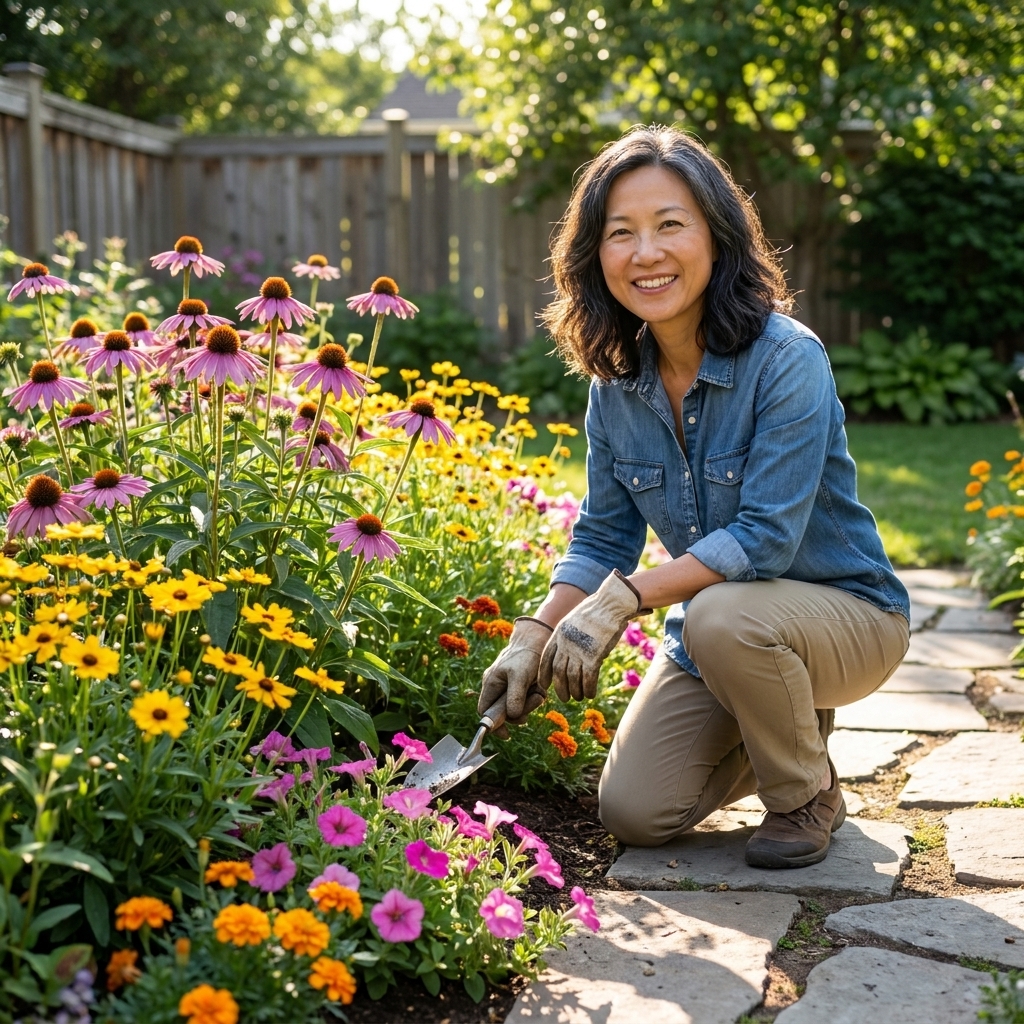
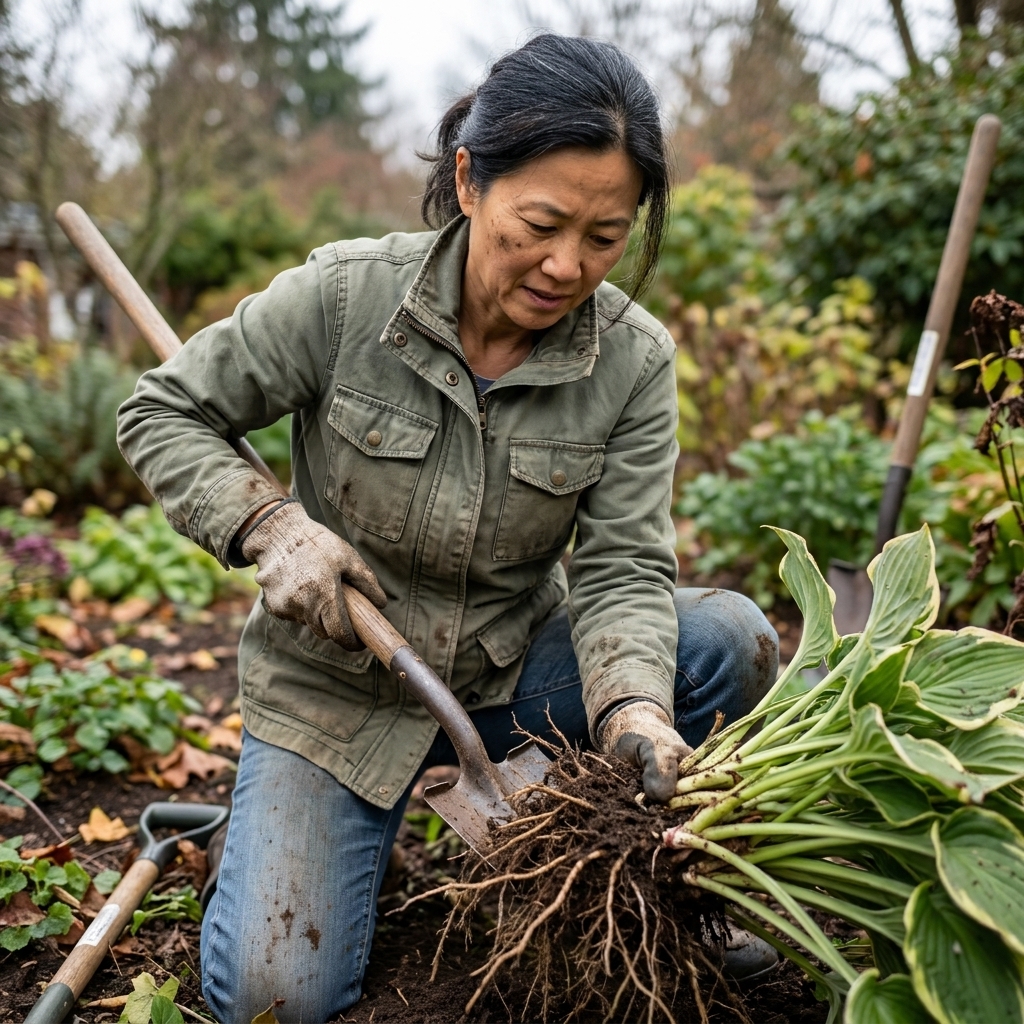
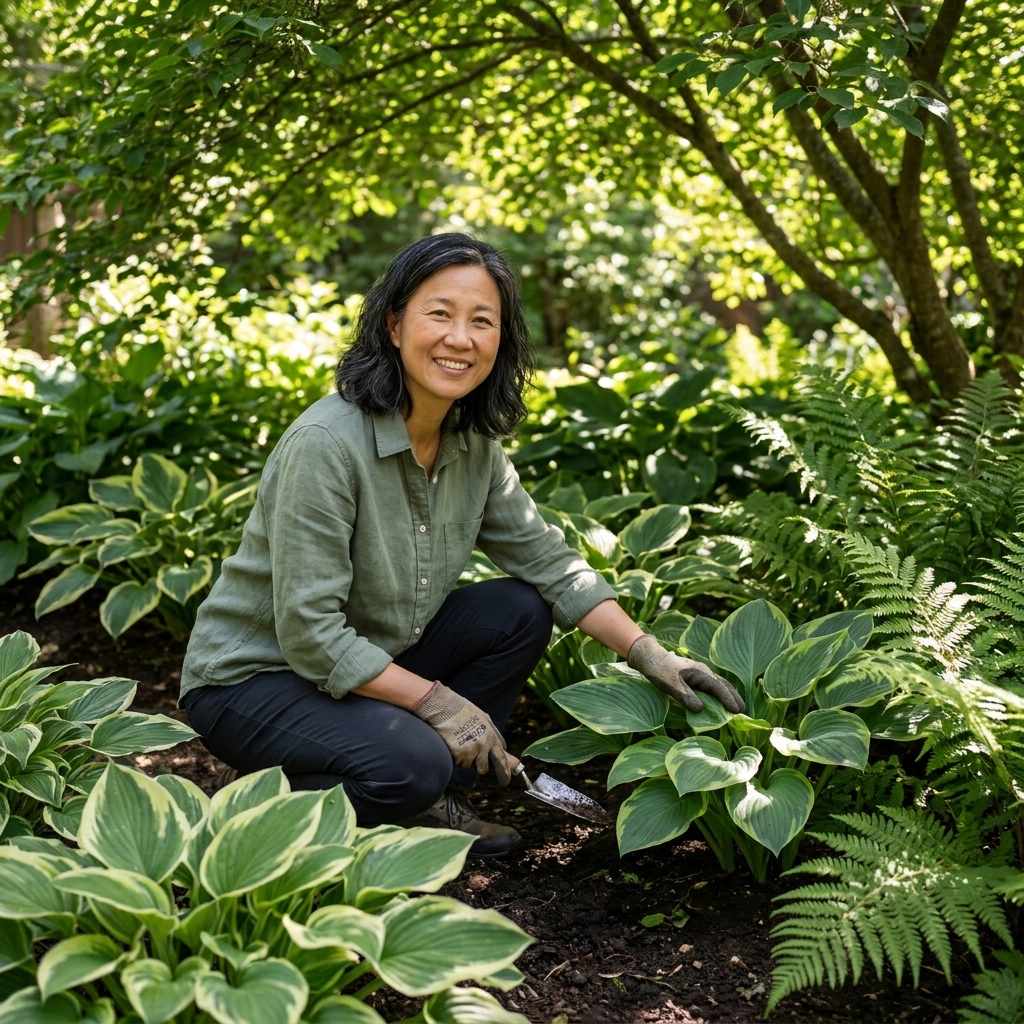
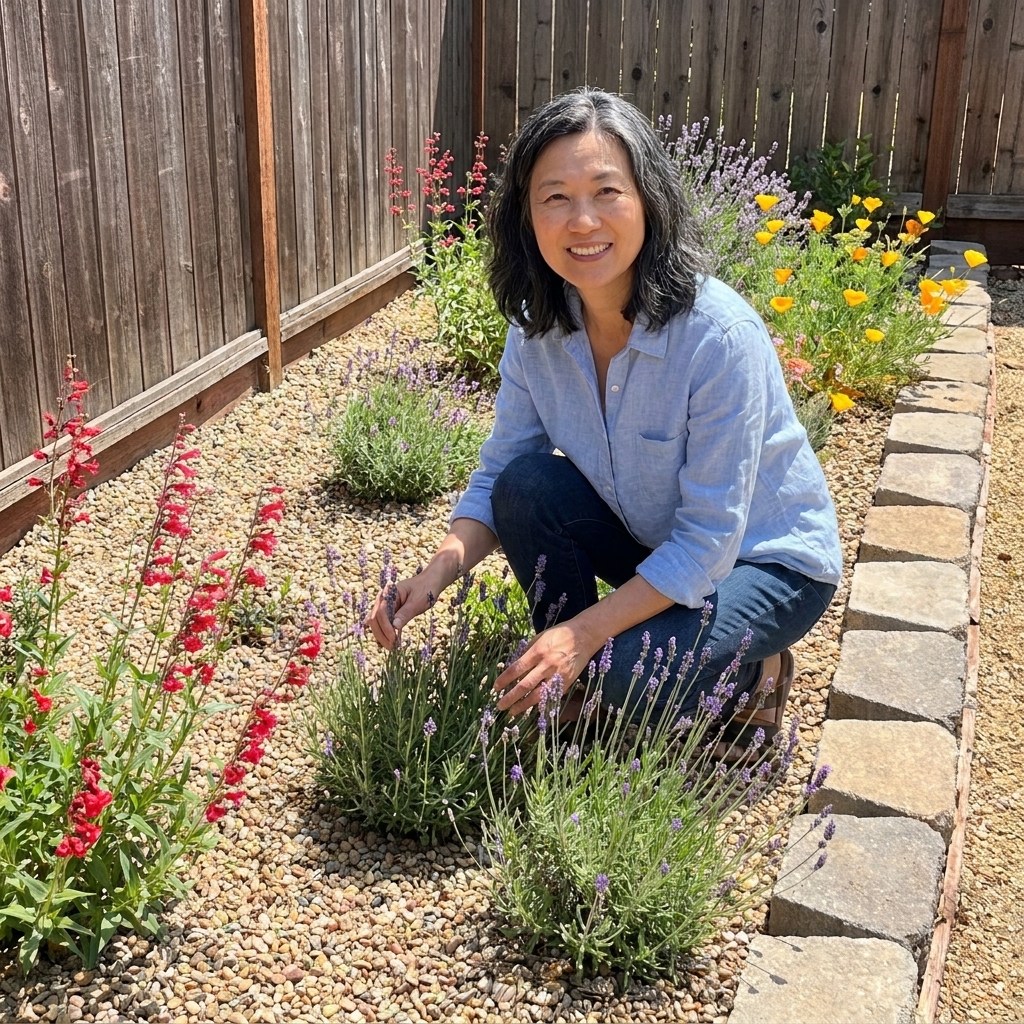
Hi, I’m Clara Lin, and I’m really glad you found your way to Sprig Space.
I’m a lifelong gardener, a Master Naturalist, and a landscape enthusiast with a well-worn trowel, a compost habit, and more than a decade of experience turning tired soil into thriving backyard ecosystems. I write about gardening the way I do it: with curiosity, kindness, and a strong preference for solutions that work with nature instead of against it.
How I got here
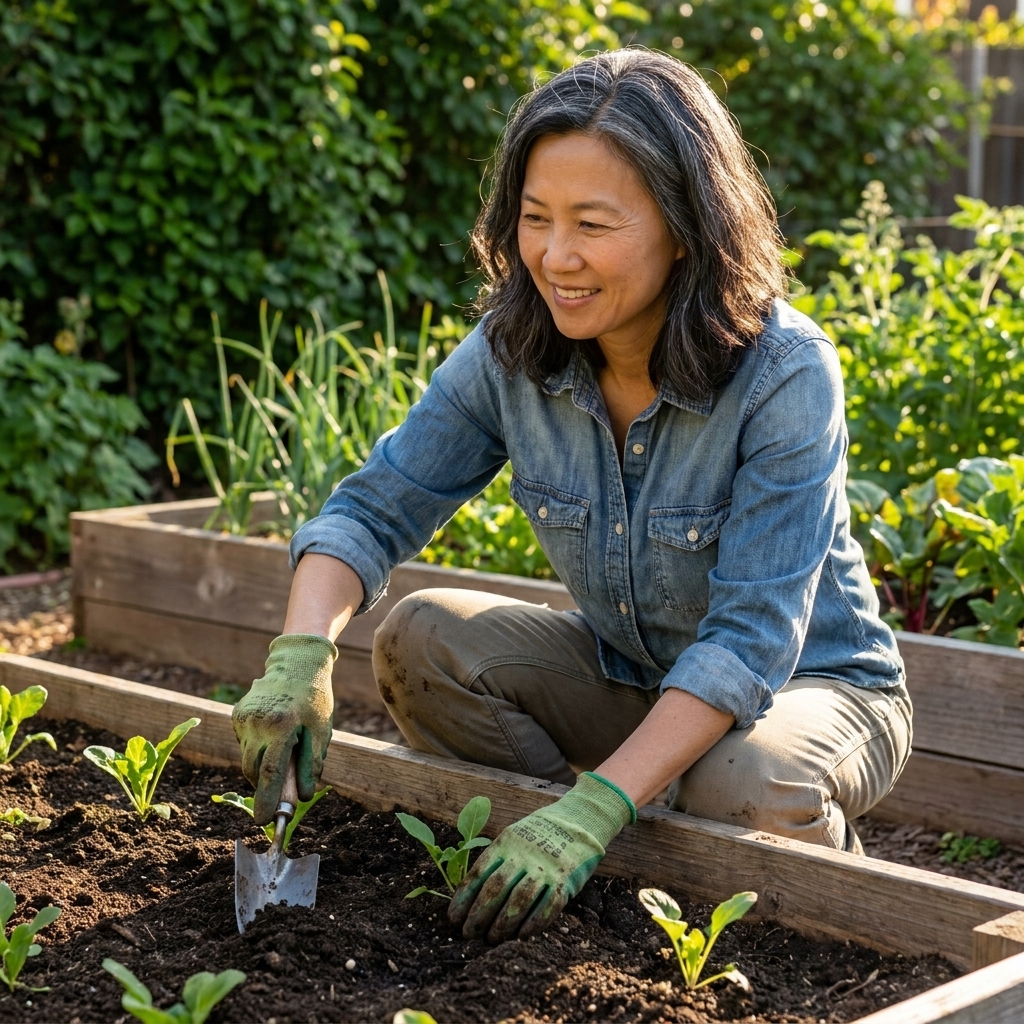
Some of my earliest memories are of trailing behind my grandmother, half-hidden in hydrangea shadows, listening to her talk to plants like they were old friends. She grew heirloom tomatoes that tasted like summer itself and treated soil like something worth protecting. I didn’t realize it at the time, but she was teaching me the biggest gardening lesson of all: pay attention.
I originally pursued a career in education, because I love helping people learn and I have a soft spot for beginners. But the outdoors kept tugging on my sleeve. Eventually I followed that pull back to the soil, completed a Master Gardener program, and leaned fully into the work that made me feel most grounded, literally and otherwise.
Now I spend my days writing, experimenting, and teaching the kind of gardening that doesn’t require perfect timing, pristine beds, or expensive gadgets. If you’ve ever felt like you were doing it all “wrong,” you’re in the right place.
What Sprig Space does
Sprig Space exists because gardening should feel therapeutic and accessible, not like a stressful quest for perfection. My mission is to help you build a garden that fits your life, your energy, and your space, whether that’s a quarter-acre yard, a scrappy side strip by the driveway, or a sunny balcony with three containers and big dreams.
You’ll see a lot of encouragement here, but you’ll also get practical next steps. I want you to finish an article and think, “Okay, I can do that this weekend.” Expect checklists, quick wins, seasonal timing tips, and troubleshooting guides for the moments when your plants are telling you something and you’re not sure what.
I also believe we can grow beautiful things while being good neighbors to the ecosystem around us. That means focusing on healthy soil, supporting pollinators, and using integrated pest management (IPM) with lower-toxicity, organic-leaning tools when they’re actually needed.
How I garden
My specialties are ecologically minded pest management, soil rehabilitation, companion planting, composting, and designing low-maintenance perennial beds. In real-life terms, that looks like:
- Beginner-friendly planning: choosing plants that match your light, your climate, and your schedule, plus simple layouts that don’t overwhelm.
- Healthier soil first: compost basics, mulching, and practical ways to improve tired, compacted, or sandy soil without magic potions.
- Smarter pest control: identifying what’s actually eating your plants, then using targeted steps like barriers, hand-picking, habitat support for beneficial insects, and sensible treatments when needed.
- Companion planting with realism: plant pairings that are helpful in the real world, plus what companion planting can’t do, because your tomatoes deserve honesty.
- Low-maintenance perennials: creating beds that come back reliably, look good most of the year, and don’t require you to deadhead like it’s a second job.
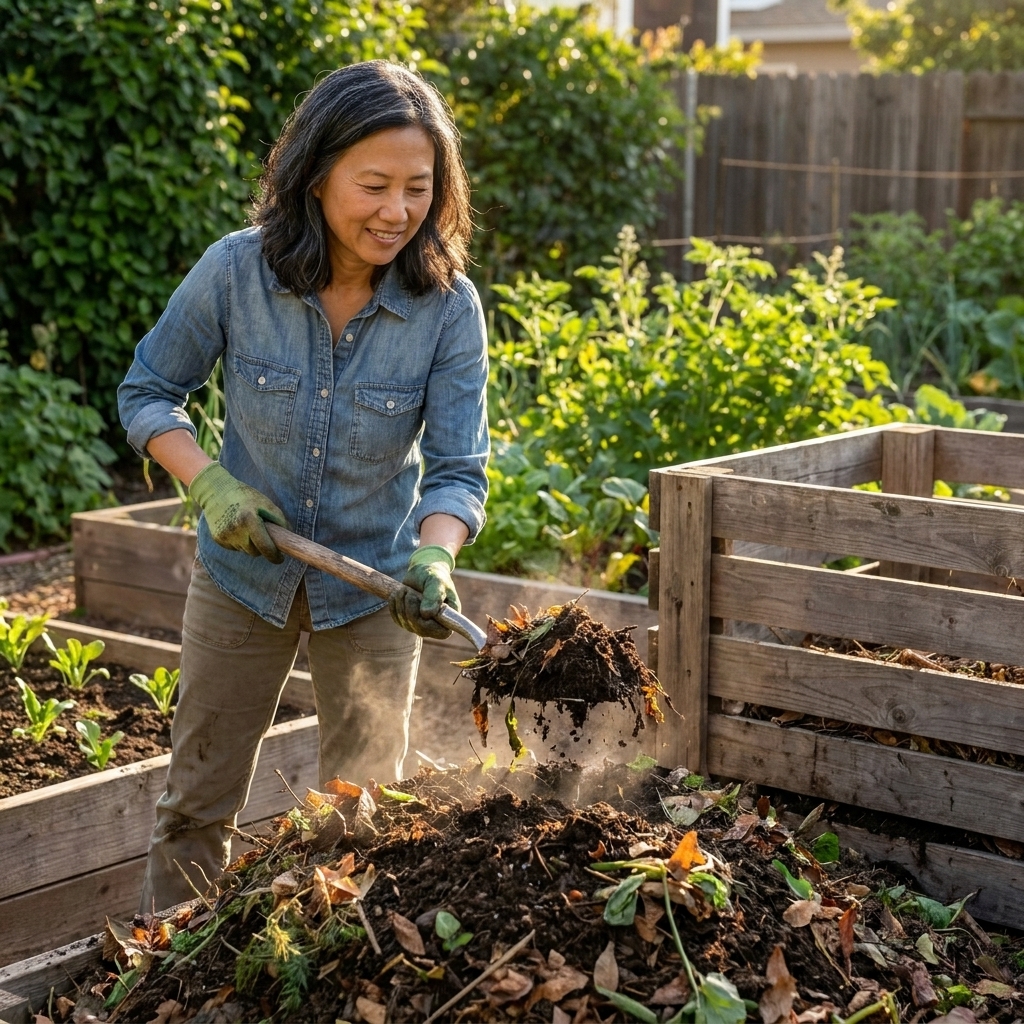
And yes, I will absolutely normalize gardening mishaps. Every seasoned gardener has a compost bin full of past mistakes. Mine has a few embarrassing zucchini chapters.
Where I garden
I garden at home in the United States in a four-season climate. I try to note when advice is climate-specific, and I’ll always offer options, because what works in a humid summer doesn’t always translate to a dry one.
On perfection
If you take one thing from Sprig Space, let it be this: you don’t have to earn the right to garden by being good at it.
Plants die. Seedlings flop over. A squirrel will occasionally steal the one tomato you were waiting to pick for a sandwich. Gardening is not a performance; it’s a relationship. Your job isn’t to control everything. Your job is to keep showing up, learning, and building a little more resilience each season, in the soil and in yourself.
Life outside the keyboard
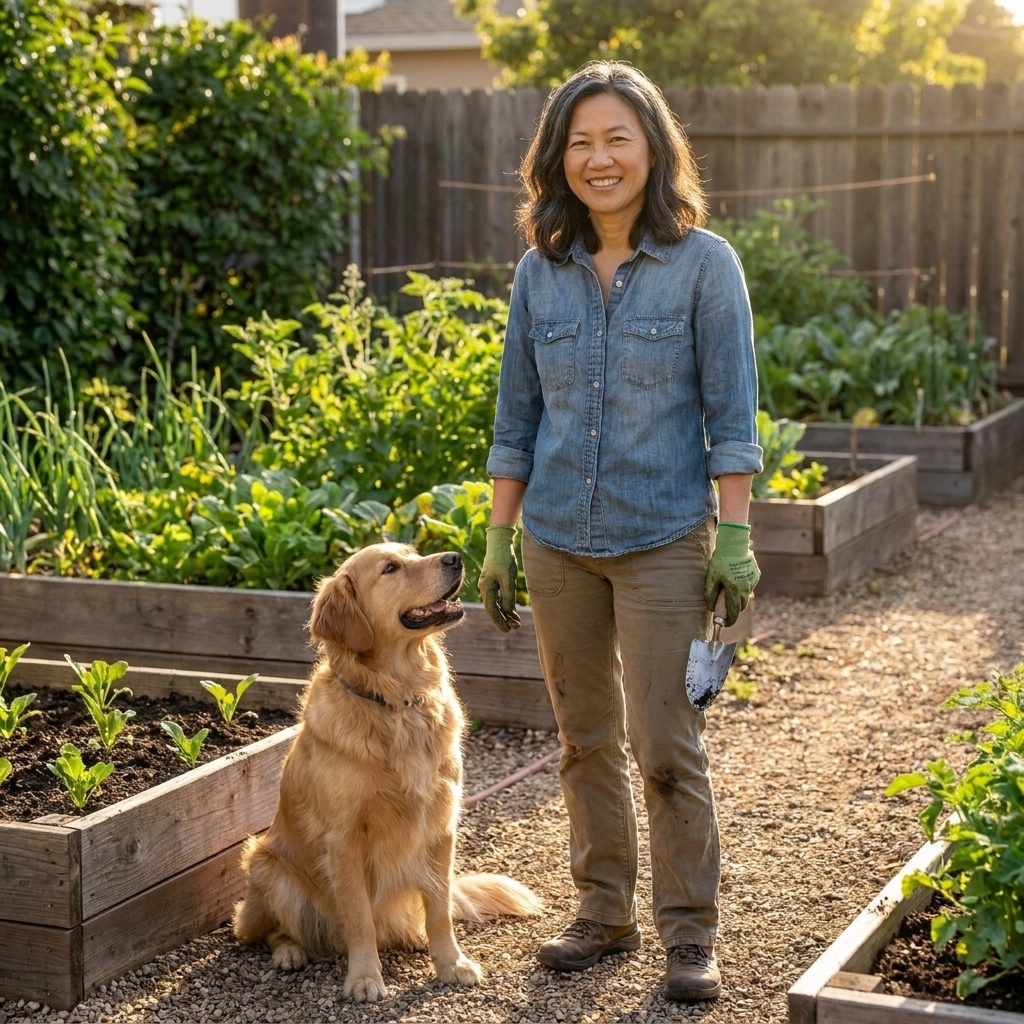
When I’m not writing for Sprig Space, you can usually find me outside pulling weeds with my golden retriever, Barnaby, supervising from the nearest patch of shade. I’m happiest when I’m listening to birds, checking leaves for new growth, and quietly celebrating the small wins, like a basil plant that finally stops sulking.
Welcome
Whether you’re starting your first herb pot or rebuilding a whole yard, you’re welcome here. I’ll help you choose the right plants, troubleshoot what’s happening in your beds, and build a garden that feels like relief when you step outside.
If you’re not sure where to begin, start with the basics: learn your light, learn your soil, then pick a few plants you’re genuinely excited to grow. From there, we’ll build the garden one small, doable step at a time.
So grab a pair of gloves, a mug of something warm, and the willingness to learn as you go. The garden doesn’t need you to be perfect. It just needs you to begin.