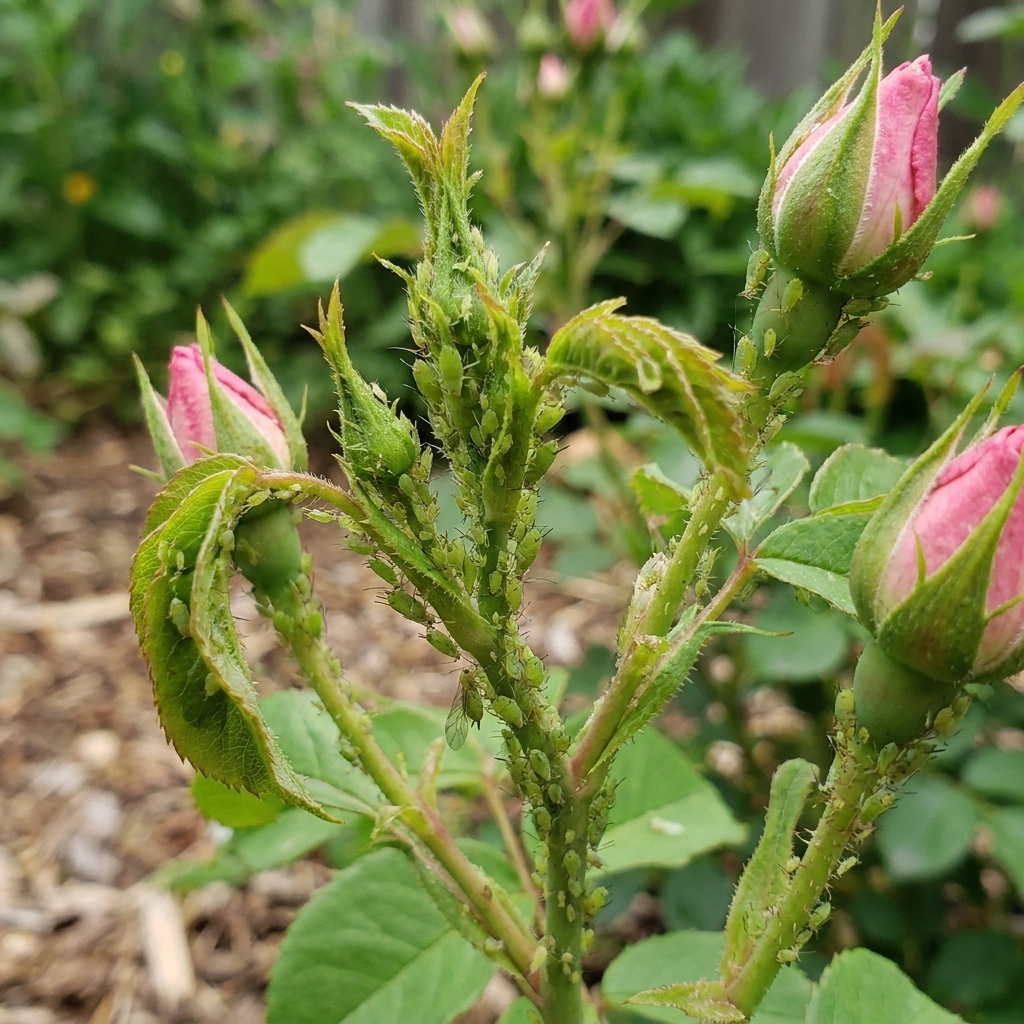
If you have ever stood in the garden holding a leaf that looks like it lost a fight with a hole puncher, you are in the right place. The good news is you do not need to “win” against pests with harsher and harsher sprays. You can recruit help.
Beneficial insects like ladybugs, lacewings, hoverflies, and predatory wasps are the garden’s quiet little security team. They eat (or parasitize) the bugs that chew, suck, and stunt your plants. Your job is not to buy an army. Your job is to make your yard a place they want to live.
What counts as a beneficial insect?
“Beneficial” is a big umbrella. Some insects pollinate, some decompose organic matter, and some are predators or parasitoids that reduce pest populations. In this article, we are focusing on the pest-control all-stars that help with common problems like aphids, caterpillars, whiteflies, thrips, and scale.
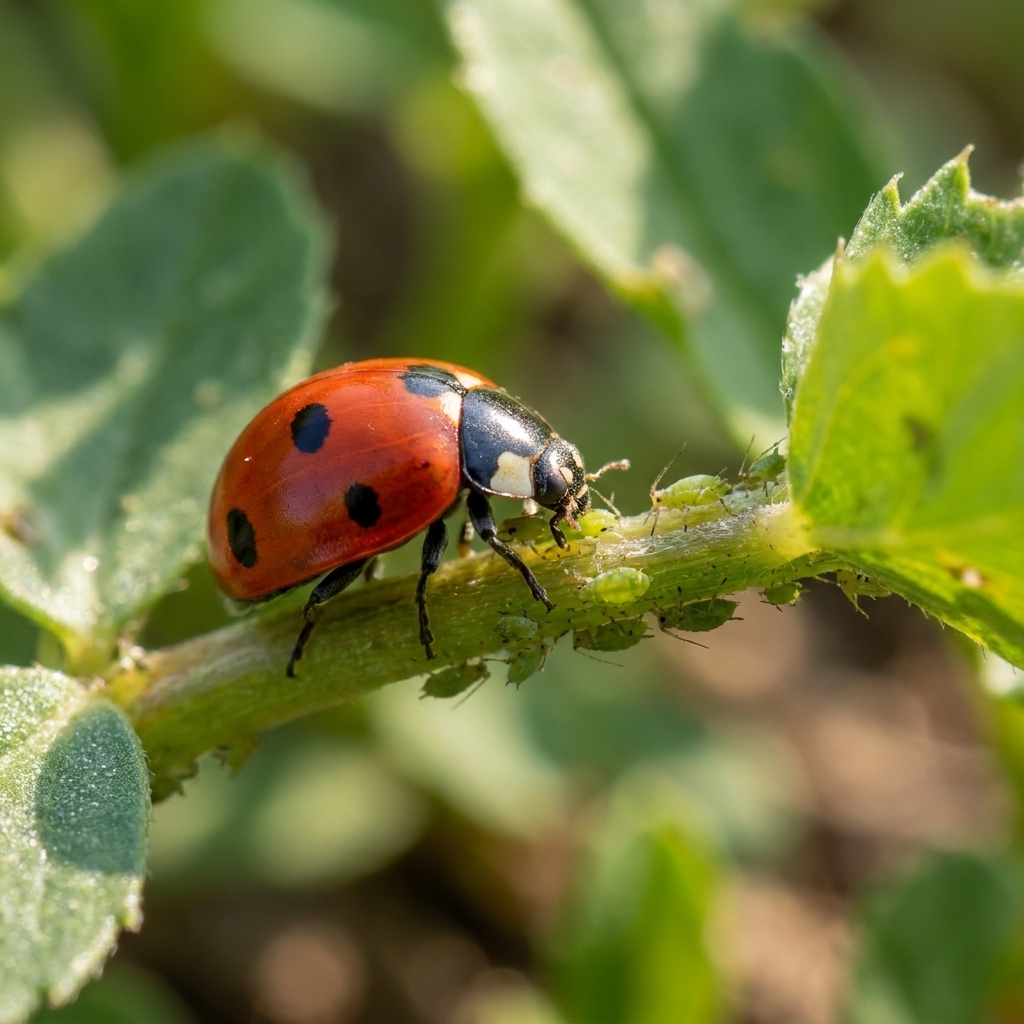
- Ladybugs (lady beetles): Both adults and larvae eat aphids, mealybugs, and small soft-bodied insects.
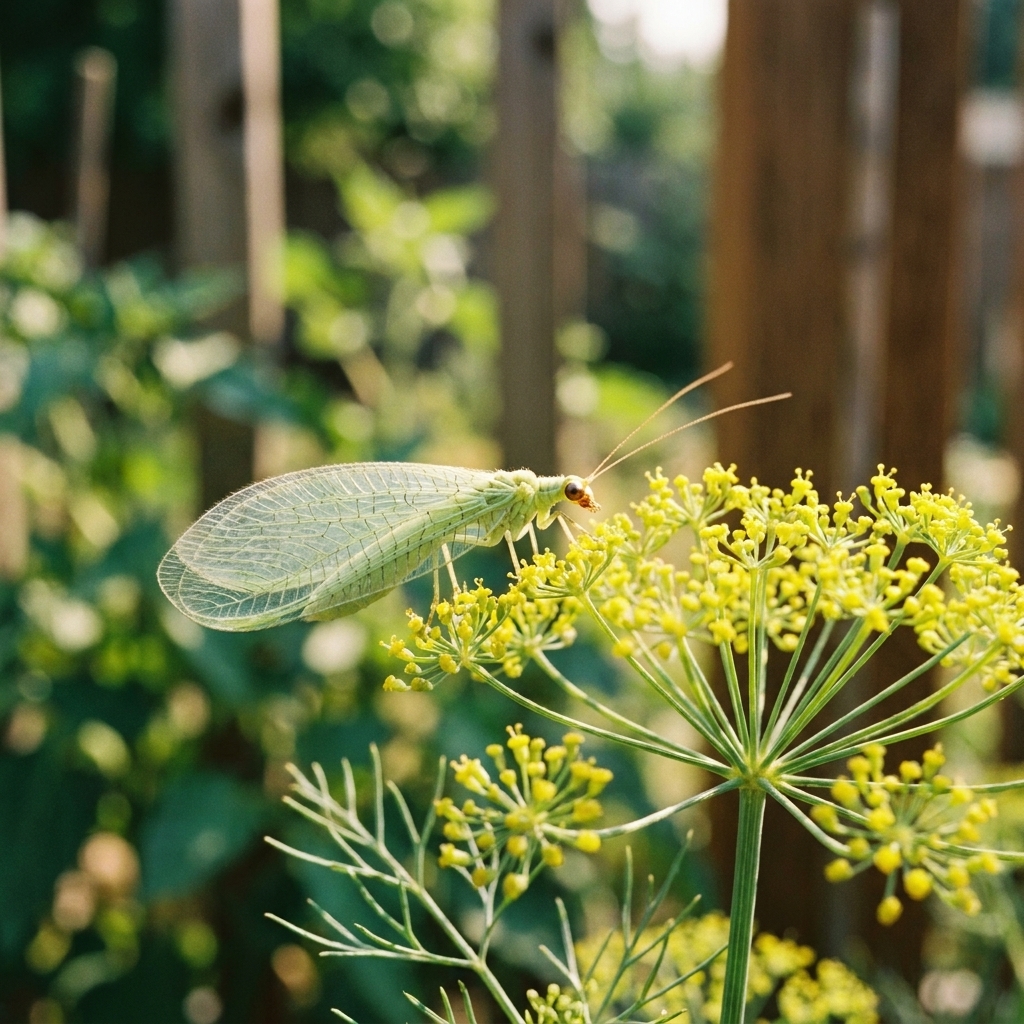
- Lacewings: Their larvae are nicknamed “aphid lions” for good reason.
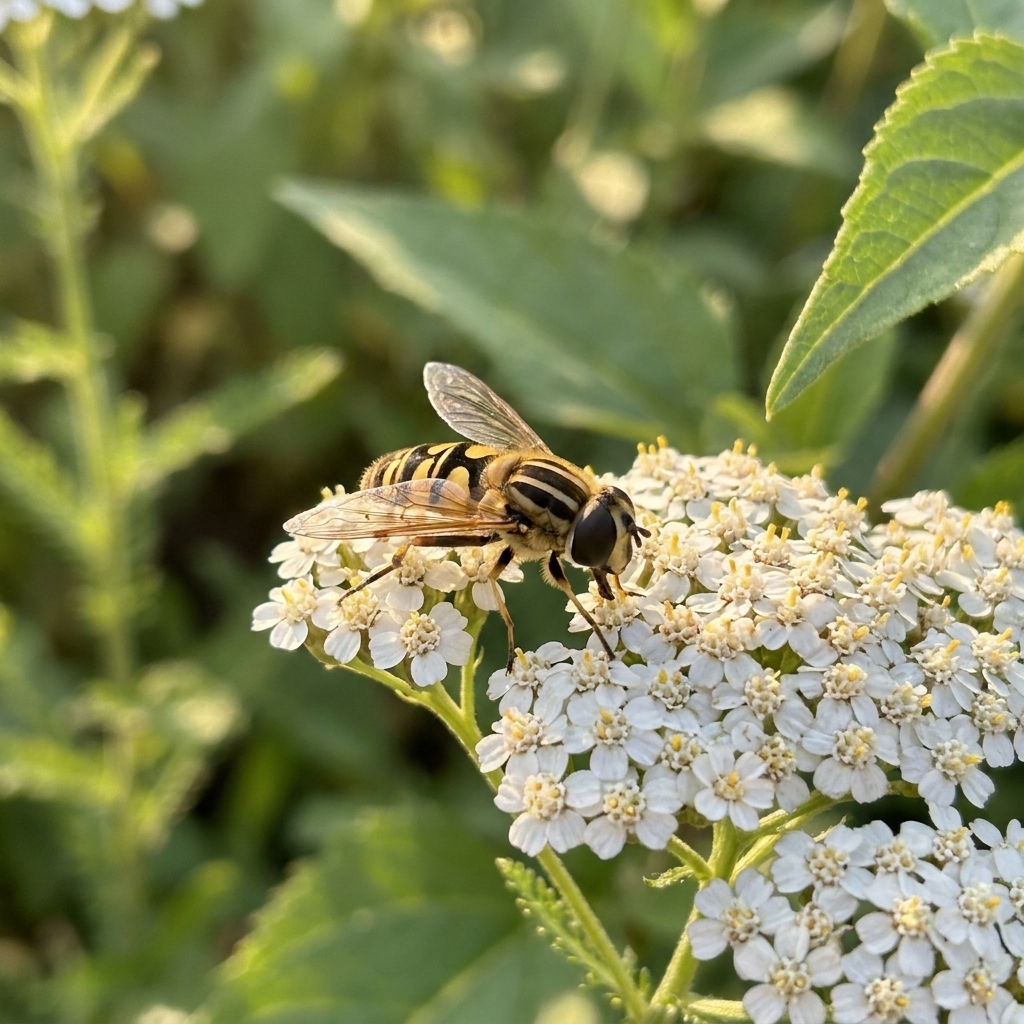
- Hoverflies (syrphid flies): Adults pollinate, larvae eat aphids.
- Predatory wasps: Tiny, generally non-aggressive parasitoids that lay eggs in or on pests (like hornworms, aphids, and whiteflies), stopping the damage at the source.
- Ground beetles and rove beetles: Night hunters that go after cutworms, grubs, and other soil-level troublemakers. Some species can also prey on slug eggs and very small slugs, especially in the right habitat.
A quick reassurance from someone who gardens in shorts: the “predatory wasps” we want are usually small, solitary species. They are not the picnic crashers that build papery nests under eaves.
One more thing that helps long-term: whenever you can, support native beneficial insects. “Ladybug” is not one bug, it is a whole group, and what is common (or even sold commercially) is not always what is local to your region.
The real secret: food, water, shelter, and no drama
Beneficial insects show up when the garden meets their basic needs consistently, not just when pests explode. Think of it as habitat gardening. These are the four pillars:
- Food: Nectar and pollen for adults, plus a steady (but manageable) supply of prey.
- Water: Shallow, safe access to moisture.
- Shelter: Places to hide, overwinter, and lay eggs.
- No drama: No broad-spectrum sprays and no scorched-earth cleanup that removes every hiding place.
Plant nectar and pollen
Most beneficial predators still need nectar and pollen as adults, even if their babies are the real bug-eaters. The trick is to plant small, open flowers and keep something blooming from spring through fall.
Best flower shapes
Flat-topped clusters and tiny blooms are easiest for small insects to access.
- Umbels (tiny flowers in an umbrella shape): dill, fennel, cilantro, parsley (when bolted)
- Daisy-like blooms: yarrow, coreopsis, cosmos
- Small clustered flowers: sweet alyssum, buckwheat
- Mint family blooms: oregano, thyme, catmint (let them flower)
Go-to plants for ladybugs and friends
If you want a short list you can actually use at the garden center, here it is. I like these because they are generous bloomers and not fussy.
Ladybugs
- Dill (especially when it flowers)
- Fennel (great umbel flowers, can get tall)
- Yarrow (perennial, drought-tolerant once established)
- Marigolds (bonus: helpful in mixed beds, easy for beginners)
Lacewings
- Sweet alyssum (a magnet, and it tucks into borders beautifully)
- Coreopsis (long bloom season)
- Cosmos (easy from seed, airy habit)
- Angelica (if you have room, it is like a lacewing lounge)
Predatory (parasitoid) wasps
- Cilantro and parsley (let a few plants bolt)
- Oregano (flowering oregano is wildly popular with tiny wasps)
- Thyme (low-growing, perfect for edging)
- Sunflowers (extra nectar, plus they bring in other helpful insects)
Beginner-friendly shortcut: Pick 3 plants from the lists above and repeat them in multiple spots. A single lonely dill plant is a snack bar. A small patch is a destination.
One practical caution: in some regions, fennel can self-seed, and some mint-family plants can spread if they love your yard a little too much. Check local advisories and contain enthusiastic growers with deadheading, pots, or a defined edge.
Design for beneficials
I am not against insect hotels, but most beneficial insects do better when the whole garden is welcoming. You can do that with simple structure.
Patches, not singles
Plant in drifts or clumps. Beneficials find and use grouped flowers more reliably than scattered one-offs.
Use layers
- Ground layer: creeping thyme, low mulch, leaf litter in tucked-away spots
- Mid layer: herbs and flowers like alyssum, yarrow, calendula
- Tall layer: sunflowers, fennel, shrubs, or even a few grasses
Leave a little mess
Perfectly bare soil and a spotless garden bed look tidy to us, but they remove hiding places. If you can handle a little imperfection, try:
- Keeping a small corner with leaf litter under shrubs
- Leaving some hollow stems standing until spring (great overwintering habitat)
- Mulching with shredded leaves or straw in vegetable beds
Provide water safely
Beneficial insects need water, especially in hot weather. The safest way is shallow and regularly refreshed.
- Shallow dish method: Fill a plant saucer with pebbles or marbles, add water just below the top of the stones, and refresh every day or two.
- Drip and damp soil: A mulched bed with consistent moisture also helps, especially for ground beetles and rove beetles.
Avoid leaving standing water for long periods. Change it often so you are not raising mosquitoes while trying to reduce aphids.
Stop undoing your work
This is the part where I gently take the spray bottle out of your hands. Even organic products can be hard on beneficials, especially if applied at the wrong time.
Skip broad-spectrum insecticides
Anything that kills “all insects” will absolutely kill the ones you are trying to attract. Even products marketed as natural, like pyrethrins or spinosad, can harm non-target insects if used broadly. If you must treat, target the problem and treat at the safest time.
Be careful with neem and insecticidal soap
These can be useful tools, but they can still harm beneficials on contact. Insecticidal soap is primarily a contact killer. Neem products vary, and depending on the formulation and how you use it, neem can act by contact and can also interfere with feeding and growth.
- Use spot treatments, not blanket sprays.
- Spray when bees are not foraging, and avoid windy, hot parts of the day to reduce drift and plant stress.
- Never spray open flowers where pollinators and beneficials feed.
Stop over-fertilizing
High-nitrogen fertilizer pushes lush, tender growth that aphids and other sap-suckers adore. Slow, steady fertility from compost and balanced amendments tends to create sturdier plants that are less of a pest magnet.
Do you need to buy ladybugs?
Most of the time, no. Purchased ladybugs are commonly collected while overwintering, and many fly away shortly after release. You might feel like you “released help,” but your garden may not actually keep them.
If you already have an aphid problem, you will usually get better long-term results by improving habitat so local beneficials move in and stay. That said, if you do buy beneficial insects, choose reputable suppliers and release them when conditions are calm and cool. Lightly mist plants first, provide flowers, and consider a temporary mesh cover on a problem plant so they settle in before they wander off to a better neighborhood.
Match the helper to the pest
Different helpers shine in different situations. Here is a quick, practical pairing guide.
- Aphids: ladybug larvae, lacewing larvae, hoverfly larvae, parasitoid wasps
- Cabbage worms and other caterpillars: parasitoid wasps (like braconids), birds, hand-picking as backup; Bt (Bacillus thuringiensis) can be a targeted option when used carefully and timed for young caterpillars
- Whiteflies: lacewings, parasitoid wasps, sticky traps for monitoring
- Spider mites: predatory mites (often purchased), reduce plant stress, avoid dusty conditions
- Scale insects: lady beetles and parasitoids; horticultural oil can be a targeted option when timed correctly and kept off open blooms
- Slugs: ground beetles and rove beetles can help with eggs and small slugs, plus barrier methods and hand removal for the adults
If this feels like a lot, start with aphid control. Aphids are common, and they are a favorite food for many beneficial insects, so the feedback loop is quick and satisfying.
A quick note about ants
If you have aphids and your fixes are not sticking, check for ants. Ants often “farm” aphids for honeydew and will chase off ladybug larvae and other predators. Reduce ant access by pruning away bridges to the plant, using sticky barriers on stems where appropriate, and addressing nearby nests so your beneficials can do their job.
A simple layout to copy
If you want an easy way to build a beneficial-friendly bed near your vegetables, try this:
- Front edge: sweet alyssum (a low, blooming border)
- Middle: yarrow or coreopsis (reliable nectar sources)
- Tucked in: oregano and thyme (let them flower)
- Back corner: dill or fennel (tall umbels for tiny wasps and ladybugs)
This combination gives you a long bloom window and multiple flower shapes, and it works in raised beds, in-ground gardens, and even large containers.

Common questions
How long does it take?
Often a few weeks once flowers are blooming, sometimes a full season for populations to build. Think of year one as setup, year two as payoff. If you stop spraying and add steady bloom, you usually notice changes faster than you expect.
Will beneficial insects eliminate pests?
No, and that is actually healthy. Beneficials need some prey to stick around. The goal is balance, not a sterile, bug-free garden.
What if pests are already out of control?
Use a least-to-most approach:
- Blast aphids off with a strong stream of water.
- Hand-pick big pests like hornworms.
- Prune heavily infested tips.
- Only then consider targeted sprays (like Bt for caterpillars or horticultural oil for certain scale issues), applied carefully, sparingly, and away from open flowers.
Are predatory wasps dangerous?
The tiny parasitoid wasps that control garden pests are not looking for trouble. They typically ignore people and rarely sting, especially compared to the larger social wasps that show up at picnics. If you see a small wasp calmly working flowers, it is likely helping you.
Your next small step
If you do nothing else this week, plant one patch of sweet alyssum and let one herb bolt and flower. That alone can bring in hoverflies, lacewings, and tiny wasps that start tipping the odds in your favor.
And if you catch yourself feeling discouraged, remember: every seasoned gardener I know has a compost bin full of past mistakes. The garden is not asking for perfection. It is asking for partnership.