If your yard is the size of a picnic blanket (or your “yard” is really just a strip beside the patio), you are not doomed to a lifetime of one sad pot and a folding chair. Vertical gardening is the gentle cheat code: you use the same sunlight you already have, but you turn bare walls and fences into growing space. The honest catch is that vertical systems can need more frequent watering because they are exposed to wind and often rely on smaller volumes of soil.
My grandmother used to say, “Plants don’t mind sharing a footprint if you give them something to climb.” She was right.
This is a practical, tiny-yard-friendly tour of vertical garden structures, plant choices, and layout tricks that keep things lush without feeling cluttered.
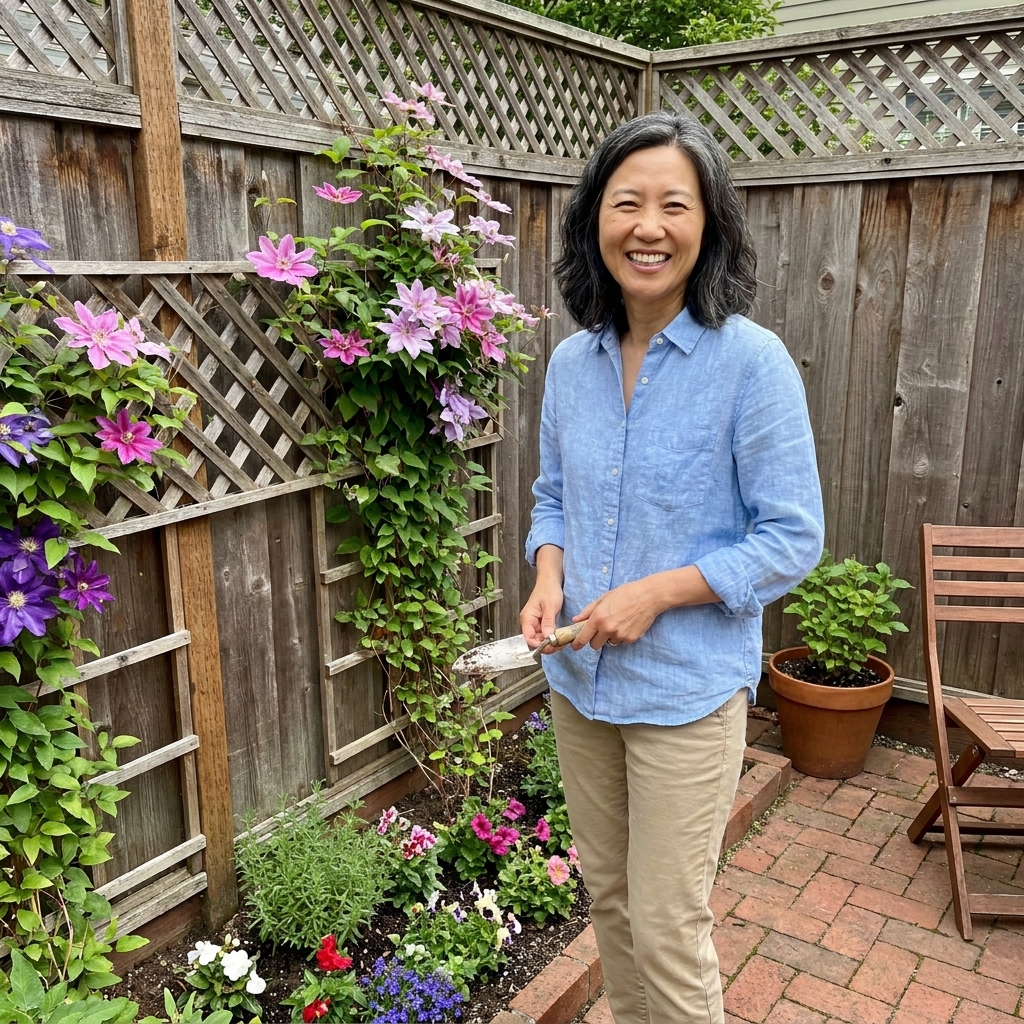
Start with a quick vertical site check
Before you buy a trellis (or bravely start drilling into your fence), take five minutes to look at three things: sun, wind, and watering.
- Sun: Vertical planters dry faster, especially in full sun and breezy spots. Climbing plants can also shade their own root zone as they fill in. If you get 6+ hours, you can grow most sun-loving flowering vines. For grapes and wisteria, closer to 7 to 8 hours usually means better fruit and blooms. With 3 to 5 hours, focus on shade-tolerant climbers like climbing hydrangea (flowers best with some sun) or shade-friendly clematis types such as C. alpina and C. macropetala. When in doubt, check the cultivar tag.
- Wind: Tiny yards can turn into wind tunnels between buildings. Anything tall needs anchoring. If your trellis sways now, it will wobble even more when it is loaded with wet foliage.
- Water access: Wall pockets and containers need more frequent watering than in-ground beds. If your hose cannot reach, consider a watering can routine you will actually do.
Vertical structures that work in small spaces
The best vertical gardens are sturdy, shallow in footprint, and easy to maintain. Here are the options I reach for most often in tiny yards.
1) Slim trellises in a narrow bed
If you have even an 8–12-inch strip of soil along a fence, you can grow a surprising amount. A trellis gives you height without stealing walking space.
- Best for: Clematis, jasmine, annual sweet peas, black-eyed Susan vine, climbing roses (with the right support).
- Material tip: Metal panels and cattle panels last a long time and look clean. Wood looks warm but will weather faster in damp climates.
- Root comfort: Add a 2–3-inch layer of compost or leaf mold along the base. Climbers are happier when their roots stay cool and evenly moist.
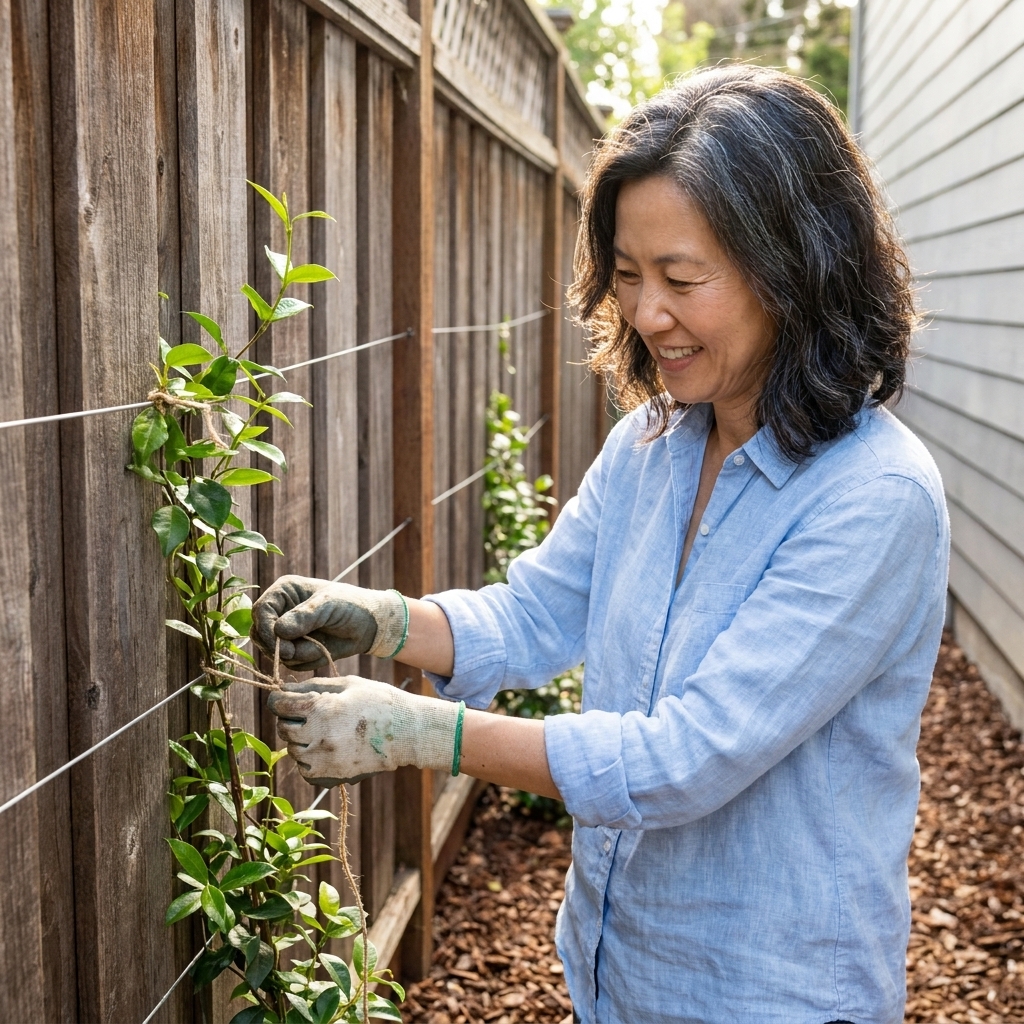
2) Fence-mounted wire grid for flat training
Not every vertical garden has to be deep. A simple wire grid or tensioned wires mounted slightly off the fence create a climbing surface that stays close to the wall.
- Best for: Espalier-style fruit (in suitable climates), star jasmine, some roses, and lightweight annual vines.
- Spacing: Aim for 2 to 4 inches off the surface when possible, especially on wood, so air can move and moisture does not linger. If you are tight on space, even a smaller stand-off is better than letting stems press flat against the fence.
- Bonus: Flat training makes pruning easier because you can see what you are doing.
3) Freestanding obelisks and teepees in pots
No soil bed? No problem. A large container with an obelisk trellis or bamboo teepee can become a vertical bouquet in a single square foot.
- Best for: Nasturtiums, morning glories, sweet peas, mandevilla in warm seasons, compact clematis in a big pot.
- Container rule of thumb: For annual vines, aim for 10 to 15 gallons. For perennial climbers like clematis and climbing roses, 15 to 25+ gallons is more realistic and far more forgiving.
- Stability: Choose heavier pots (or add weight in the bottom) so a summer storm does not topple your tower of flowers.
4) Wall planters and pocket systems
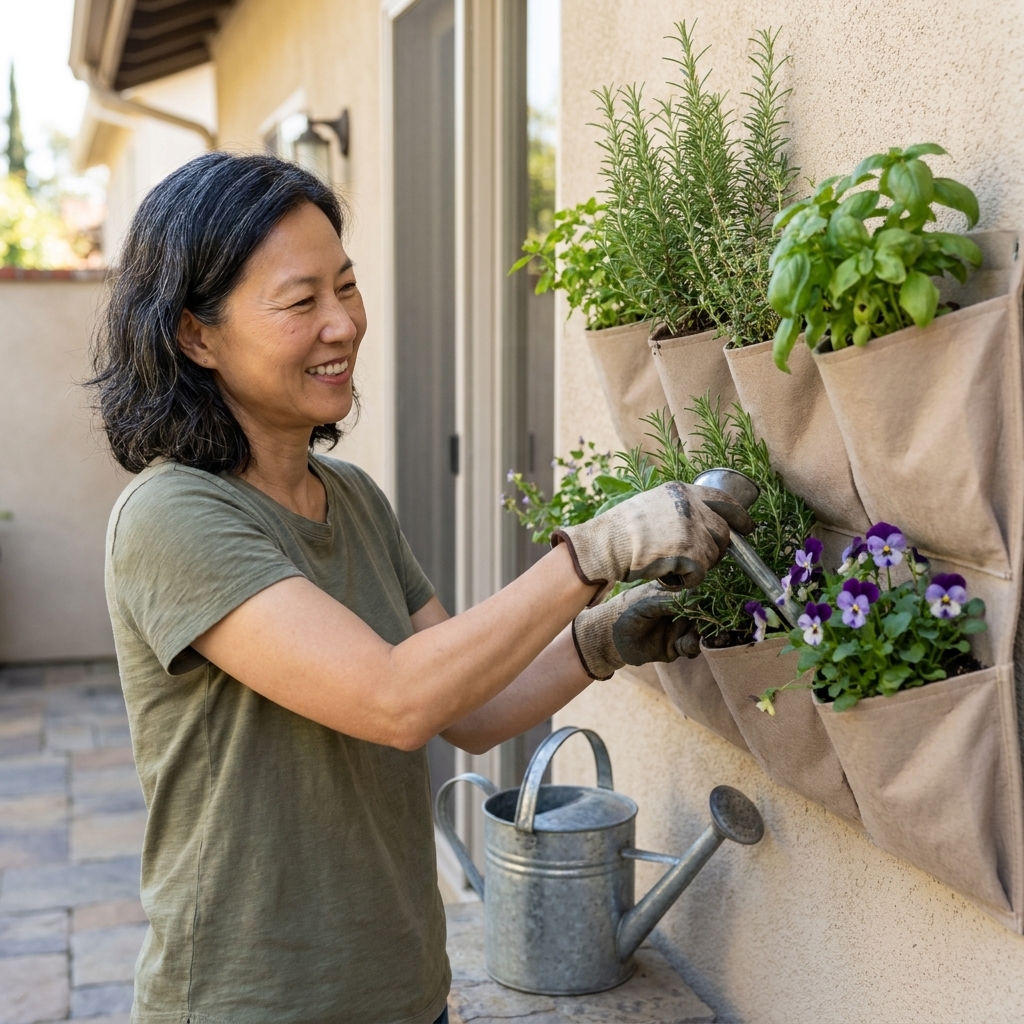
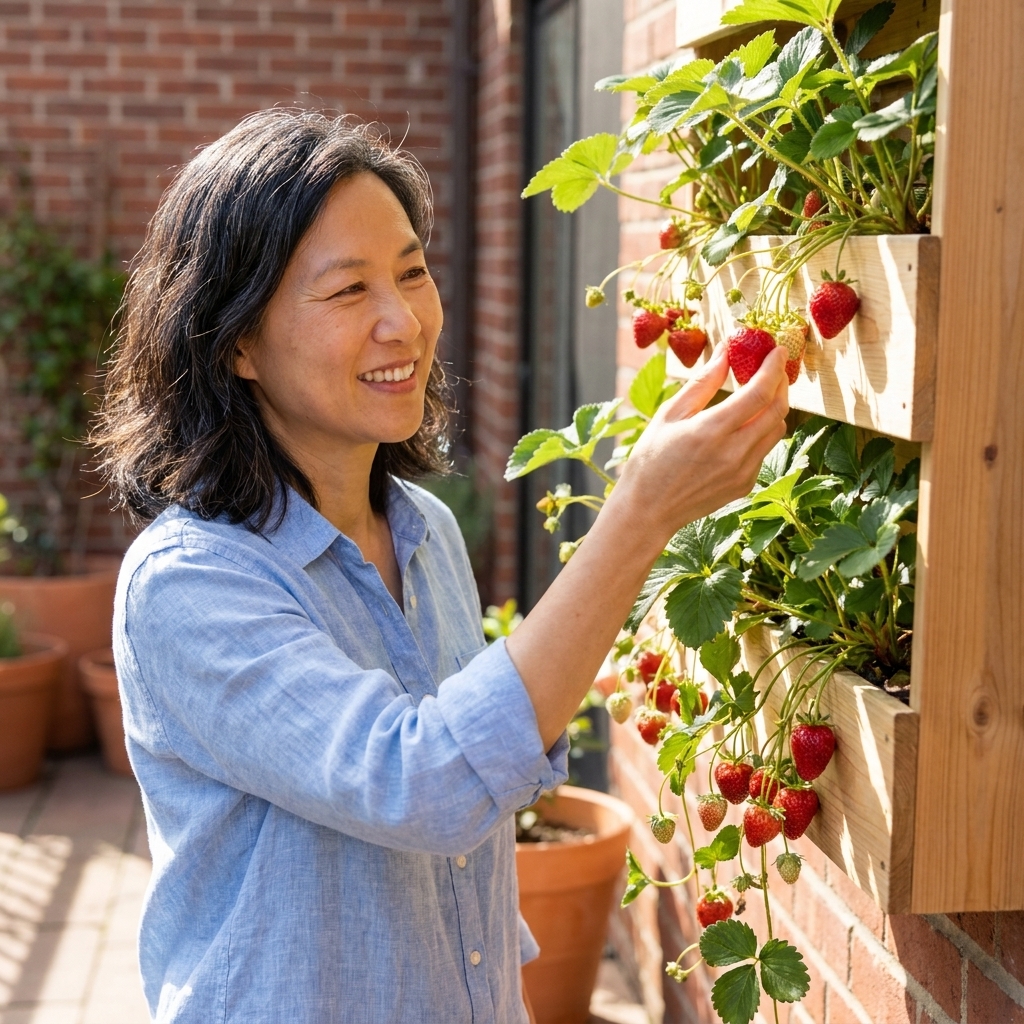
Wall pockets are fantastic for herbs, strawberries, and small trailing flowers. They are less ideal for thirsty plants if you cannot keep up with watering.
- Best for: Strawberries, thyme, oregano, sedum, small pansies, trailing lobelia.
- Watering reality: In hot weather, pockets may need water daily. Self-watering wall units help, or place them where you can reach easily.
- Drip tray note: If you are mounting to siding or a balcony wall, plan for drainage so you do not create water stains.
5) Pergolas, arches, and green ceilings
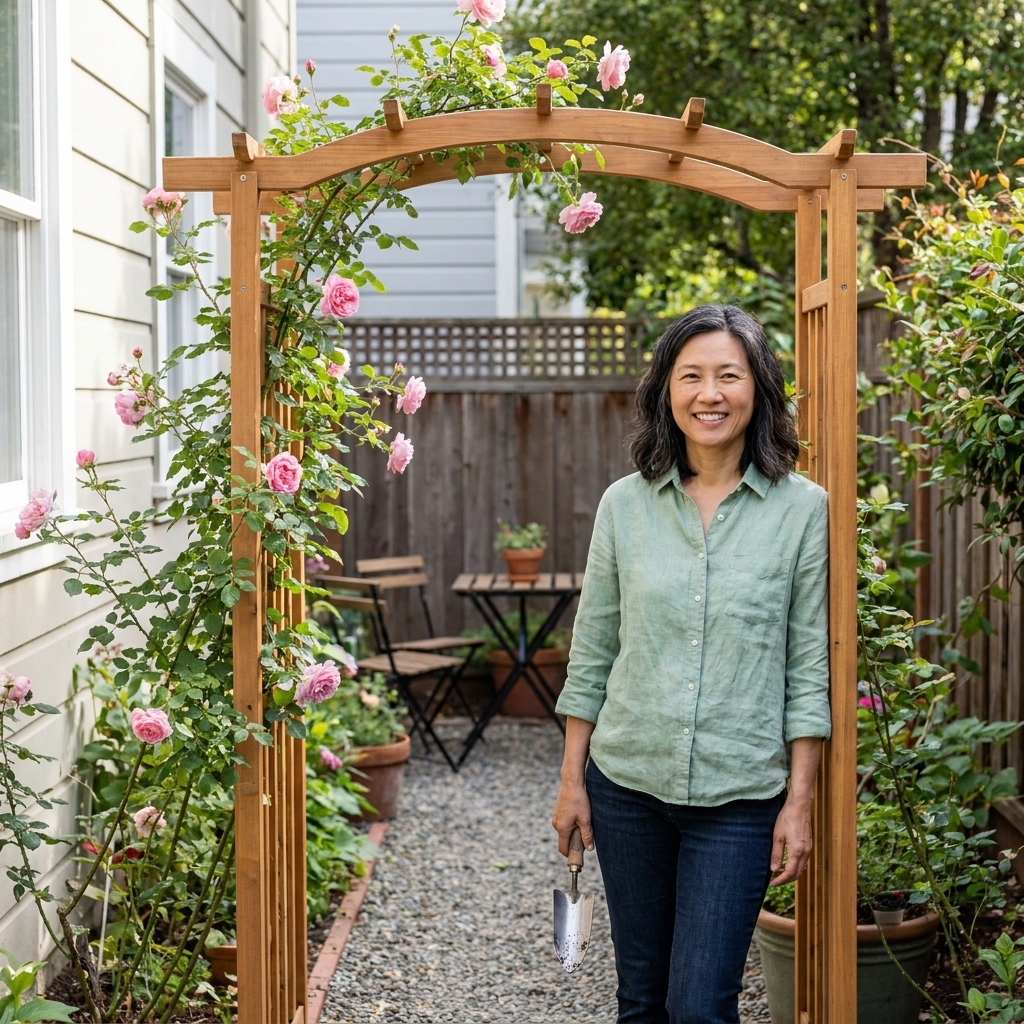
If your tiny yard feels like it lacks privacy, an overhead element can make it feel like an outdoor room. A small arch at an entry path or a narrow pergola over a seating spot can support vines without crowding the ground plane.
- Best for: Grapes (with strong sun), hardy kiwi (very vigorous), wisteria (only with very strong structures), climbing roses.
- Maintenance warning: Overhead vines need consistent pruning. They are magical, but they are not “set it and forget it.”
6) Attachment and renter-friendly options
A quick safety note, because nobody needs a trellis tearing down a fence panel in a windstorm.
- Where to attach: When possible, anchor to posts or framing, not just thin fence boards. On masonry, use proper masonry anchors.
- If you rent: Freestanding trellises in large pots, outdoor shelving, or a narrow plant stand can give you height without drilling. If you do mount anything, follow your lease and avoid shared or HOA-controlled surfaces.
- Property lines: Train vines to stay on your side. It is easier to guide growth early than negotiate it later.
7) Pick a structure that matches how the plant climbs
This small detail saves a lot of frustration.
- Twiners (like jasmine and wisteria) want something they can wrap around, such as wires, poles, or a trellis with slender pieces.
- Tendrils (like sweet peas and some grapes) love thin supports they can grab.
- Clingers (like ivy and climbing hydrangea) can attach directly to surfaces with rootlets. That is why they can also damage paint, mortar, and wood. If you like the look, give them a stand-off trellis so they cling to that, not your wall.
Design ideas that make a tiny yard feel bigger
Vertical gardening is not just about fitting more plants. It is also about making the space feel calmer and more intentional.
Create one strong focal point
Pick one wall or fence section and make it the star. One lush trellis usually looks better than five scattered mini projects. Your eyes land on a destination, and the yard feels designed instead of crammed.
Layer heights
This is my favorite small-space formula:
- At the base: low, tidy plants like creeping thyme, sweet alyssum, or dwarf lavender (depending on sun).
- Mid-level: a few clumping perennials like salvia, coral bells, or compact ornamental grasses.
- Upward: one climber on a trellis or wires.
Use vertical to hide what you dislike
Trash cans, utility boxes, a plain fence, an awkward corner. A trellis panel with a vine is a soft screen that looks intentional and invites pollinators to the party.
Go see-through
Lattice, wire grids, and open trellis designs feel lighter than solid walls of planters. In tiny yards, airy is your friend.
Best vines and climbers for small yards
Not all climbers behave the same. Some are polite roommates, others are the kind who “temporarily” move in and then take over your closet.
Well-behaved picks for beginners
- Clematis: Gorgeous flowers, lots of varieties. Give it cool roots and sun on top. Learn your pruning group before cutting, and choose a cultivar suited to your light.
- Sweet peas (annual): Fragrant, fast, and easy. Great on obelisks and small trellises.
- Black-eyed Susan vine (annual in many climates): Cheery blooms, manageable growth.
- Star jasmine: Evergreen in mild areas, fragrant, trains beautifully on wires. Slow at first, then it fills in.
Best for containers
- Nasturtiums: Trail or climb, edible flowers, and often more forgiving than many bloomers. In small pots they can still wilt quickly in heat, so size up if you can.
- Mandevilla: Big tropical blooms, great in pots. Bring indoors or treat as seasonal depending on your climate, and give it a roomy container for best performance.
- Compact climbing roses: Choose a variety bred for smaller spaces and commit to tying canes in place.
Use with caution in tiny yards
- Wisteria: Stunning, but heavy and aggressive. It needs a seriously strong support and regular pruning. In some regions, certain types are considered invasive, so check local guidance before planting.
- English ivy: Easy coverage, but can damage surfaces and spread. Many gardeners regret it later, and it is invasive in many areas. Look up regional recommendations if you are tempted.
- Mint as a trailer: It will escape. Always pot it, and keep it contained with a saucer or tray because it can root anywhere it finds damp soil below.
How to build a vertical garden without regret
Vertical gardening should make your life easier, not create a weekly ladder-and-zip-ties situation.
Anchor first, plant second
Wet vines get heavy. Add wind, and you have a sail. Use appropriate hardware for your surface, and when in doubt, choose a lighter plant or a sturdier support.
Plan for access
Leave enough room to:
- water at the base
- reach behind stems to tie growth
- prune without doing yoga in a thorn patch
Think about runoff
Wall planters drip. If you are mounting near doors, outdoor outlets, or a neighbor’s fence line, direct water thoughtfully. A narrow gravel strip at the base can help prevent splashing and mud.
Soil matters more in small spaces
In tiny yards, we tend to plant in small volumes of soil, and small soil dries out and runs out of nutrients faster. Mix in compost, top-dress once or twice a year, and mulch. Your vertical garden will look twice as good with half the stress.
Simple vertical garden recipes
If you just want something you can set up in a weekend, here are a few proven combos.
The fence flower curtain
- Structure: wire grid mounted to a fence
- Plants: clematis plus a low border of catmint or creeping thyme
- Why it works: airy, easy to prune, and the base plants shade the soil
The patio privacy pot
- Structure: 15 to 25-gallon pot + tall obelisk
- Plants: star jasmine (mild climates) or annual sweet peas
- Why it works: makes a soft screen near seating without building anything permanent
The edible snack wall
- Structure: wall pockets or stacked planters
- Plants: strawberries, thyme, chives, and trailing nasturtiums
- Why it works: harvest is easy, and you get flowers plus food
Keeping vertical gardens low-maintenance
The goal is lush, not fussy. A few habits make vertical plantings far more forgiving.
- Mulch the base: Even a 1–2-inch layer reduces watering needs and keeps roots cooler.
- Tie stems early: Young vines are flexible. Waiting until they are long and woody is how gardeners end up whispering apologies to snapped stems.
- Feed lightly, regularly: In containers, use a gentle organic fertilizer or compost top-dressing. Overfeeding can mean lots of leaves and fewer flowers.
- Prune with purpose: Remove dead or tangled growth, then step back and look. Tiny yards benefit from clean lines.
If you are new to this, pick one vertical project and let it succeed before adding a second. Every seasoned gardener has a compost bin full of “I got excited” experiments.
FAQ
Will a vertical garden damage my fence or wall?
It can, especially if you let clinging vines attach directly to delicate surfaces or if moisture gets trapped. Use a trellis, wire system, or stand-off mounts that keep growth slightly away from the wall and allow airflow. Keep an eye on drainage from wall planters.
What is the easiest vertical garden for a beginner?
A large pot with a simple obelisk trellis and an annual vine like sweet peas or nasturtiums is hard to beat. It is contained, movable, and forgiving.
How do I water wall planters without making a mess?
Water slowly, in two passes, so the soil can absorb it. If possible, add a narrow gravel strip or a catch tray below. If you are mounting on a finished surface, choose planters designed to control runoff.
Can I do vertical gardening in part shade?
Yes. Look for shade-tolerant climbers like climbing hydrangea (slow to establish but beautiful, and it flowers best with some light) and clematis types that handle lower light, such as alpina and macropetala varieties. You can also lean into foliage with ferns and trailing plants in wall planters.
Should I worry about invasiveness?
It depends on your region. English ivy and some wisteria are invasive in many areas, and vigorous plants can spread beyond small yards quickly. A quick check with a local extension office or regional invasive plant list can save you years of cleanup.
Your tiny yard has more room than you think
Vertical gardening is not about cramming plants into every inch. It is about using height to create softness, privacy, and a sense of abundance. Start with one sturdy support, choose a plant that matches your light and your patience level, and let it climb. The transformation can feel almost unfair.