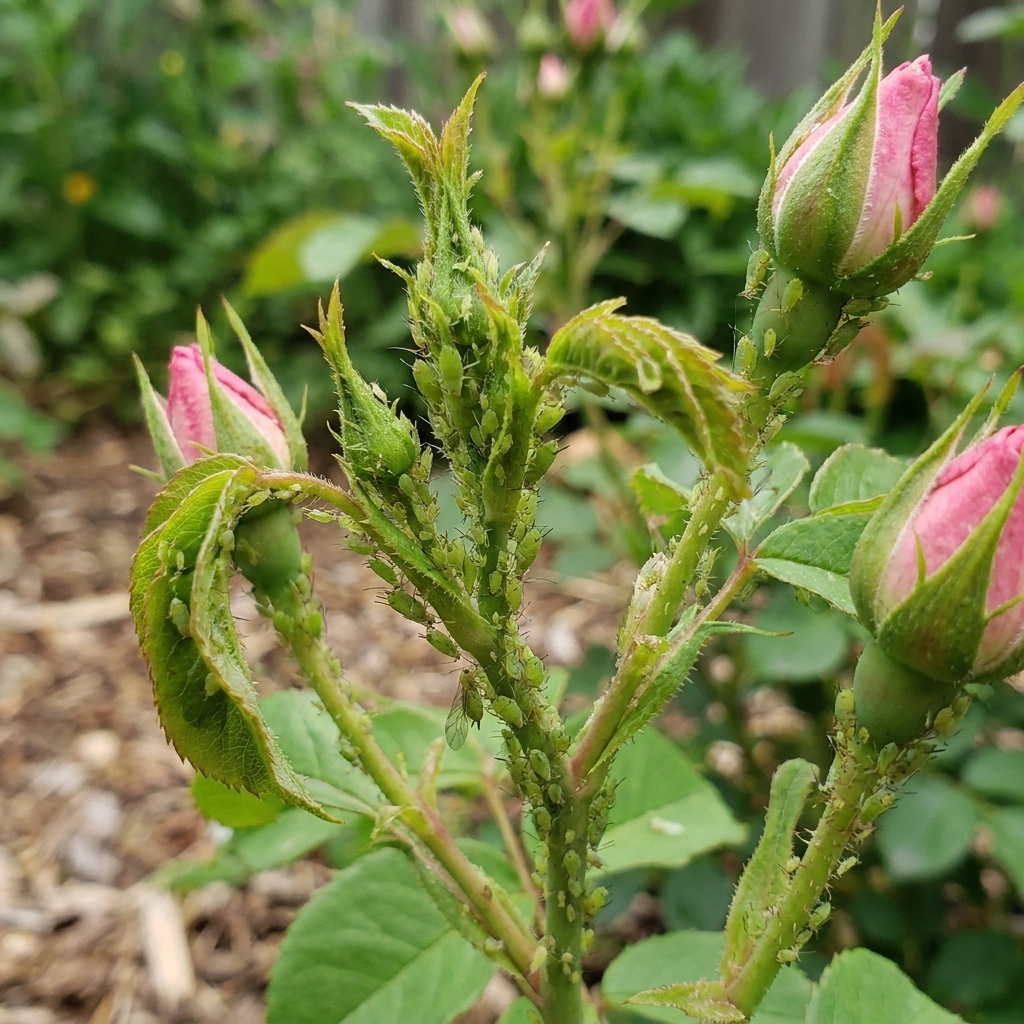
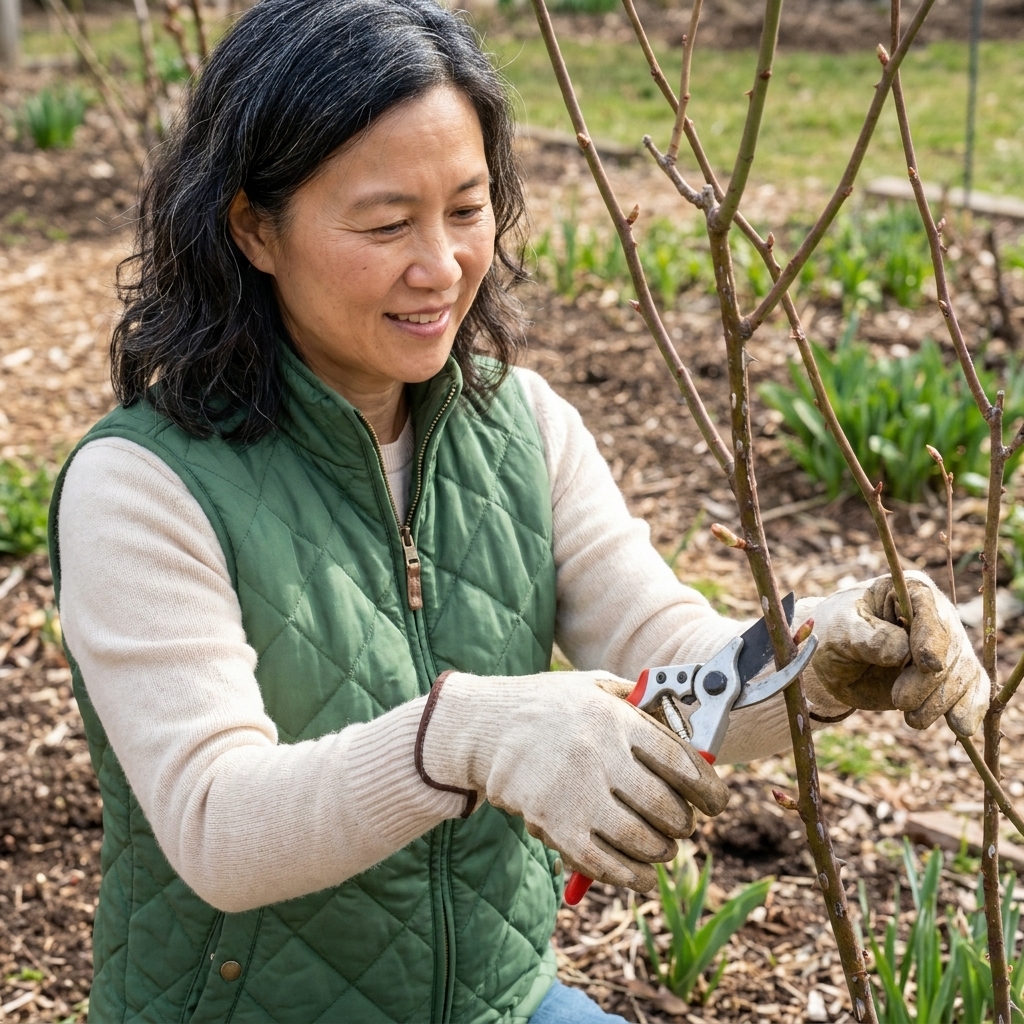
Roses have a talent for looking glamorous while quietly hosting a buffet for every sap-sucker and leaf-chewer in the neighborhood. The good news is you can stack the deck in your favor without reaching for harsh sprays. Companion planting works in two simple ways: some plants can make it harder for pests to zero in on roses (think scent confusion), and others act like a neon sign for predators and parasitoids that do the dirty work for you.
Below are my favorite rose companions for easing pressure from aphids, Japanese beetles, thrips, spider mites, and a handful of other usual suspects. Pick a few that fit your climate and your style, and your roses will look like you hired a tiny security team.
How companion planting helps roses
Companion plants do not create a force field around your rose bush, and that is actually a relief. What they do is shift the balance so pests have a harder time finding roses, reproducing on roses, or thriving around roses. Results vary by region, weather, and how intense your pest pressure is, so think of companions as a steady advantage, not instant pest control.
- Scent masking and confusion: Aromatic herbs can make it tougher for pests to zero in on rose foliage and buds.
- Habitat for beneficial insects: Tiny flowers and pollen sources keep ladybugs, lacewings, hoverflies, and parasitic wasps nearby, right when aphids show up.
- Trap and decoy effects: A few plants can lure pests away from roses, buying you time to hand-pick or knock pests off with water.
- Better soil and airflow: The right neighbors cover bare soil, reduce splash, and can even improve structure and microbial life when you keep things mulched and watered well.
Think of companion planting as part of an organic “rose routine” along with good pruning, consistent watering at the soil line, and not overdoing nitrogen.
Best herbs near roses
If you only add a few companion plants, make them herbs. Many are tough, drought-tolerant once established, and they smell wonderful when you brush past them with a hose or a wheelbarrow.
Lavender (Lavandula)
Helps with: may reduce aphid pressure and general pest interest by scent confusion. Also does: attracts pollinators and beneficial insects.
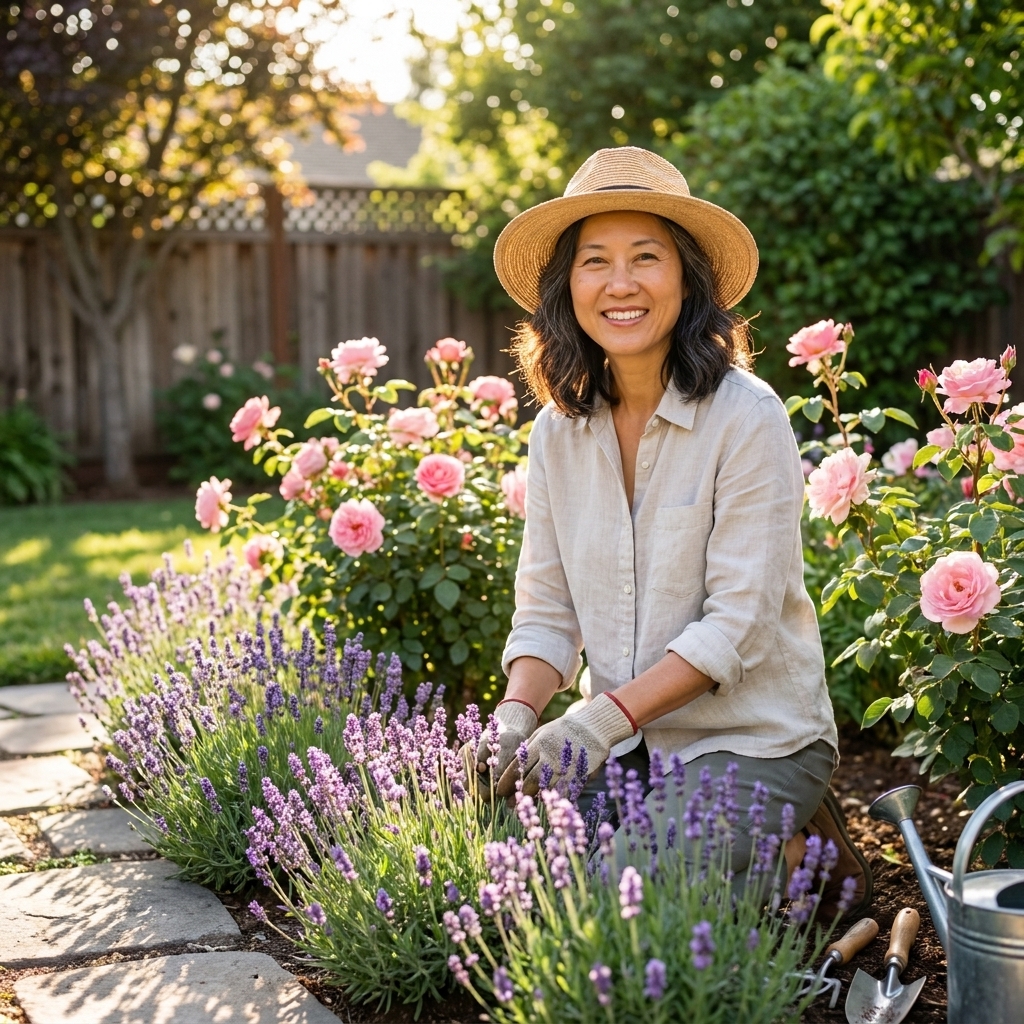
Lavender is one of my top picks for edging a rose bed. It keeps the front of the border tidy and brings in a steady stream of helpful insects.
- Placement: In front of roses or along the sunny edge of the bed.
- Spacing: Give lavender room and air, typically 18 to 30 inches depending on variety.
- Climate note: Lavender loves sharp drainage and good airflow. In humid summers or heavy clay, mound it slightly, plant it in a grittier pocket, and avoid crowding.
Chives and garlic chives (Allium schoenoprasum, Allium tuberosum)
Helps with: can help confuse some soft-bodied pests like aphids; may discourage some browsing in some gardens. Also does: produces adorable blooms that beneficial insects love.
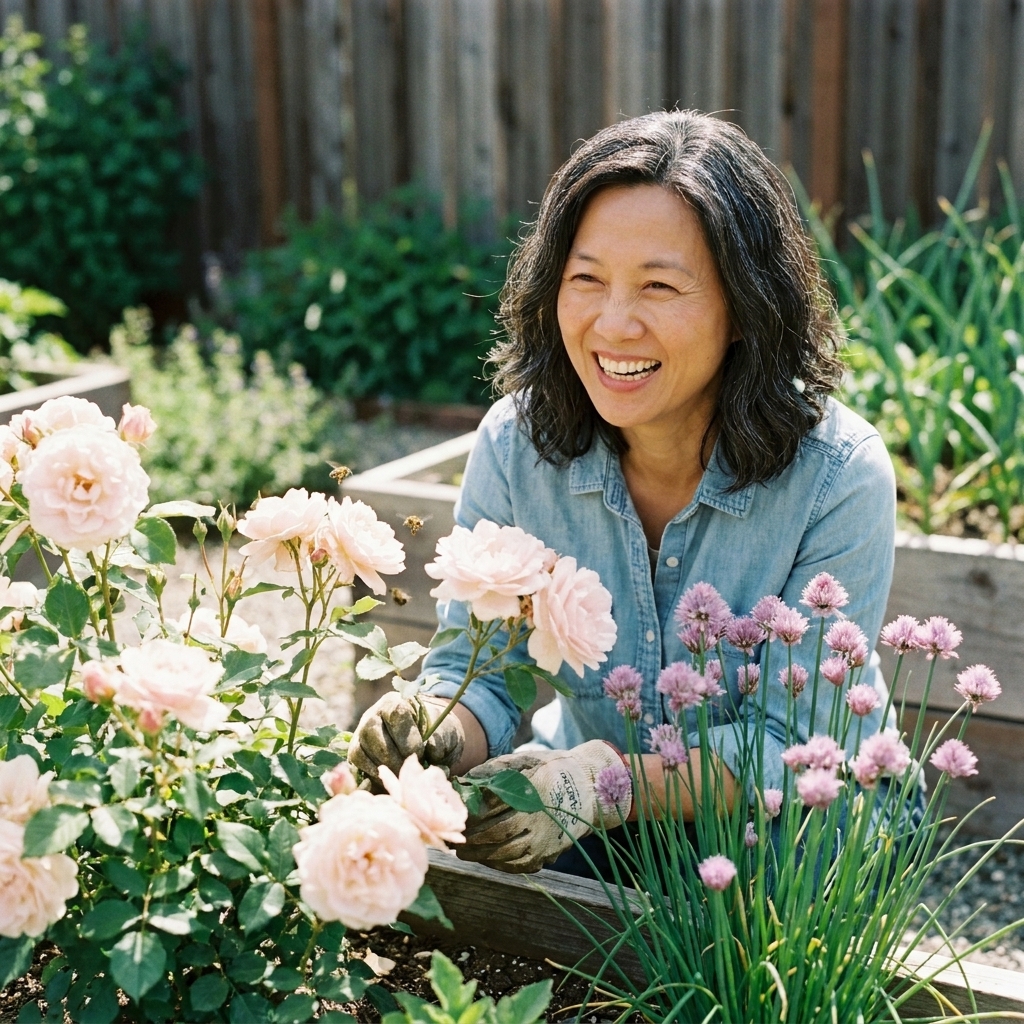
I tuck chives near the drip line of roses, then let them flower. When the blooms fade, I snip them back and toss the trimmings into the compost.
- Placement: Small clumps around the base, but not packed against the canes.
- Spacing: 6 to 10 inches apart for clumps.
Catmint (Nepeta)
Helps with: supports beneficial insects that clean up aphids and other small pests; can lower overall pest pressure in mixed plantings. Also does: suppresses weeds as a soft, low mound.
Catmint is one of those “plant it once, enjoy it for years” companions. It fills in gaps, spills over edges, and blooms for ages with a quick shear.
- Placement: Front of the bed or between rose shrubs with breathing room.
- Spacing: 18 to 24 inches for most varieties.
Thyme (Thymus)
Helps with: general pest confusion; attracts beneficial insects when it flowers. Also does: living mulch in sunny spots.
Thyme is my pick for gardeners who want something low, tidy, and low-water. It will not compete much with rose roots if you keep it at the edges.
- Placement: Edge of beds, path borders, or in rockier pockets.
- Spacing: 8 to 12 inches.
Sage (Salvia officinalis) and ornamental salvias
Helps with: supports beneficial insect activity; may reduce pest pressure as part of a diverse planting. Also does: adds structure and long bloom in ornamental forms.
Kitchen sage is great if you have the sun and drainage for it. Flowering salvias are even better for beneficials because they bloom like they are trying to win a prize.
- Placement: Near roses but not crowding, especially in humid climates where airflow matters.
- Spacing: 18 to 30 inches depending on variety.
Best flowers for rose pests
Flowers do two jobs around roses: they draw in predators and parasitoids that eat pests, and they diversify the planting so an outbreak does not take over as easily.
Marigolds (Tagetes)
Helps with: may distract some pests and support beneficial insects; effects vary by species and how you use them. Also does: fast color all season.
Marigolds are not magic, but they are helpful, cheerful, and simple. I like the single-flowered types because they are easier for beneficial insects to access.
- Placement: Dotted along the front edge or in gaps between shrubs.
- Spacing: 8 to 12 inches for compact types.
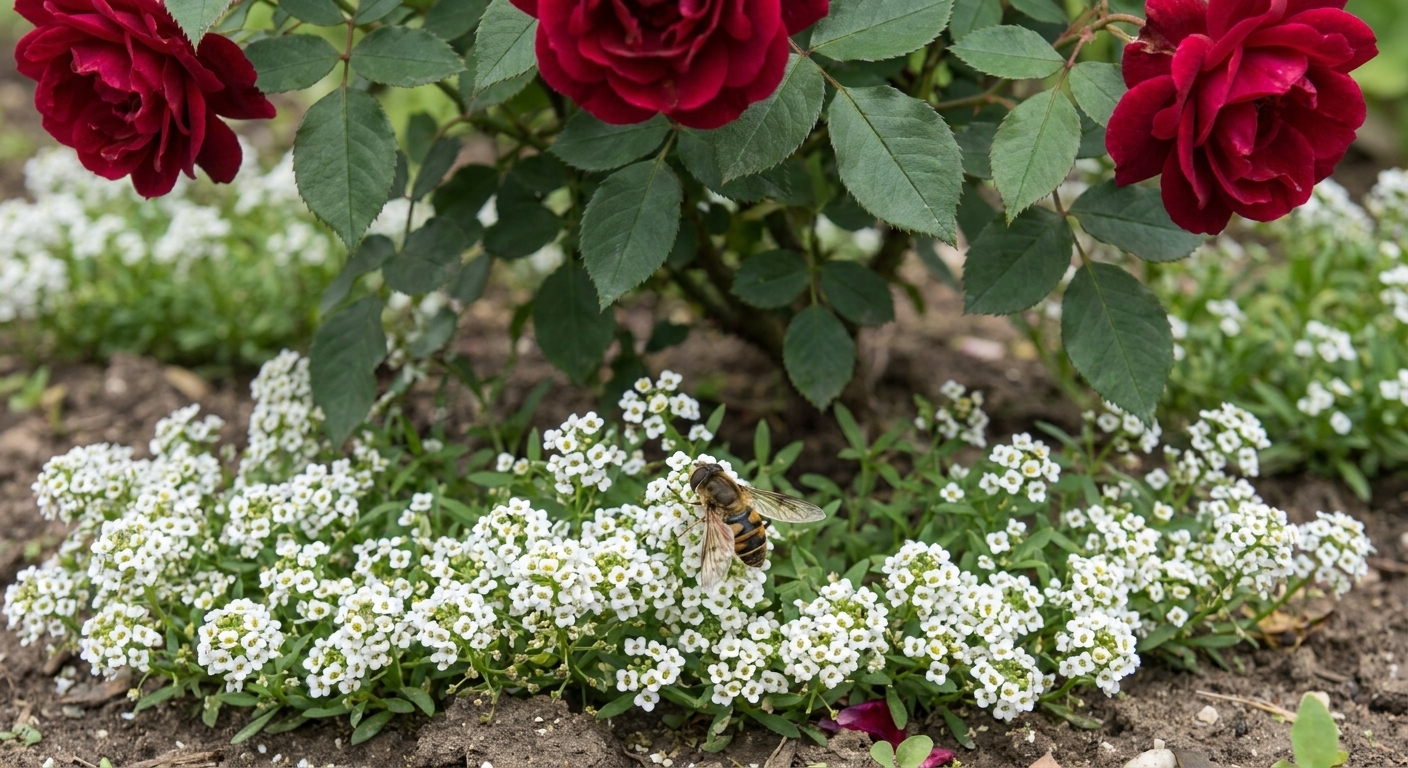
Sweet alyssum (Lobularia maritima)
Helps with: aphids and thrips (indirectly by attracting hoverflies and other beneficial insects).
If you have ever leaned close to alyssum, you know why it is a garden staple. It blooms in little clouds and brings in hoverflies whose larvae are enthusiastic aphid-eaters.
- Placement: Front of bed as a living mulch, or along a path next to roses.
- Spacing: 6 to 10 inches.
- Climate note: Alyssum can stall in extreme heat. In hot-summer areas, give it a little afternoon shade or treat it as a spring and fall helper.
Calendula (Calendula officinalis)
Helps with: aphids (often functions as a “take the hit first” plant), general beneficial insect support.
Calendula is a sweet little workhorse. If aphids show up on it, you can pinch off the worst stems and toss them, aphids and all, into the trash.
- Placement: In sunny openings near roses.
- Spacing: 10 to 12 inches.
Nasturtiums (Tropaeolum majus)
Helps with: aphids and some beetles (often as a trap or decoy plant).
Nasturtiums can lure aphids away from roses, especially in early summer. The trick is being willing to sacrifice a little nasturtium foliage and prune it hard when it gets loaded. If you let it sit there hosting a giant aphid party, you can accidentally boost the population, so keep an eye on it.
- Placement: Near, but not tangled into, the rose base. Trailing types are great spilling out of a bed edge.
- Spacing: 10 to 12 inches, more for vigorous trailers.
Yarrow (Achillea millefolium)
Helps with: aphids and caterpillars (indirectly by hosting parasitic wasps and other predatory insects).
Yarrow’s flat flower clusters are like landing pads for beneficial insects. It is also drought-tough, which plays nicely with established roses.
- Placement: Mid to back of the border, where it can grow upright without shading roses.
- Spacing: 18 to 24 inches.
- Climate note: Yarrow can spread in happy soil. If you want it to behave, deadhead, divide clumps, and skip extra fertilizer.
Cosmos and zinnias
Helps with: aphids and small soft-bodied pests (indirectly by attracting lacewings, ladybugs, and hoverflies).
These are my “easy button” annuals for beginners. They fill space quickly and keep beneficial insects visiting your rose bed all season.
- Placement: Behind shorter roses or in adjacent beds so airflow around rose foliage stays open.
- Spacing: 12 to 18 inches depending on variety.
Companions by pest
If you are dealing with one main troublemaker, choose companions that either make it harder for that pest to settle in, or support the predators and parasitoids that keep it in check.
Aphids
- Best companions: sweet alyssum, yarrow, dill (if allowed to flower), fennel (only if you can give it space), chives, catmint, calendula.
- Why they help: hoverflies, lacewings, and ladybugs need pollen and nectar as adults. These plants keep them nearby so their larvae can clean up aphids.
Japanese beetles and other chewing beetles
- Best companions: focus on beneficial-attracting flowers (alyssum, yarrow, calendula) plus a diverse border of herbs for scent confusion (lavender, thyme, alliums). Consider nasturtiums as a decoy if you are willing to manage it.
- Reality check: Japanese beetles are stubborn, and no companion planting list can guarantee control. Hand-picking in the cool morning helps immediately. Managing turf grubs can help over time, but adults can also fly in from elsewhere.
- Extra tip: Avoid Japanese beetle traps near roses. They often attract more beetles to your yard than they catch.
Thrips (bud and petal damage)
- Best companions: sweet alyssum, yarrow, calendula, cosmos.
- Why they help: these plants support predatory insects and create a more resilient mini ecosystem around your roses.
Spider mites (hot, dry stress pests)
- Best companions: low-growing plants that shade soil like thyme or alyssum, plus flowering companions that support beneficials.
- Biggest help: consistent watering and reducing drought stress. Mites love stressed plants.
- Gentle tactic: if conditions are dusty and dry, rinse foliage occasionally, especially the undersides of leaves, to knock mites and dust back.
Where to plant companions
The most common companion-planting mistake I see is crowding. Roses need sun and airflow. Your companion plants should support that, not smother it.
Use the drip line donut
Picture a donut around each rose: keep the inner ring near the canes open for airflow and mulching, then plant companions around the outer ring near the drip line.
- Inner ring: about 6 inches of open space around the base (more for large shrub roses). Mulch here.
- Outer ring: plant low companions like thyme, chives, alyssum, or dwarf marigolds.
Keep tall plants back
Keep taller companions like yarrow, cosmos, and salvias to the side or behind roses, unless the rose variety is tall and airy.
Plant in small clumps
Beneficial insects find plantings more easily when you repeat them. Aim for clumps of 3 to 7 of the same companion rather than one lonely plant of everything.
Combos that look good
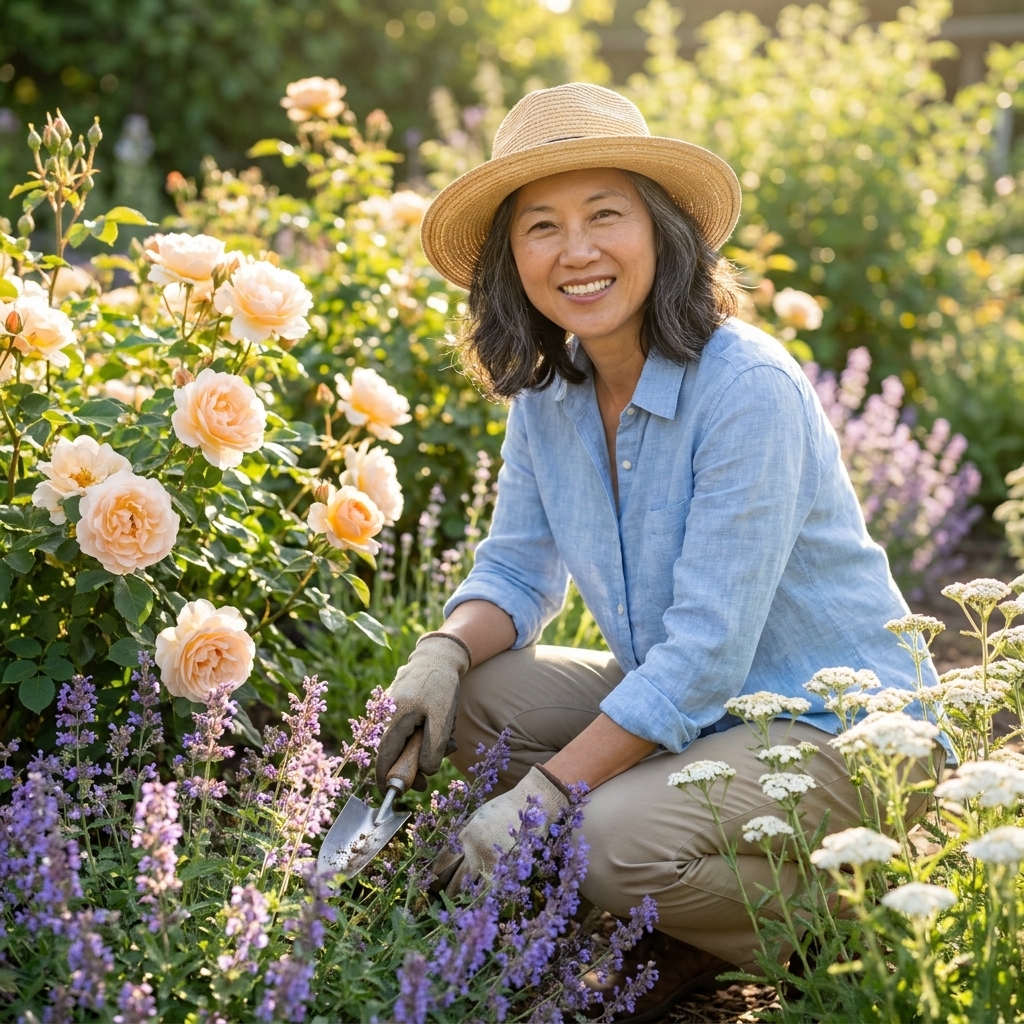
If decision fatigue hits, borrow one of these proven combos. They are pretty, practical, and beginner-friendly.
Cottage border
- Roses + lavender + catmint + sweet alyssum
- Best for: sunny beds with decent drainage
Hot-color patrol
- Roses + calendula + marigolds + nasturtiums
- Best for: fast results in new beds and containers (monitor nasturtiums so they do not become an aphid nursery)
Perennial backbone
- Roses + yarrow + ornamental salvia + thyme edging
- Best for: low-maintenance beds once established
What not to plant near roses
Most problems come down to competition, crowding, or creating a damp, stagnant pocket that diseases love. A few “no thanks” neighbors:
- Anything that will engulf the rose base: aggressive groundcovers and sprawling vines that reduce airflow can increase black spot and mildew pressure.
- Very thirsty plants right at the roots: roses like consistent moisture, but they do not enjoy battling a water-hogging neighbor at the same soil depth.
- Plants that require frequent overhead watering: wet rose foliage invites disease. Keep irrigation targeted at the soil line.
- Mint in the ground: mint is wonderful for scent, but it spreads like it has a secret mission. If you want it, grow it in a pot near the rose bed, not in it.
Low-spray rose IPM
Companion planting shines brightest when you pair it with a few simple habits that keep the good bugs safe and the pests uncomfortable.
- Avoid broad-spectrum insecticides: they can wipe out the predators you are trying to recruit.
- Manage ants: ants “farm” aphids. If you deal with aphids every year, look for ant trails and address them so predators can do their job.
- Clean up the mess: rake up fallen petals and diseased leaves, and prune out badly infested tips. Less hiding space, fewer repeat problems.
- Water at the base: keep foliage as dry as you can, especially in humid climates.
Beginner checklist
- Start with healthy soil: top-dress with compost in spring and mulch 2 to 3 inches deep (keep mulch off the canes).
- Avoid nitrogen overload: too much high-nitrogen fertilizer can push soft growth that aphids adore.
- Water wisely: deep, consistent watering at the base beats frequent sprinkles.
- Scout weekly: flip leaves, check buds, and act early. A strong hose spray knocks aphids off fast.
- Let some companions flower: those blooms are what keep beneficial insects living in your yard, not just visiting.
If you want the most “hands-off” approach, plant a ring of lavender or catmint around your rose bed, then tuck in sweet alyssum at the edges. You will get fragrance, color, fewer pest flare-ups, and a garden that feels alive in the best way.
FAQ
Can I plant herbs right at the base of my rose bush?
It is better to leave a small open space around the canes and plant herbs around the drip line. This improves airflow and makes it easier to mulch, water, and spot pests early.
Do companion plants replace spraying entirely?
Sometimes, but not always. Companion planting is strongest as prevention. If you get a sudden outbreak, use gentle interventions first like blasting aphids off with water, hand-picking beetles, or pruning heavily infested tips.
What are the easiest companions for container roses?
Try chives, thyme, sweet alyssum, and compact marigolds. They stay manageable and do not overwhelm a pot the way larger perennials can.
Will companion plants increase rose disease?
Only if they crowd the rose and reduce airflow. Keep companions low and give your rose room to breathe, especially in humid climates.