If your backyard feels a little too “on display,” a row of fast-growing flowering shrubs can be the gentlest fix. You get privacy, seasonal color, and a garden that feels like it has walls made of leaves and blossoms instead of lumber.
I will be honest: “fast-growing” always comes with tradeoffs. The speediest shrubs often need a little more pruning, a little more water their first year, and a little more patience with their awkward teenage phase. But if you choose well and plant smart, you can get a surprisingly quick screen that also looks like a garden feature, not a hedge of green bricks.
One more truth up front: most “fast” privacy shrubs give you noticeable screening in 2 to 3 seasons, with a fuller wall in 4 to 5. You can speed that along with good spacing, consistent water the first year, and pruning that fits the shrub.
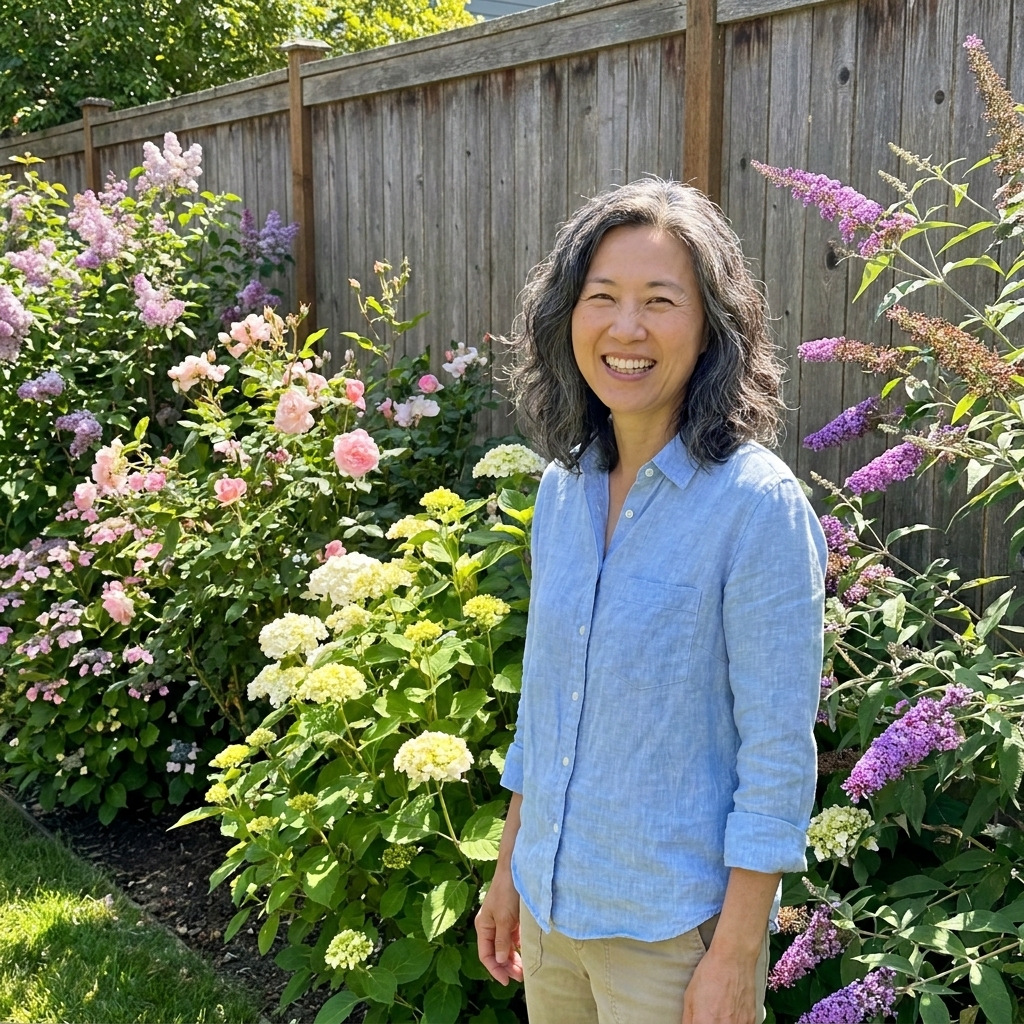
Below are 10 of my favorite fast growers for quick privacy and color, plus simple steps to help them fill in faster.
Before you pick: 6 quick checks
- Sunlight: Many big bloomers want 6 or more hours of sun. A few below bloom just fine in part shade (I call those out).
- Cold hardiness: Check your USDA zone and the specific cultivar. “Fast” turns into “slow” if winter knocks a shrub back every year.
- Mature size: Choose based on the height and width you actually want. A shrub that matures at 12 feet will not be happy being forced into 6 feet.
- Evergreen vs. deciduous: Deciduous shrubs can still give privacy in summer when you use the space most, but they will open up in winter.
- Pruning style: Some shrubs bloom on old wood (prune after flowering). Others bloom on new wood (prune in late winter or early spring).
- Local rules and invasives: A few common hedge shrubs are restricted or invasive in some states and provinces. A quick check with your local extension office can save you years of regret.
If you are unsure, pick one evergreen for structure, then mix in one or two flowering deciduous shrubs for seasonal “wow.” Your future self will thank you.
Top 10 fast flowering shrubs
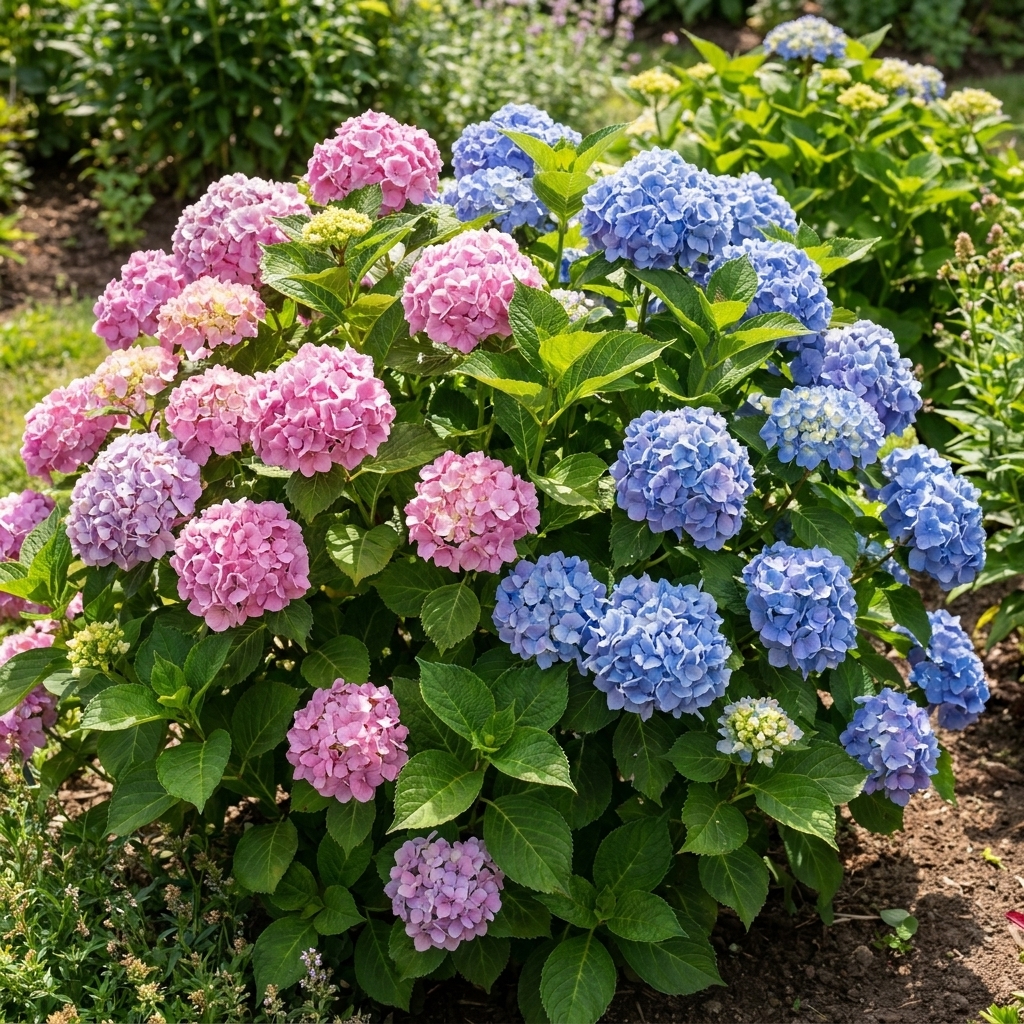
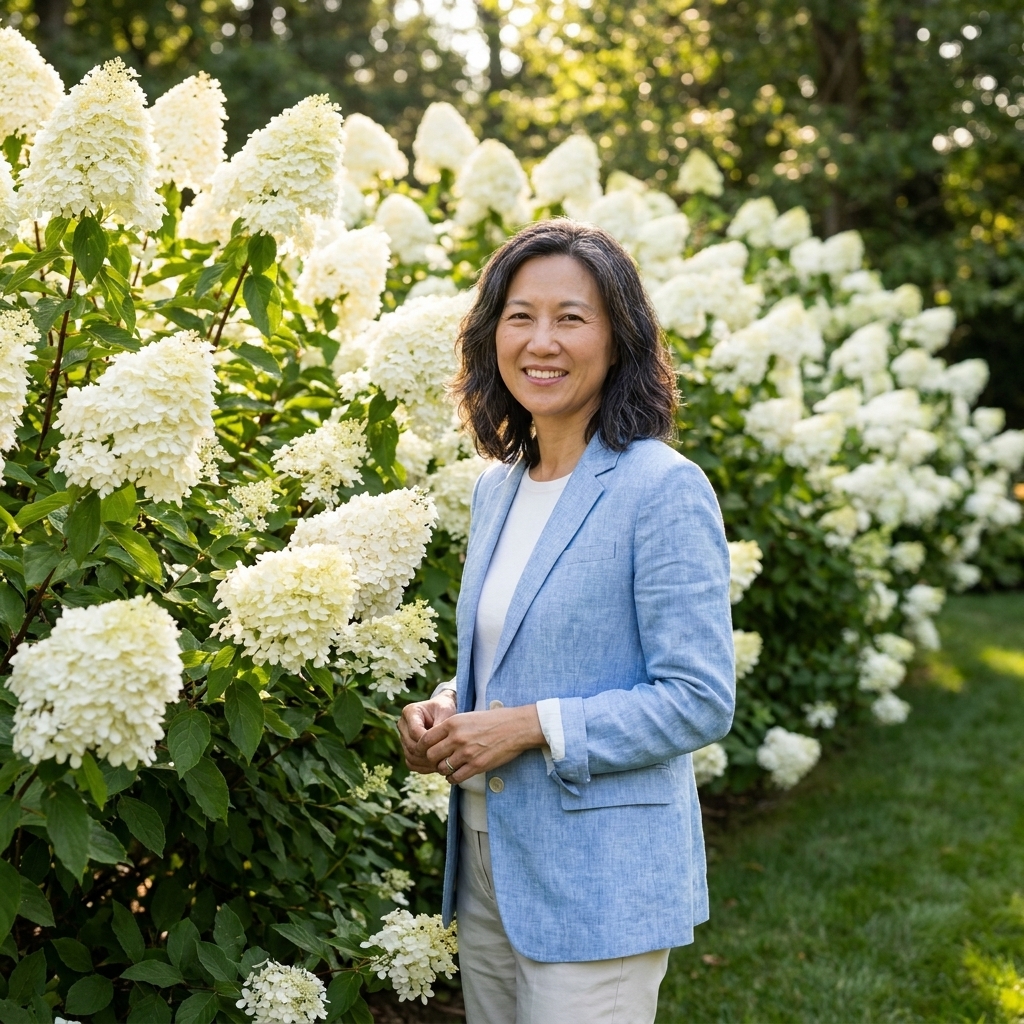
1) Panicle hydrangea (Hydrangea paniculata)
Why it works: Big cone-shaped blooms, sturdy growth, and it flowers reliably even in colder climates. Many cultivars grow quickly once established and can reach 6 to 10 feet tall, depending on selection.
- Typical USDA zones: 3 to 8 (cultivar dependent)
- Growth rate: Fast to moderate-fast
- Height x width: Commonly 6 to 10 ft x 6 to 8 ft
- Sun: Full sun to part shade (one of the better bloomers for part shade)
- Bloom time: Mid-summer into fall
- Notes: Blooms on new wood, so you can prune in late winter without sacrificing flowers.
2) Rose of Sharon (Hibiscus syriacus)
Why it works: This is one of the quickest ways to get a tall, blooming screen. It flowers late when many shrubs are done, and it handles heat well once established.
- Typical USDA zones: 5 to 9 (often root-hardy into colder areas, but dieback can happen in harsh winters)
- Growth rate: Fast
- Height x width: 8 to 12 ft x 4 to 6 ft
- Sun: Full sun to part shade
- Bloom time: Mid-summer through early fall
- Notes: Some varieties self-seed. If that is not your style, look for sterile cultivars.
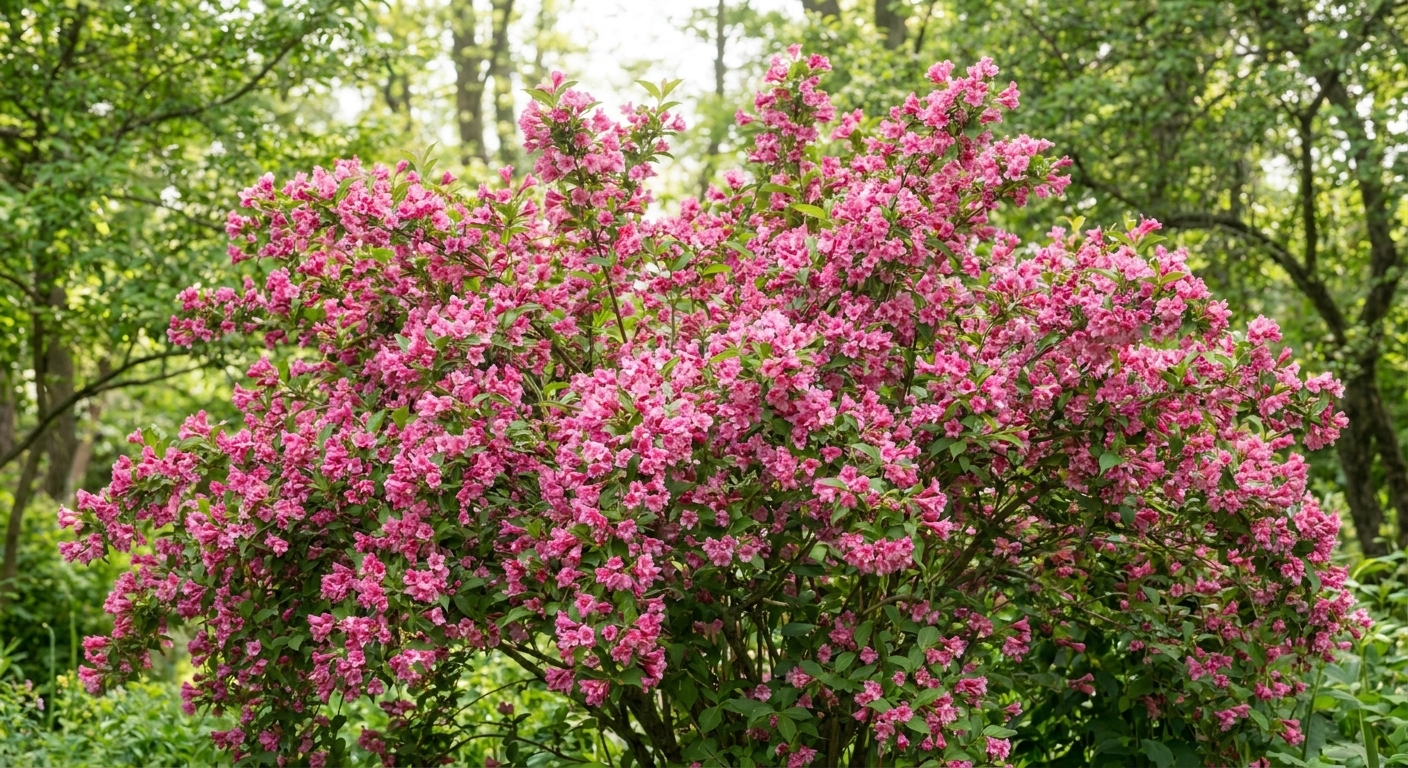
3) Weigela (Weigela florida)
Why it works: Weigela is beginner-friendly, fast, and loaded with spring blooms. In many areas, hummingbirds visit it heavily when it is in flower, and plenty of other pollinators do, too. Many varieties also rebloom lightly through summer, especially with deadheading.
- Typical USDA zones: 4 to 8 (cultivar dependent)
- Growth rate: Fast
- Height x width: Often 4 to 6 ft x 4 to 6 ft (some larger)
- Sun: Full sun for best flowering
- Bloom time: Spring, with possible repeats
- Notes: Prune right after flowering since it blooms on old wood.
4) Forsythia (Forsythia spp.)
Why it works: If you want fast privacy and that electric yellow early-spring show, forsythia is a classic. It grows quickly and can be used as a loose, arching screen.
- Typical USDA zones: 5 to 8 (some types colder, some warmer)
- Growth rate: Fast
- Height x width: 6 to 10 ft x 6 to 10 ft
- Sun: Full sun to part shade
- Bloom time: Early spring
- Notes: Prune after flowering. If you shear it like a box hedge, you will reduce next year’s blooms.
5) Viburnum (fast growers include V. odoratissimum, V. dentatum, V. × pragense)
Why it works: Many viburnums are privacy superstars, with dense branching and clusters of flowers that turn into berries for birds. The exact “best” viburnum depends on your climate, but there are fast options in many regions.
- Typical USDA zones: Varies widely by species. As examples: V. dentatum is commonly hardy in colder zones, while V. odoratissimum is a warm-climate choice.
- Growth rate: Moderate-fast to fast (species dependent)
- Height x width: Commonly 8 to 12 ft x 6 to 10 ft
- Sun: Full sun to part shade (many viburnums tolerate part shade better than you would expect)
- Bloom time: Spring (some also fragrant)
- Notes: Great choice if you want a natural-looking screen rather than a formal hedge.
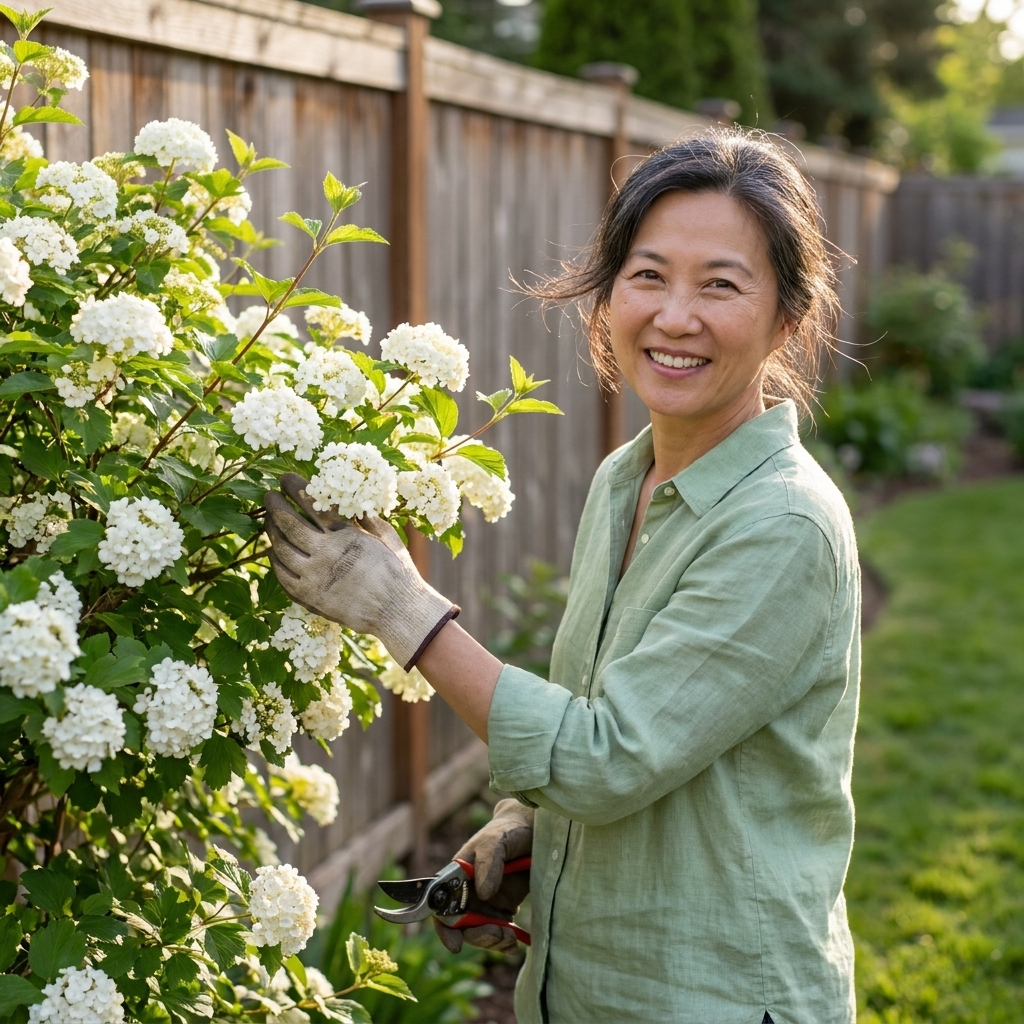
6) Privet (Ligustrum spp., select with care)
Why it works: Privet is famously fast and dense, and many types produce small white flower clusters. It makes a strong screen quickly, especially in full sun.
- Typical USDA zones: Varies by species and cultivar (some are cold-hardy, others are more southern)
- Growth rate: Fast
- Height x width: 8 to 15 ft x 6 to 10 ft (varies widely)
- Sun: Full sun to part shade
- Bloom time: Late spring to summer
- Notes: Some privets are invasive in parts of North America. Before you plant, check local invasive species lists and choose non-invasive or better-behaved alternatives where needed.
7) Mock orange (Philadelphus spp.)
Why it works: For fragrance, mock orange is hard to beat. It can grow quickly into a tall, old-fashioned screen with a short but memorable bloom window.
- Typical USDA zones: 4 to 8 (varies by species)
- Growth rate: Moderate-fast
- Height x width: Commonly 6 to 10 ft x 6 to 8 ft
- Sun: Full sun to part shade
- Bloom time: Late spring to early summer
- Notes: Prune after flowering. If you prune in winter, you may prune off blooms.

8) Butterfly bush (Buddleja davidii and hybrids)
Why it works: Fast growth and a long bloom season make butterfly bush a quick way to create a flowering focal point that also adds some screening. In warm, sunny weather, pollinators typically show up quickly.
- Typical USDA zones: 5 to 9 (top growth may die back in colder zones and regrow)
- Growth rate: Fast
- Height x width: 5 to 10 ft x 4 to 8 ft (varies)
- Sun: Full sun
- Bloom time: Summer into fall
- Notes: In some regions it can be invasive. Consider sterile cultivars or regionally recommended alternatives if it is problematic where you live.
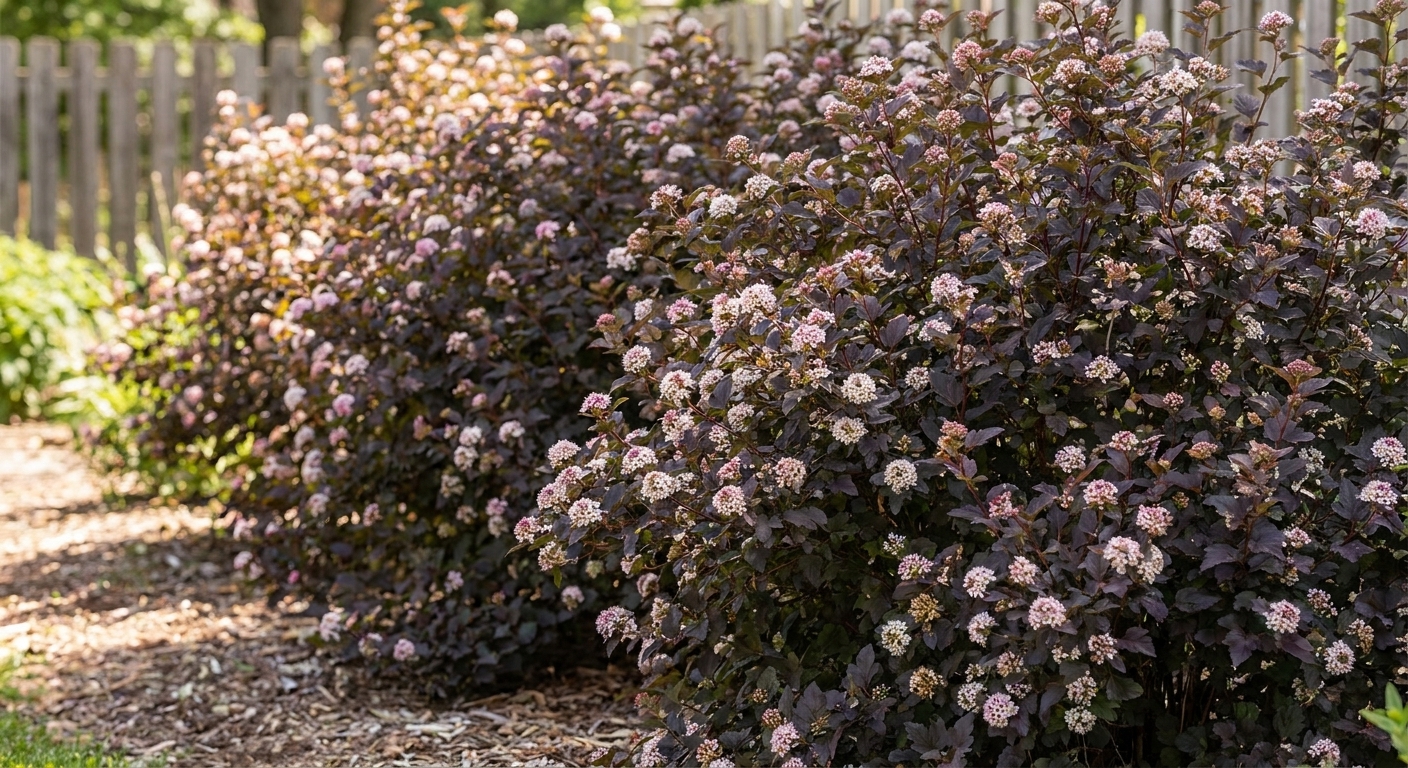
9) Ninebark (Physocarpus opulifolius)
Why it works: Ninebark is tough, adaptable, and surprisingly pretty. It has spring flower clusters, interesting peeling bark, and many cultivars with dark or golden foliage that read like “garden design” even in a simple hedge line. In much of the U.S., it is also a native shrub, which is a nice bonus if you are trying to plant with ecology in mind.
- Typical USDA zones: 2 to 7 (cultivar dependent)
- Growth rate: Fast
- Height x width: 5 to 10 ft x 5 to 10 ft
- Sun: Full sun to part shade
- Bloom time: Late spring
- Notes: Great for low-input landscapes once established.
10) Lilac (Syringa vulgaris and hardy hybrids)
Why it works: Lilacs are not always the very fastest, but in the right conditions they gain size steadily and form a substantial screen over time, with iconic spring blooms and fragrance.
- Typical USDA zones: 3 to 7 (most common lilacs prefer real winter cold for best bloom)
- Growth rate: Moderate to moderate-fast
- Height x width: 8 to 15 ft x 6 to 12 ft (varies)
- Sun: Full sun
- Bloom time: Spring
- Notes: Airflow matters. Lilacs hate staying damp and crowded, so do not pack them too tightly.
Planting for faster privacy
Space for mature width
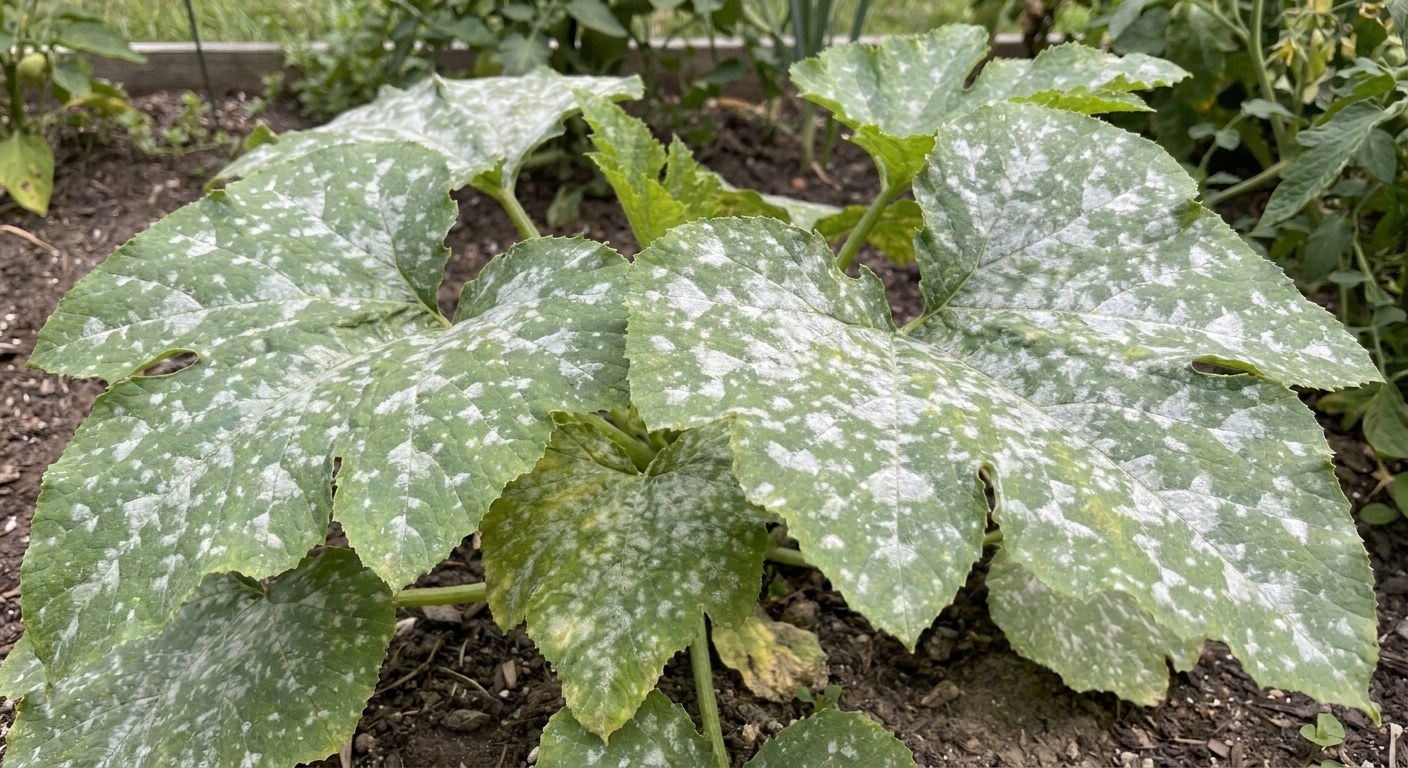
The fastest way to a thick screen is not cramming shrubs shoulder-to-shoulder. Crowding leads to bare lower stems, mildew, and constant pruning. A common guideline for an informal screen is to space shrubs at about 60 to 80 percent of their mature width. For example, if a shrub matures around 6 feet wide, aim for 4 to 5 feet between plants (center to center).
If you are building a formal, tightly clipped hedge, spacing can be closer, but understand what you are signing up for: more pruning, more disease pressure, and the occasional need to thin or remove plants later.
Dig wide, not deep
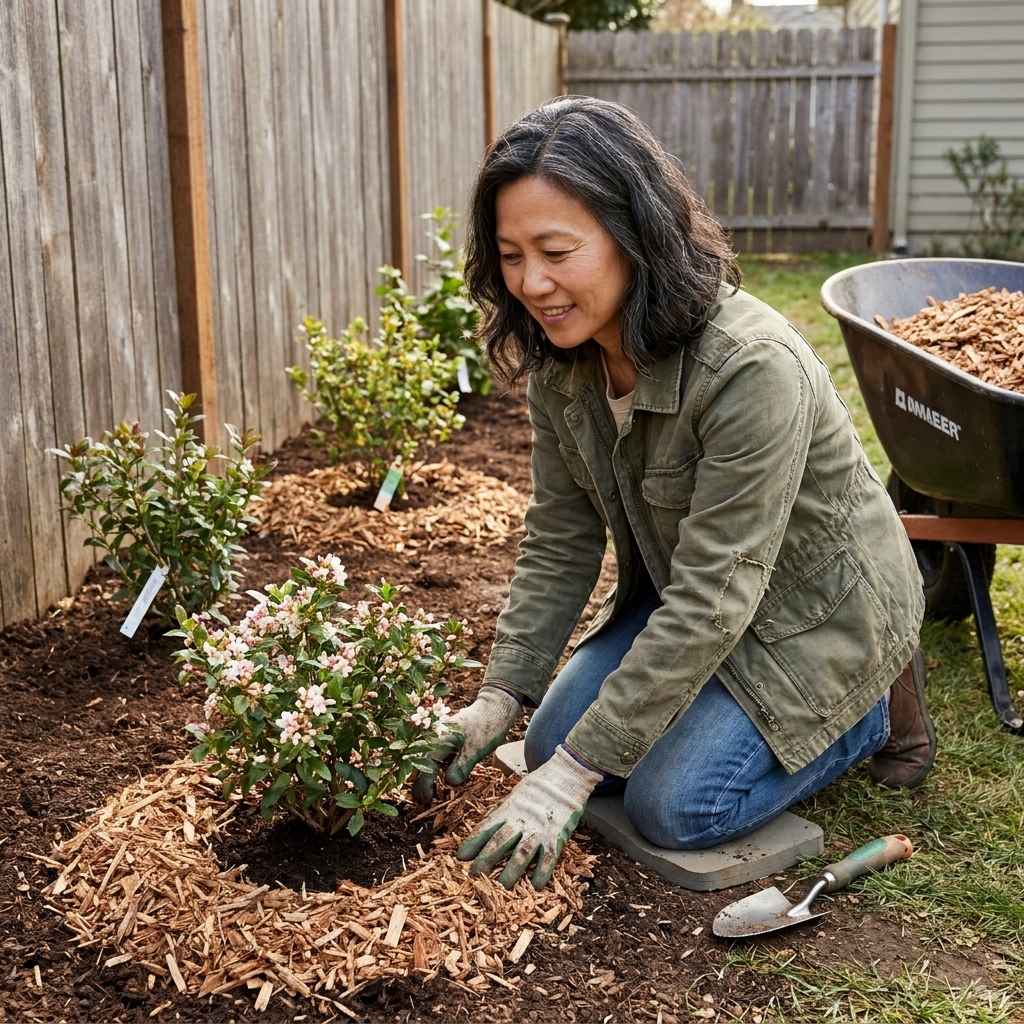
Dig your hole about 2 to 3 times as wide as the root ball, but no deeper than the root ball height. Shrubs planted too deep often struggle, and struggling shrubs do not fill in fast.
Mulch like you mean it
Lay 2 to 3 inches of mulch over the root zone, keeping it a few inches away from the stems. Mulch holds moisture and moderates temperature swings, which means faster establishment and better growth.
Water the first year
Fast growth comes from steady moisture while roots expand. For most new shrubs, plan on a deep watering once or twice a week during dry spells in the first growing season. In sandy soil, you may need more frequent watering. In heavy clay, water more slowly and less often.
Fertilizer is optional, compost is a strong first move
If your soil is reasonably healthy, skip high-nitrogen quick fixes that can create floppy growth. Instead, top-dress with compost in spring. It is not strictly required in every yard, but it is one of the most reliable ways to improve establishment without pushing weird, weak growth. If you do fertilize, choose a slow-release, balanced option and follow the label.
Design tips
- Stagger your planting: A gentle zigzag (two offset rows) makes a thicker screen with fewer plants, if you have the depth.
- Mix bloom times: Combine spring bloomers (forsythia, lilac, mock orange) with summer bloomers (panicle hydrangea, rose of Sharon) so the hedge is not done by June.
- Add an evergreen backbone: If winter privacy matters, tuck in a region-appropriate evergreen and let flowering shrubs do the seasonal fireworks. Good companions include arborvitae, hollies, wax myrtle, cherry laurel, and some evergreen viburnums, depending on your zone and what is well-behaved locally.
- Repeat a couple of plants: Repetition looks calmer than a one-of-everything collection. Pick 2 to 3 main shrubs and repeat them in a rhythm.
Common mistakes
- Planting too close to fences: Leave room to walk behind or at least reach in for pruning. Most shrubs want airflow and light on all sides.
- Shearing everything into a square: Many flowering shrubs bloom best with selective thinning cuts, not haircut-style shearing.
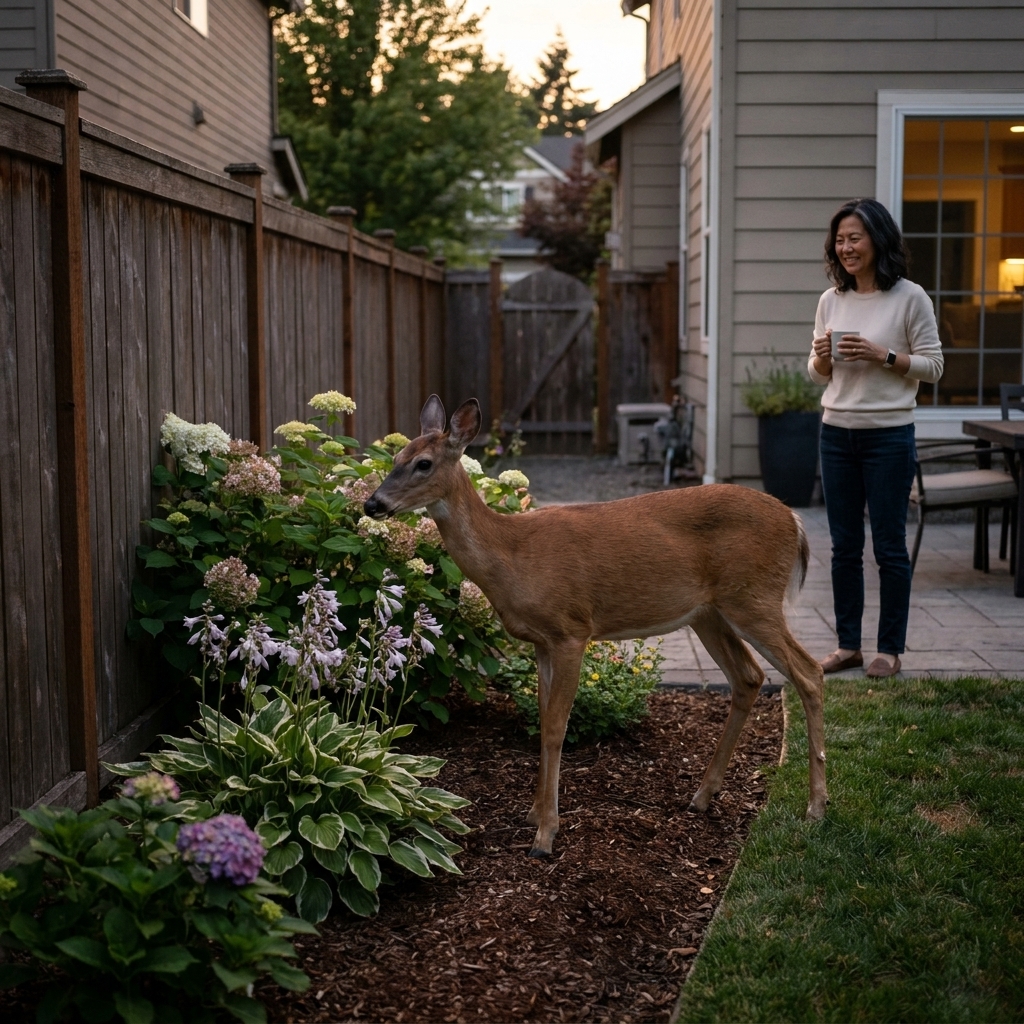
- Ignoring deer pressure: If deer treat your yard like a salad bar, even “fast growers” become “perpetual stumps.” Use fencing, repellents, or choose deer-resistant options common to your area.
- Skipping the first-season watering plan: New shrubs that dry out repeatedly will sit still instead of growing.
- Forgetting the local invasive list: This is not just a butterfly bush and privet issue. Depending on where you live, other common ornamentals can self-seed or spread more than you want. Check your state or provincial invasive plant council list before you buy.
FAQ
What is the fastest flowering shrub for privacy?
In many yards, rose of Sharon, forsythia, and certain viburnums are among the quickest to gain height and mass. The “fastest” one for you depends on sun, soil moisture, and winter hardiness. When in doubt, confirm the cultivar’s zone range and ask a local nursery what performs well in your area.
How far apart should I plant shrubs for a privacy hedge?
A practical starting point for an informal screen is 60 to 80 percent of the shrub’s mature width (measured center-to-center). This fills in relatively quickly without creating a crowded, disease-prone wall. For a formal clipped hedge, spacing may be tighter, with the expectation of more pruning and occasional thinning.
Will fast-growing shrubs damage foundations or fences?
Most shrubs will not “attack” a foundation like tree roots sometimes can, but planting too close causes constant maintenance and can trap moisture against structures. As a general rule, plant at least half the mature width away from fences and hardscapes, and give extra clearance where you need access for painting, repairs, drainage, or airflow. If a spot stays soggy, fix drainage first. Shrubs rarely thrive with wet feet, and foundations rarely enjoy it either.
When should I prune flowering shrubs in a privacy screen?
It depends on what kind you planted. Shrubs that bloom on old wood (like lilac, mock orange, many weigelas, forsythia) are best pruned right after flowering. Shrubs that bloom on new wood (like panicle hydrangea and typically rose of Sharon) can be pruned in late winter or early spring.
A calm path to privacy
If you want the simplest plan with a high success rate, choose two shrub types from the list above, repeat them down the line, and give them proper spacing, mulch, and consistent water the first year. That combination is how “fast-growing” turns into “actually filled in.”
And if a couple of plants look a little awkward their first season, welcome to gardening. Every great hedge starts as a row of hopeful sticks, plus a gardener who keeps showing up.