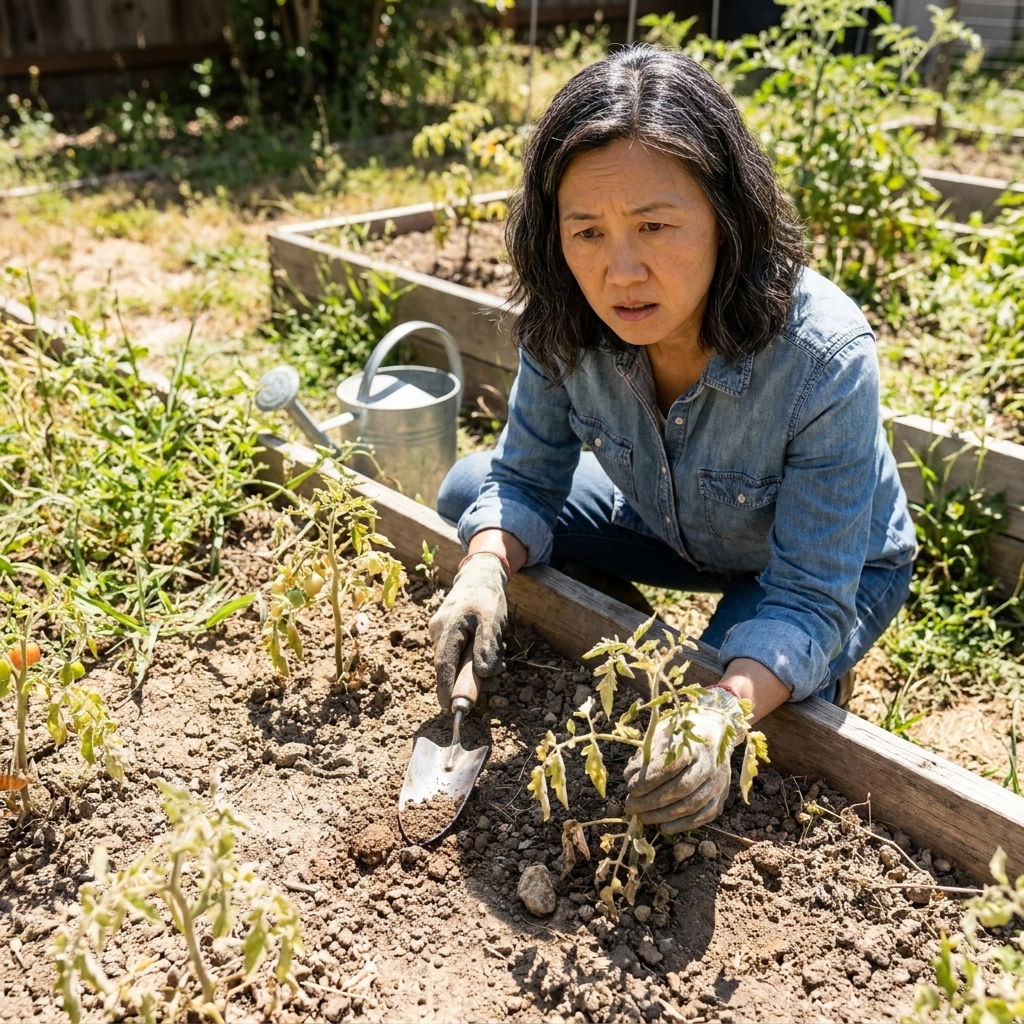
If you have ever planted something with care, watered faithfully, and still watched it sulk, the problem may not be your effort. It might be that your plant is trying to garden alone.
In healthy, undisturbed ground, roots often do not work solo. They team up with mycorrhizal fungi, microscopic soil partners that trade hard-to-reach nutrients and water for plant sugars. This partnership is one of the quiet engines behind resilient gardens, and it is also one of the easiest parts of the soil food web to support once you know the rules.
What mycorrhizal fungi are
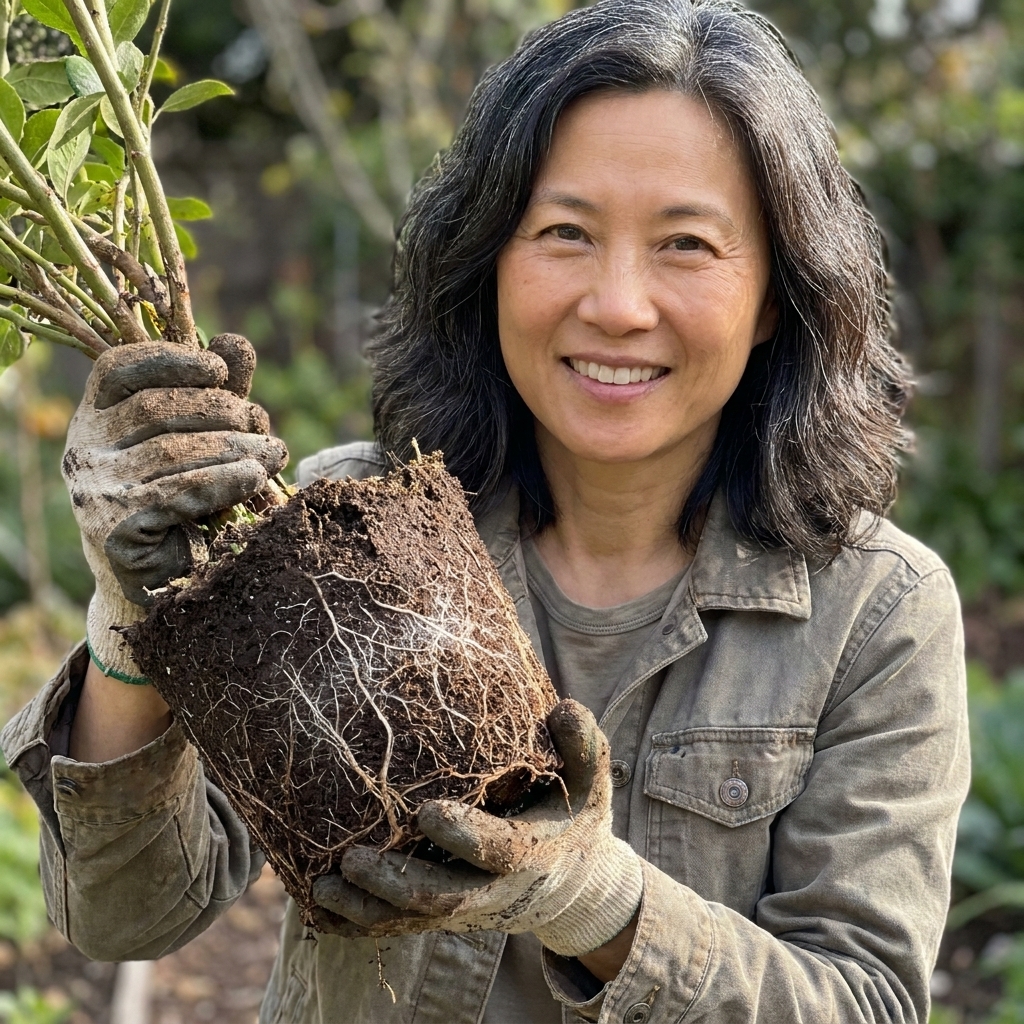
Mycorrhizal fungi are beneficial fungi that connect to plant roots. The word literally means “fungus root.” Once they colonize a root system, they grow threadlike filaments called hyphae out into the soil.
Think of hyphae as a plant’s off-site scouting team. A root can only explore the soil it physically touches. Hyphae can reach beyond that, slipping into tiny pores in the soil where roots cannot go. In exchange for this service, the plant feeds the fungi sugars created through photosynthesis.
What they do for plants
- Improve nutrient access, especially phosphorus and, in many soils, micronutrients like zinc and copper.
- Boost water uptake by expanding the effective reach of the root system.
- Support transplant success by helping roots establish, especially in disturbed ground or sterile media where native fungi are limited.
- Support soil structure over time as fungal hyphae can help stabilize soil aggregates.
- Increase resilience to drought and other stress, depending on plant species, soil conditions, and fungal type.
My favorite part is that this is not a “miracle additive.” It is simply biology doing what it has done for hundreds of millions of years, as long as we do not keep wiping the slate clean.
Types you will see on labels
Most garden products talk about mycorrhizae as if they are one thing. They are not. The type matters, mostly because different plants partner with different groups.
Retail products typically focus on two categories, but there are other specialized types (more on that below if you grow blueberries or orchids).
Arbuscular mycorrhizal fungi (AMF)
This is the big one for vegetable gardens and most flowering plants. AMF colonize inside root cells and then extend their hyphae into the surrounding soil.
Common AMF-friendly plants: tomatoes, peppers, beans, peas, squash, cucumbers, corn, lettuce, basil, many native perennials, most grasses.
Ectomycorrhizae
These fungi form a sheath around roots rather than going inside cells. They are most associated with trees and woody plants, especially many forest species.
Common ectomycorrhizal partners: oaks, pines, birch, beech, spruce, fir, many eucalypts.
If you are inoculating a vegetable bed, you want a product that contains AMF. If you are planting trees, you may want a blend that includes ectomycorrhizae, or a product targeted for trees.
Other types worth knowing
A quick heads-up for gardeners with specific favorites: not every plant is looking for AMF, and not every “mycorrhiza” product is a good match.
- Ericoid mycorrhizae partner with many acid-loving plants, including blueberries, cranberries, rhododendrons, azaleas, and heaths. Typical AMF inoculants may not do much for them.
- Orchid mycorrhizae are a whole world of their own. Orchids have very particular fungal relationships, especially early in life, and generic garden inoculants are rarely the answer.
Plants that do not benefit
Some plant families generally do not form mycorrhizal partnerships. If you inoculate them, you usually just feed microbes that do not meaningfully connect to those roots. That is not harmful, but it is often a waste of money.
- Brassicas: broccoli, cabbage, kale, cauliflower, Brussels sprouts, radishes, turnips.
- Spinach and beets: spinach, beets, chard, quinoa (often grouped with the older “chenopod” label, but commonly treated as Amaranth family plants in modern taxonomy).
- Many mustard relatives also produce compounds that can suppress certain soil fungi.
These plants can still thrive in living soil. They just rely more on bacteria, organic matter, and good nutrient cycling than on mycorrhizal relationships.
When mycorrhizae help most
Mycorrhizal fungi shine when nutrients and water are present but hard to access. They are less impressive when everything is already freely available, or when a soil already has plenty of active native fungi doing the job.
They are most useful when:
- You are planting into disturbed or new soil that has low biological activity.
- You garden in sandy soil where water and nutrients move through quickly.
- You are establishing perennials, shrubs, or trees and want long-term root support.
- You transplant seedlings that are prone to stalling.
- You are building a low-input garden with modest fertilization.
They matter less when:
- You regularly apply high rates of soluble phosphorus. Plants will often choose the easy route and invest less in fungal partners.
- You are working with sterile, waterlogged, or heavily compacted soil conditions that fungi struggle to tolerate.
- Your soil already has strong native mycorrhizal activity and you are not disturbing it much, meaning an added inoculant may not change much.
Top rule: root contact
Mycorrhizal inoculant is not like a general compost tea that you can spray anywhere and hope for magic. For most products, the fungi need to touch living roots to colonize successfully.
If you take only one practical tip from this article, let it be this: apply inoculant directly to roots or into the planting hole where roots will immediately grow.
How to add mycorrhizae
You can support mycorrhizae two ways: bring them in (inoculate), and stop evicting them (soil practices). Ideally you do both.
Option 1: Add at planting
This is the easiest time to get the fungi where they need to be.
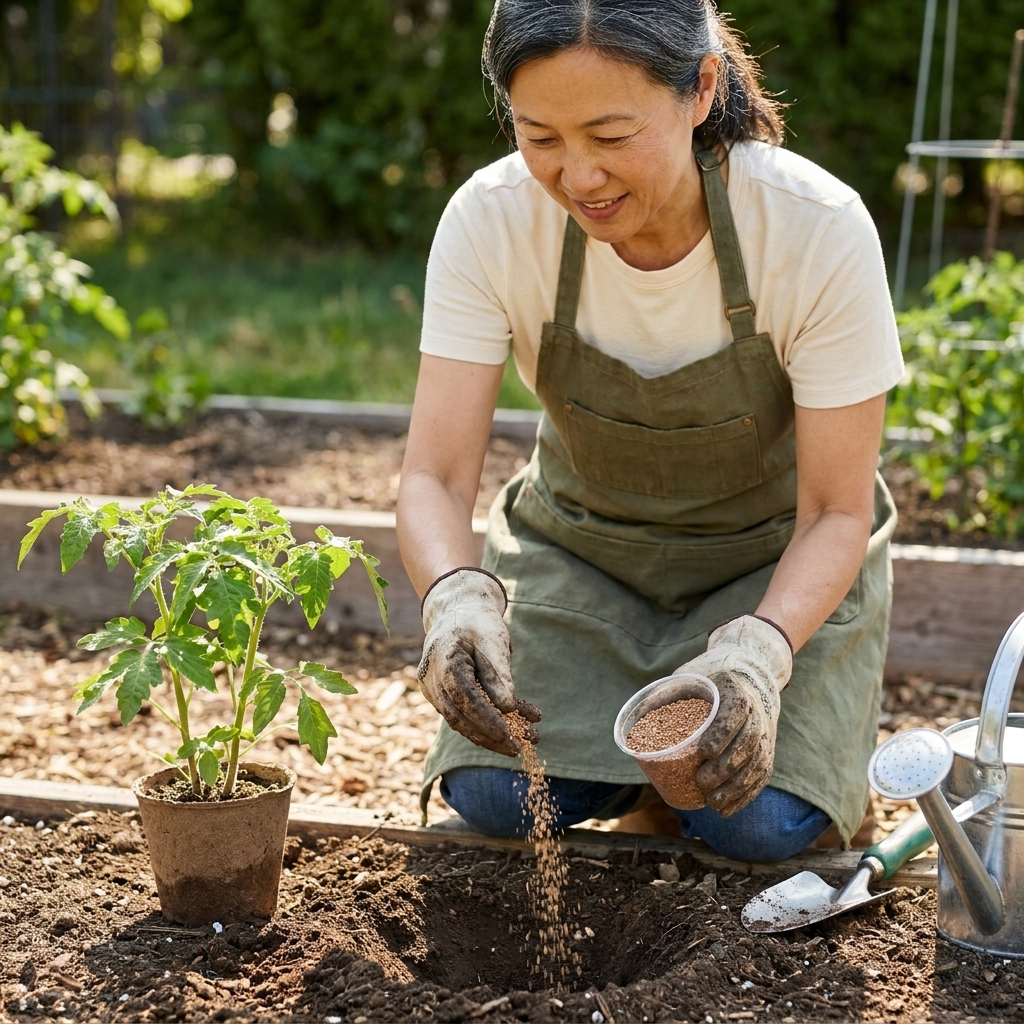
- For transplants: Dust the root ball lightly with inoculant, or sprinkle it into the hole so it touches the roots.
- For bare-root plants: Dip roots into a slurry made with water and inoculant, then plant immediately.
- For seeds: Use a seed coating product or place a small pinch in the furrow where the seedling roots will grow.
Water in gently. You are not trying to blast it away. You are trying to settle it into place.
Option 2: Add to established beds
If your plants are already in the ground, you can still inoculate, but you need to get the product into the root zone. Also, keep expectations realistic. Results from commercial inoculants can be mixed, often because the soil already has fungi, the product has lost viability, or fertility levels make plants less interested in partnering.
- Scratch-in method: Pull back mulch, sprinkle inoculant over the soil surface, and lightly scratch it into the top inch of soil near the plant’s drip line. Replace mulch.
- Soil drench method: Mix inoculant with water and apply as a drench around the root zone. Results vary by product, and direct root contact is still the goal.
- For shrubs and small trees: Create several small holes with a dibber or soil probe around the drip line, add inoculant into the holes, then water.
If you do this and then rototill next week, you just undid your work. Consider this your gentle reminder from a neighborly gardener: biology prefers a stable home.
Option 3: Containers and raised beds
Containers dry out fast and have limited soil volume, which is where fungal partnerships can help. The trick is timing and fertility. Many potting mixes and container feeding routines are so high-octane that plants do not bother building the relationship.
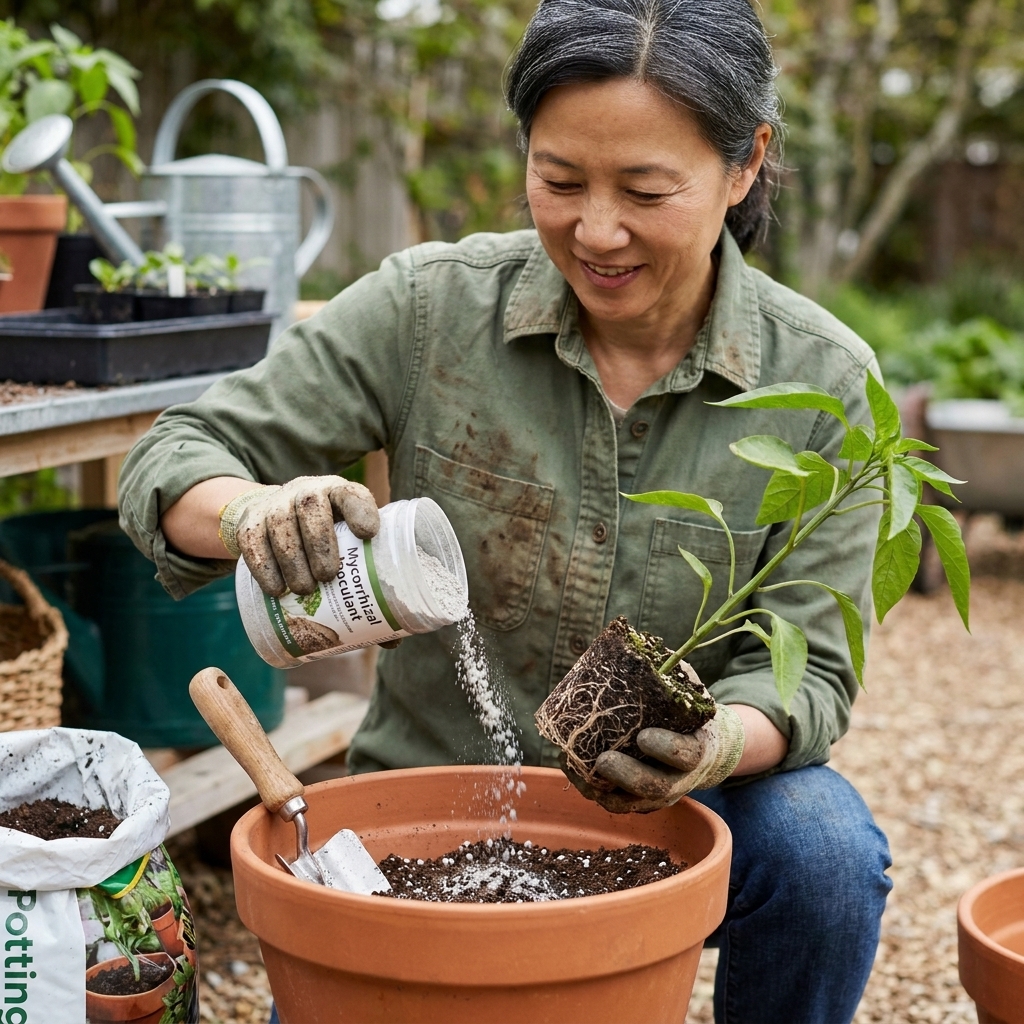
- Add inoculant when potting up seedlings or transplanting starts.
- Sprinkle a small amount directly onto the root ball, then backfill with potting mix.
- Use a less aggressive fertilizer routine. Constant high-salt feeding can discourage fungal relationships.
Choosing a product
Garden centers make this aisle feel more complicated than it needs to be. Here is what I look for.
Match the fungi type
- Vegetables and flowers: look for AMF, often listed as Glomus species (taxonomy shifts over time, so names may vary).
- Trees: consider a product that includes ectomycorrhizae.
- Blueberries and other ericaceous plants: look for products specifically labeled for ericoid partners, or focus on habitat and soil conditions those plants prefer.
Look for a clear rate and viability info
Good products provide application rates by plant size or area and give some indication of viable propagules or spores. If the label is vague and reads like perfume marketing, I keep walking.
Check storage and shelf life
These are living organisms. Heat, moisture, and time can reduce viability. Buy from a source with decent turnover, check expiration dates when available, and store it as directed. A bag that baked in a hot garage all summer may not have much left to offer.
Avoid unnecessary extras
Some blends include beneficial bacteria, humic acids, kelp, or fertilizers. These are not inherently bad, but they can make it hard to know what is actually working. If you are trying mycorrhizae for the first time, a simpler product is easier to evaluate.
Keep fungi thriving
Inoculant is optional. Habitat is not. If you want mycorrhizae to stick around, focus on the conditions they love.
1) Keep soil covered
Mulch moderates temperature, reduces evaporation, and protects hyphae near the surface.
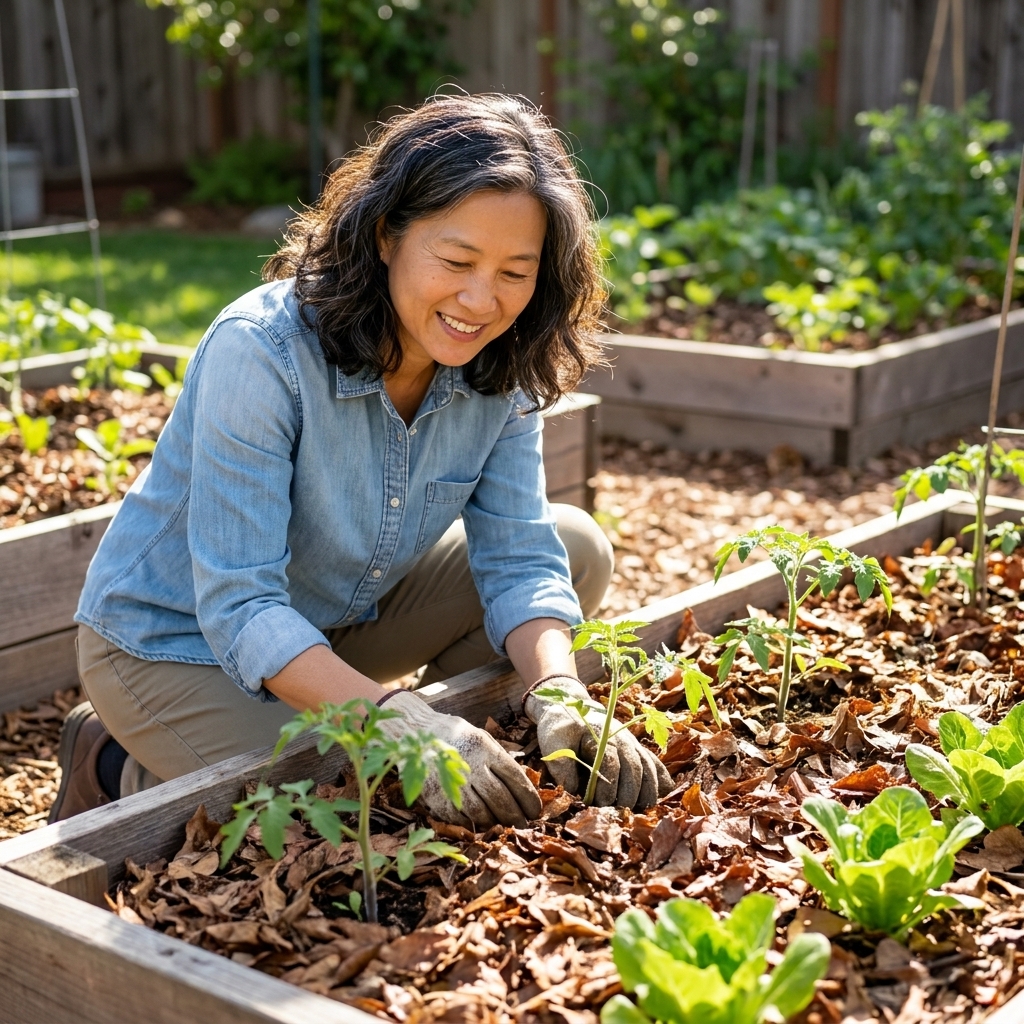
- Use shredded leaves, straw, arborist wood chips (best around perennials and trees), or compost as a thin topdress.
2) Disturb less
Frequent tilling breaks fungal networks. If you must loosen soil, try a broadfork or gentle top-layer cultivation instead.
3) Add organic matter
Compost and leaf mold help fuel the wider soil food web. Mycorrhizae are fed by plant sugars, but they benefit from a bustling microbial neighborhood and stable soil structure.
4) Keep living roots in the ground
Cover crops are a secret weapon for fungal continuity.
- Good fungal-friendly cover crops include oats, rye, clover, vetch, and many grasses.
- If you cannot cover crop, even a short-season filler plant helps keep roots in the ground.
5) Go easy on high-phosphorus fertilizer
Phosphorus is the classic mycorrhizal trade item. If the plant can grab plenty of phosphorus with zero effort, it often invests less in the partnership.
If a soil test shows you are truly low, correct the deficiency. Just avoid routine heavy-handed phosphorus applications “because tomatoes like it.”
6) Be cautious with sterilizing practices
Broad-spectrum fumigants, some fungicides, and aggressive soil sterilization methods can wipe out beneficial fungi along with the bad actors. If you do sterilize a potting mix or bed for a specific reason, reinoculating at planting can help rebuild biology.
Common mistakes
- No root contact: Sprinkle-on-top-and-walk-away is rarely effective.
- Overfertilizing: especially with soluble phosphorus, which can reduce colonization.
- Constant disturbance: aggressive cultivation breaks networks.
- Expecting instant results: benefits are often subtle, like steadier growth and better drought tolerance over time.
- Using fungicides indiscriminately: many fungicides can harm beneficial fungi along with the bad actors.
- Assuming the product is alive: poor storage and old stock can turn an inoculant into expensive dust.
Also, give yourself permission to keep it simple. If you are already mulching, composting, and not tilling your beds into dust, you are doing a lot for soil fungi.
Simple start plan
If you are new to soil biology and want a plan that is easy to follow and hard to mess up, here is what I recommend.
This season
- Pick one bed or a few containers to treat as your experiment.
- Add inoculant at transplant time by dusting root balls or sprinkling into planting holes.
- Mulch with leaves or straw once plants are established.
- Use compost as a light topdress instead of frequent high-powered fertilizers.
Next season
- Try a simple cover crop in that bed during the off-season.
- Disturb the soil less, and add organic matter more consistently.
Gardening is full of right answers, but soil health rewards the calm, repeatable habits most of all.
FAQ
Are mycorrhizal fungi the same as mushroom compost or mushrooms?
Not exactly. Some mycorrhizal fungi do produce mushrooms in nature, but many do not. “Mushroom compost” is typically the spent growing medium from commercial mushroom production. It can be useful as organic matter, but it is not a reliable mycorrhizal inoculant.
Will mycorrhizae fix compacted soil?
They can support structure over time, but they cannot do their best work in badly compacted soil. Start by gently loosening (without pulverizing), add organic matter, keep soil covered, and avoid walking on beds.
Do I need to reapply every year?
If conditions are good and roots stay in the area, mycorrhizal fungi can persist. In heavily disturbed gardens, or where beds are frequently replanted and tilled, reapplication may help. For perennials and shrubs, one good application at planting is often enough.
Can I make my own mycorrhizal inoculant?
You can encourage native fungi by importing healthy, living soil from an established garden (where you are sure it is disease-free), by using compost, and by growing cover crops. True mycorrhizal inoculant production is more complex than home composting, so most home gardeners focus on habitat.
The quiet win
Mycorrhizal fungi are not a shortcut around good gardening. They are what good gardening makes room for.
If you give roots living partners, keep the soil covered, and resist the urge to constantly reset your beds, you will start building the kind of soil that feels springy underfoot and forgives you when life gets busy. And that, in my opinion, is the best kind of garden.