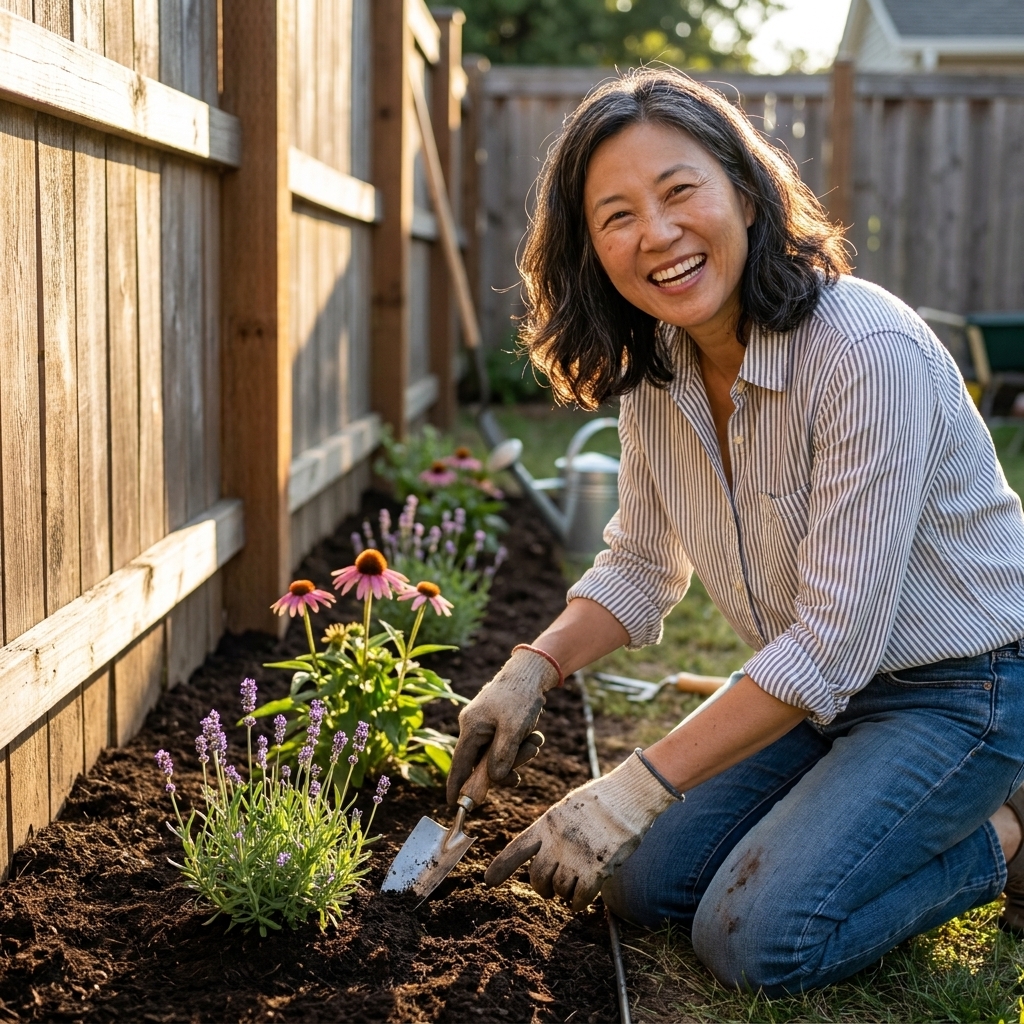
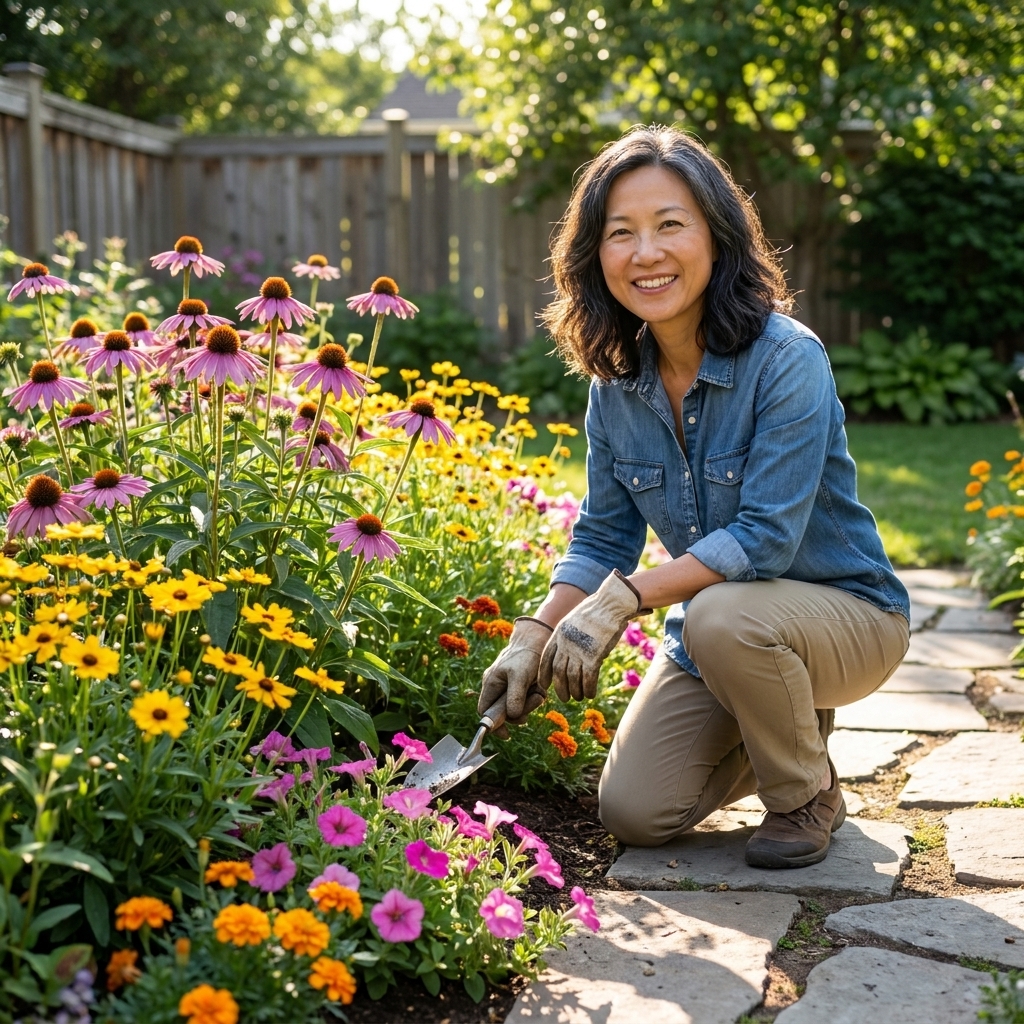
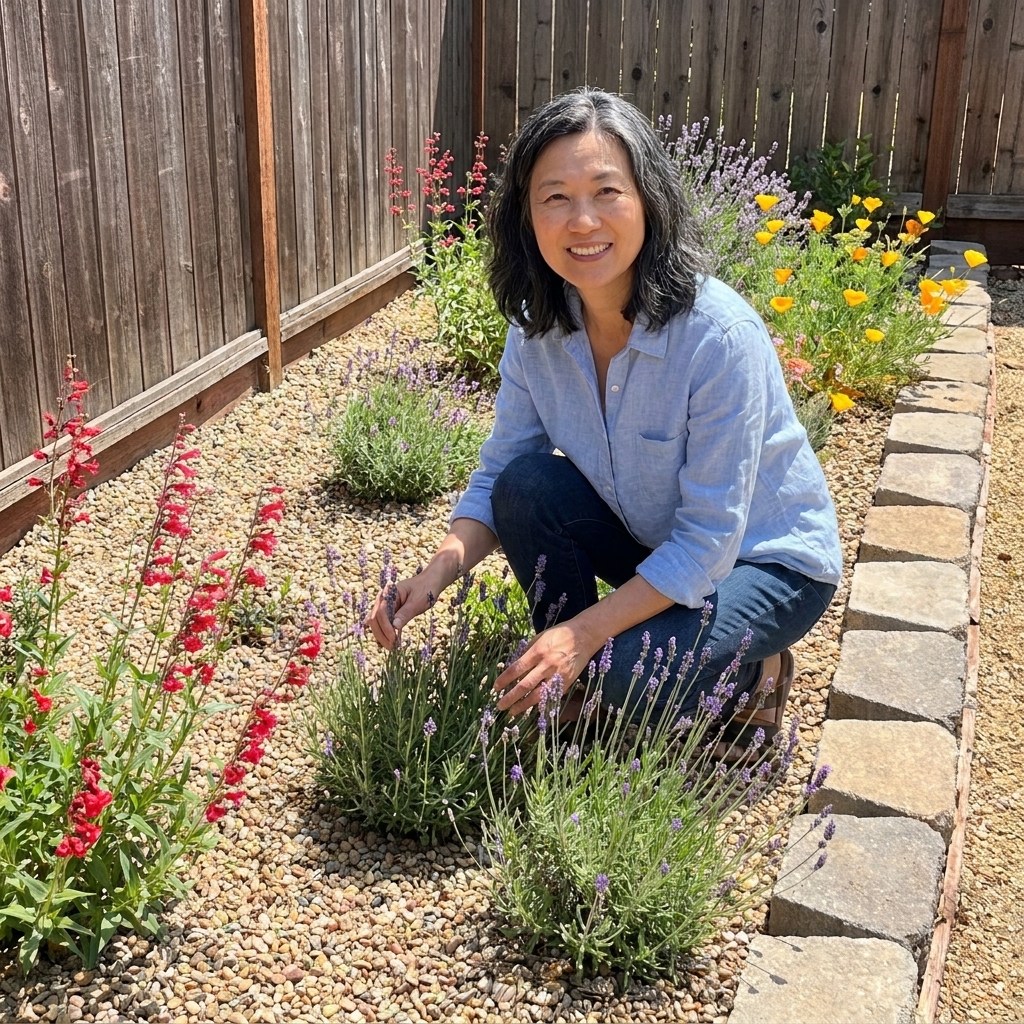
When you are staring at a patch of “stubborn dirt” and dreaming of tomatoes, the first big design choice is structural: do you build up with raised beds, or dig in and garden in-ground?
I promise there is no moral high ground here. Raised beds are not “better gardeners” and in-ground gardeners are not “doing it the hard way.” The best layout is the one that fits your space, your body, your budget, and how much maintenance you actually want to sign up for.
Quick definitions
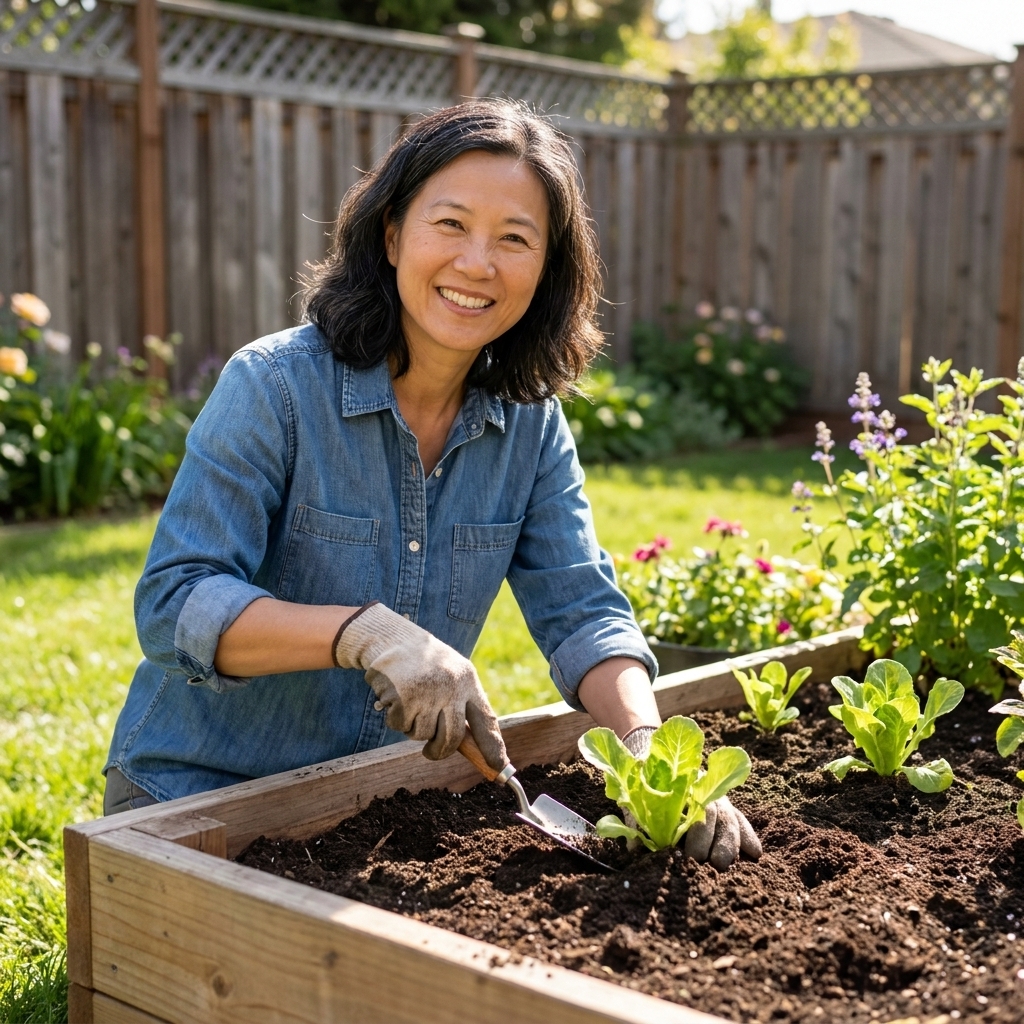
Raised bed gardening
A raised bed is a contained growing area where the soil sits above the surrounding grade. It can be as simple as a 6-inch-tall frame or as tall as a waist-high planter. The key idea is that you are creating a defined footprint and bringing in a soil mix designed for plant growth.
In-ground gardening
In-ground means planting directly into your native soil, usually after amending it with compost or other organic matter. You can still use borders, paths, and tidy edges, but the soil profile is your yard’s natural soil, improved over time.
Pros and cons
Raised beds: where they shine
- Fast start with better soil: You control the mix from day one, which is a gift if your yard is heavy clay, full of rocks, or chronically compacted.
- Drainage, usually: Elevated soil often sheds excess water more easily, but drainage still depends on your soil mix and what is underneath the bed. If you set a bed on compacted clay, it is worth loosening the area first so water can move down instead of pooling at the interface.
- Earlier spring planting, often: Raised bed soil can warm sooner, especially when the bed is in full sun and the soil surface is dark and well-drained.
- Accessibility and comfort: Less bending, easier weeding, and a cleaner work surface. Tall beds can be a game changer for knees and backs.
- Cleaner, tidier layout: Beds and paths create instant structure, especially in small yards.
Raised beds: the tradeoffs
- Higher upfront cost: Lumber or metal, hardware cloth, and especially soil add up quickly.
- More frequent watering: Raised beds drain well when built with a good mix, which also means they can dry out faster in summer, particularly in hot or windy climates.
- Soil settles: Expect to top-dress with compost every season and occasionally add more mix as it compacts.
- Materials age: Wood eventually rots. Even rot-resistant lumber has a lifespan, depending on climate.
In-ground gardens: where they shine
- Lower cost to start: You can begin with a shovel, compost, and a plan. No frames required.
- Moisture can be more stable: Many native soils, especially loams and clay loams, hold water longer than a fluffy raised bed mix. If your native soil is very sandy or severely compacted, this advantage may not show up without added organic matter and mulch.
- Room for deep roots: Perennials, shrubs, and some vegetables can send roots down into the native soil profile over time.
- Great for big spaces: If you want long rows of corn, pumpkins that sprawl, or large perennial borders, in-ground is often more practical.
In-ground gardens: the tradeoffs
- Soil improvement takes time: If your soil is compacted or low in organic matter, it can take a few seasons of composting and mulching to hit your stride.
- Drainage can be a challenge: Low spots, heavy clay, and high water tables can complicate planting.
- Weeds can be more persistent: You are connected to the surrounding seed bank. Mulch helps, but you will still be playing defense.
- More bending and kneeling: This is a real factor, not a minor inconvenience.
Cost: what you are paying for
Costs vary by region and materials, but the biggest difference is simple: raised beds require imported materials, and in-ground gardens mostly require inputs like compost and mulch.
Raised bed costs
- Bed frame: Wood or metal plus screws and corner brackets.
- Soil volume: The larger and deeper the bed, the more you spend. Soil is often the single biggest line item. For a sense of scale, a 4-by-8-foot bed filled 12 inches deep takes about 32 cubic feet of soil mix, which is roughly 1.2 cubic yards.
- Smother layer and pest barrier: Many gardeners lay plain cardboard under a new bed as a temporary grass-smothering layer. If burrowing rodents are an issue, add hardware cloth underneath before you fill.
- Mulch and compost: Still needed yearly for soil health and moisture retention.
- Irrigation: Many raised-bed gardeners add drip lines to make watering manageable.
In-ground costs
- Compost: The backbone of soil improvement. A thick top-dress each season does wonders.
- Mulch: Helps with weeds, moisture, and gradual soil building.
- Edging and paths: Optional, but often worth it for a clean layout.
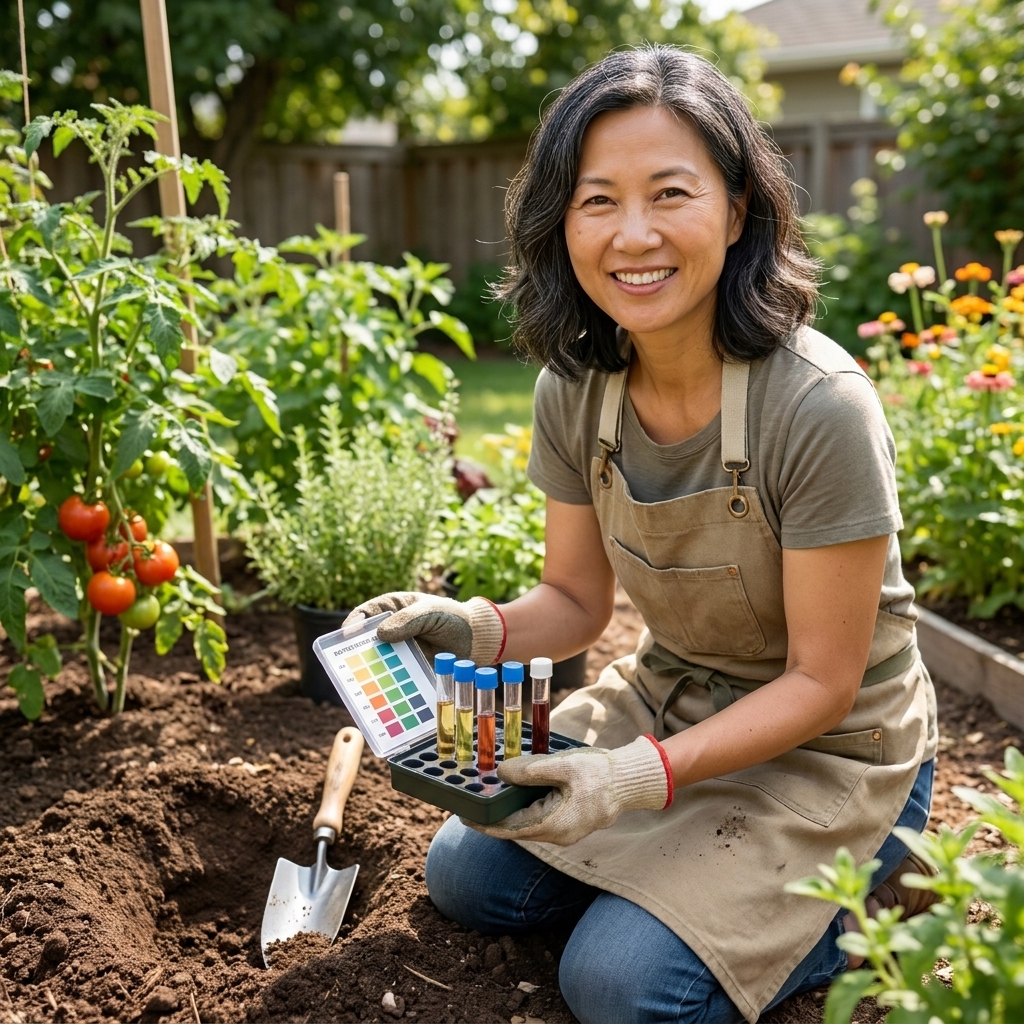
- Soil test: A small cost that can prevent years of guessing, especially for vegetables.
If you are choosing purely on budget, here is the gentle truth: in-ground is usually cheaper upfront, and raised beds often pay you back in convenience and speed, not necessarily savings.
Soil matters most
When I help beginners troubleshoot a struggling garden, the problem is often not the variety of tomato. It is the soil, the drainage, or both.
Choose raised beds if your soil has issues
- Thick clay that stays wet and sticky for days after rain
- Construction fill, rubble, or lots of rocks
- Severely compacted soil where water puddles and roots struggle
- Known contamination concerns near old structures or heavily trafficked areas (in those cases, consider a soil test and a design that separates your clean soil from the native soil without trapping water)
Choose in-ground if your soil is workable
- Loamy or sandy loam soil that drains reasonably well
- A yard where you can add compost and mulch yearly
- Enough space to rotate crops or expand gradually
Water and drainage
Raised beds are famous for drainage, but they are not automatically “better.” A raised bed with a fine-textured mix can drain poorly, and a raised bed installed over compacted soil can hold water at the bottom like a perched sponge.
Raised beds work well when
- Your yard holds water or you garden in a rainy season climate
- You want to control soil texture for root crops like carrots
- You can commit to consistent watering during hot spells
In-ground works well when
- You have hot summers and limited time to water
- Your native soil holds moisture without staying soggy
- You plan to mulch heavily (mulch is basically a watering assistant)
My practical rule: if you already struggle to keep houseplants watered, plan irrigation before you build a lot of raised bed square footage.
Weeds and pests
Weeds
Raised beds can start almost weed-free if you fill them with clean soil and use a temporary smother layer underneath. Cardboard can work well at setup, but keep it simple: use plain, non-glossy cardboard, remove tape, overlap seams, and expect it to break down within a season.
In-ground beds tend to have a bigger existing weed seed bank. The fix is not despair. It is mulch, a sharp hoe, and a little consistency.
Soil pests
Raised beds can help with some burrowing rodents if you install hardware cloth under the bed. They can also make it easier to spot issues early because you are working in a defined space.
On the flip side, raised beds do not magically prevent aphids, cabbage moths, or fungal diseases. Healthy soil, good airflow, crop rotation, and practical tools like row cover and resistant varieties matter in both systems. Companion planting can help in some cases, but it is not a substitute for the basics.
Maintenance and longevity
Raised beds: predictable upkeep
- Top-dress with compost each season
- Check irrigation and edges
- Plan for eventual frame replacement, especially with wood
In-ground: slow soil building
- Add compost annually or semi-annually
- Mulch paths and beds to reduce weeding
- Aerate compacted areas as needed, ideally with minimal soil disturbance
The long-game advantage of in-ground gardening is that your soil can become richer and more resilient every year. It is like compounding interest, but for earthworms.
Space and layout
Small yards and patios
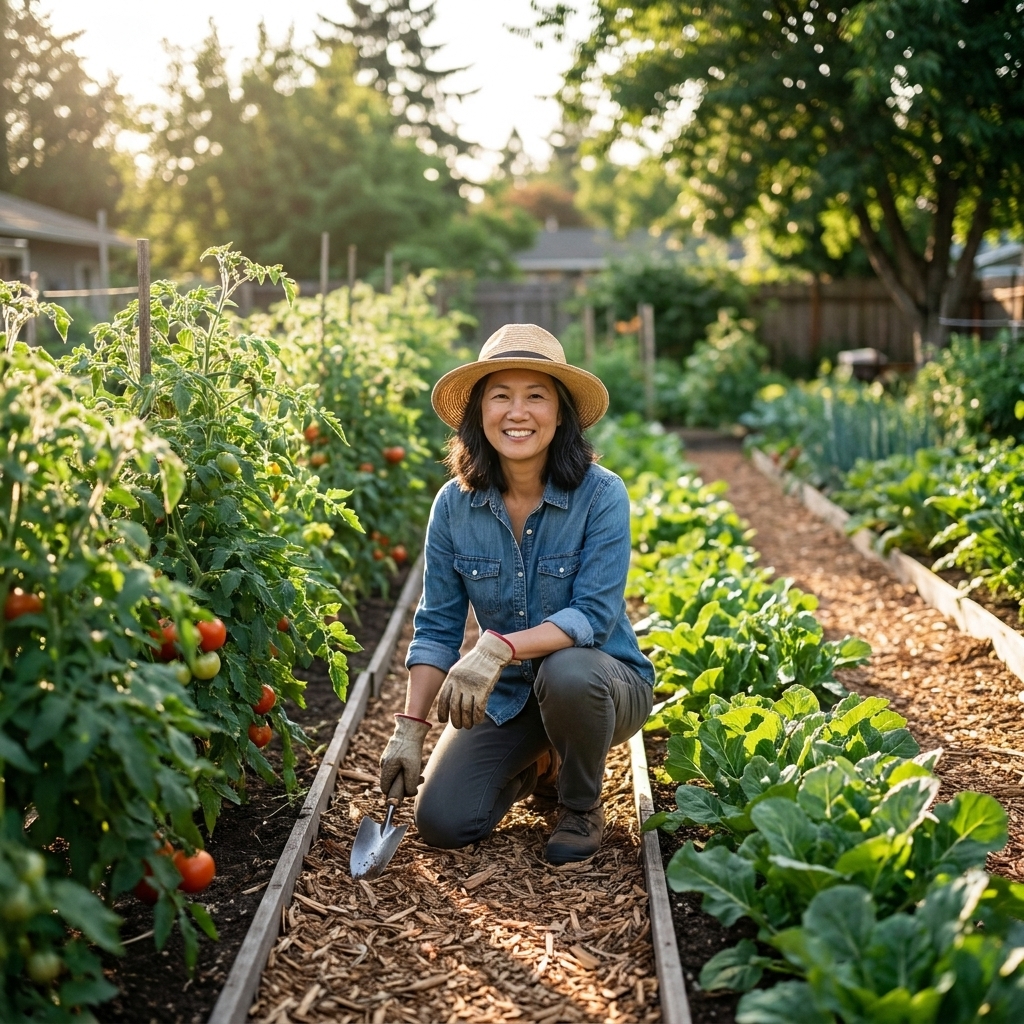
Raised beds (or large containers) often win here because they create clear boundaries and efficient use of space. If you are working with a tight footprint, clean paths and accessible edges matter.
Large yards
In-ground beds are easier to scale. You can start with one 4-by-8 plot, then expand as your confidence grows without buying a fleet of bed frames.
Slopes
Gentle slopes can be managed with in-ground terracing and smart mulching, but steep slopes are where raised beds get complicated and expensive. In those spaces, consider in-ground beds shaped to contour lines, or smaller terraced planting areas supported by retaining structures.
Match the structure to plants
Raised beds are great for
- Leafy greens, herbs, and salad gardens
- Carrots, beets, radishes, and other root crops (with the right soil mix)
- Intensive planting in small spaces
- Cut flower beds where tidy access matters
In-ground is great for
- Large crops that sprawl like pumpkins and winter squash
- Perennial beds and shrubs where roots want depth over time
- Corn or larger plantings that benefit from wind pollination and space
- Native plant gardens that thrive in existing soil once established
Decision guide
Pick raised beds if you want
- A quicker, cleaner setup with controlled soil
- Easier access for your back and knees
- Better drainage in a wet yard (with the right soil mix and site prep)
- A tidy design that stays visually organized
Pick in-ground if you want
- The lowest-cost way to start gardening
- A garden that can expand easily over time
- To improve your native soil year by year
- Less frequent watering if your soil holds moisture well
Pick a hybrid if you want both
This is my most common recommendation. Use one or two raised beds for high-attention crops you pick often (greens, herbs, strawberries), and keep in-ground space for sprawling plants, perennials, or anything you want to scale.
Setup tips
If you are building raised beds
- Do not go too deep at first. A 10 to 12 inch bed grows a lot of vegetables and costs far less soil than a 24 inch bed. If the bed is open to workable soil underneath, many crops will happily root deeper. If you are growing long carrots or parsnips, aim for more depth or be sure the soil below is loose.
- Prioritize soil quality. A good soil mix and compost will outperform fancy lumber every time.
- Plan bed width for reach. Aim for about 3 to 4 feet wide so you can reach the center without stepping into the bed.
- Mulch the surface. It reduces watering needs and prevents crusting.
If you are going in-ground
- Start small. One manageable bed is better than a giant plot you resent by July.
- Sheet-mulch to start. Cardboard plus compost plus mulch smothers grass and builds soil with less digging. Use plain cardboard, remove tape, and keep the layer thin enough that water can still move through as it breaks down.
- Add compost on top. Top-dressing feeds soil life without wrecking soil structure.
- Edge the bed. A clean edge instantly makes it feel intentional, even if weeds try to crash the party.
Materials and climate notes
Bed materials
If you are choosing wood, many gardeners use modern pressure-treated lumber. Today’s treatments are different from older formulations that raised more concerns. If you prefer to avoid treated wood, naturally rot-resistant woods and coated metal beds are common options. Whatever you choose, focus on drainage and soil quality first. Those are the real make-or-break factors.
Heat and cold
In hot, dry climates, raised beds can dry out and heat up faster, especially if they are shallow or exposed to wind. Mulch and drip irrigation help, and metal beds can run warmer in full sun. In very cold climates, raised beds can freeze sooner and thaw sooner, which is not necessarily bad, but it can mean more temperature swings. Pay attention to sun exposure, wind, and mulch, and you will be fine in either system.
FAQ
Are raised beds healthier for plants?
They can be, especially if your native soil is compacted or poorly draining. The health boost usually comes from better soil structure and organic matter, not from the wood frame itself.
Do raised beds need a bottom?
Usually, no. Most raised beds perform best open to the soil underneath so roots and soil life can move freely. If burrowing rodents are an issue, install hardware cloth underneath. If contamination is a concern, consider a soil test and use a barrier that separates soils without turning the bed into a bathtub that holds water.
Is in-ground gardening harder?
Sometimes it is slower at first because you are improving what is already there. But once your soil is built up, in-ground gardens can be wonderfully resilient and lower-maintenance than people expect.
What is the most budget-friendly choice for beginners?
In-ground, especially if you start with sheet mulching and use compost and mulch strategically. If you want raised beds on a budget, build fewer beds, keep them shallower, and invest in a great soil mix.
My honest take
If your soil is decent and you have space, in-ground gardening is a beautiful long-term relationship. You get to watch your yard’s soil come back to life season after season.
If your soil is a nightmare, your body needs a break, or you crave structure, raised beds are an incredible shortcut. They make gardening feel friendly on day one.
And if you are torn, give yourself permission to do a hybrid. Gardening is supposed to be therapeutic, not a one-time exam you either pass or fail. Your layout can evolve the same way your confidence does.