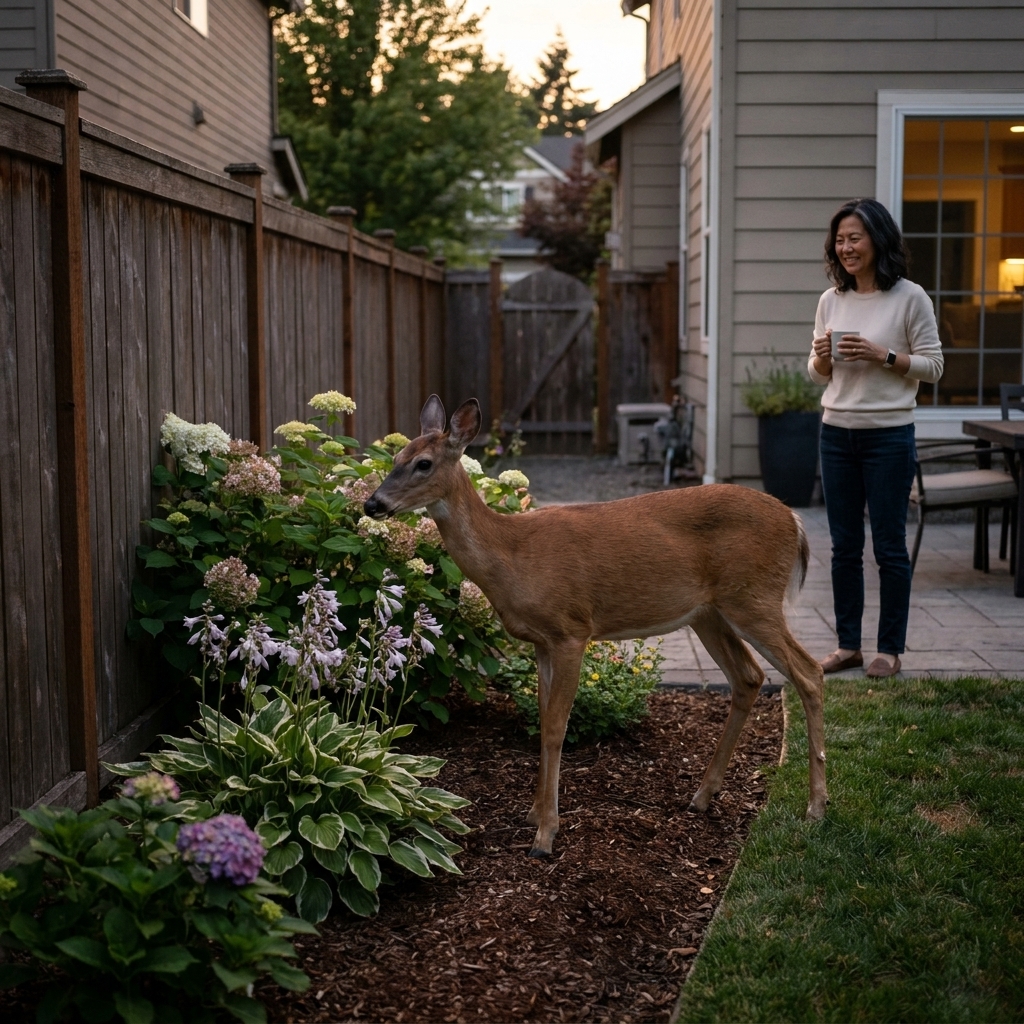
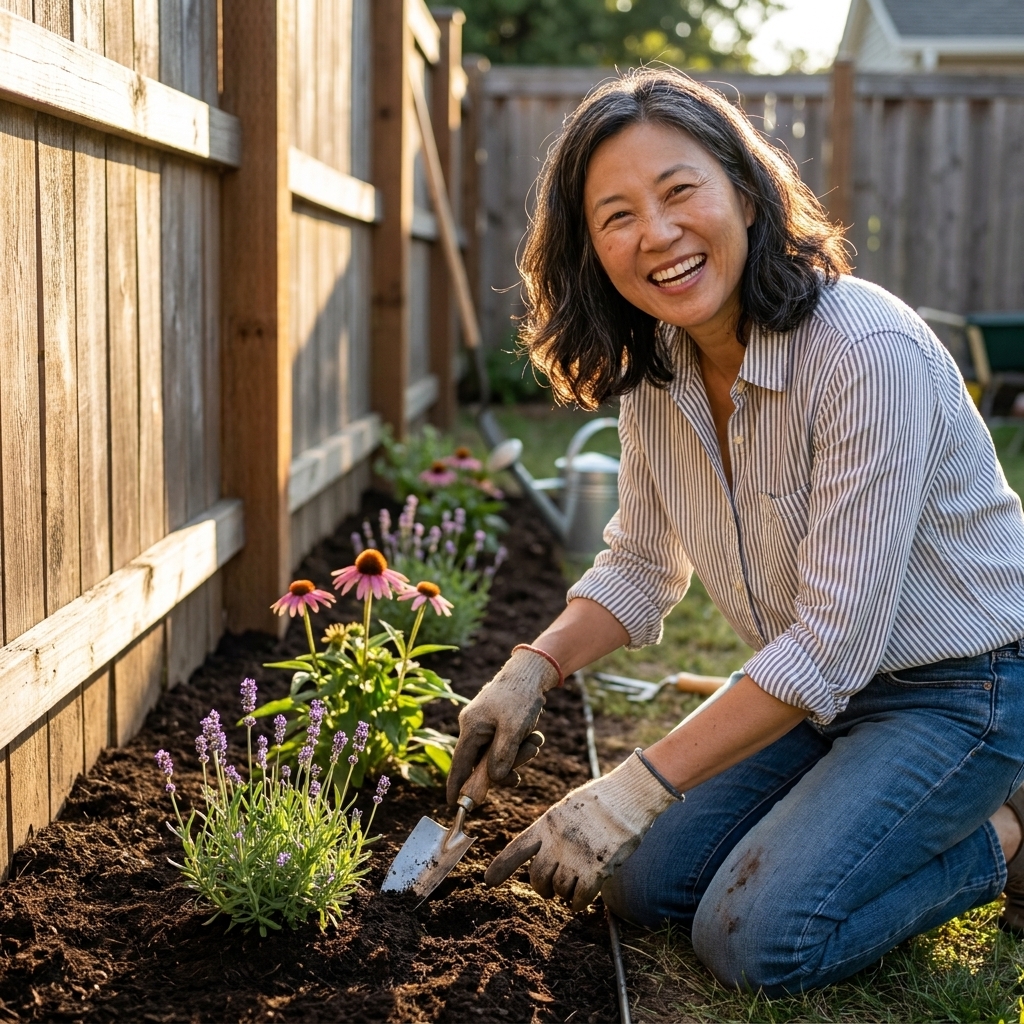
If you have ever walked out with your coffee to admire your blooms and found nothing but tidy little stems, welcome to the club. Deer and rabbits are not “bad” animals, but they are extremely efficient. The trick is to stop treating this like a single-problem situation and start stacking deterrents so your garden feels inconvenient, confusing, and not worth the risk.
Below are the approaches I have seen work reliably in real yards, from suburban lots to rural edges. I use a simple rule: physical barriers first, then planting strategy, then repellents as backup.
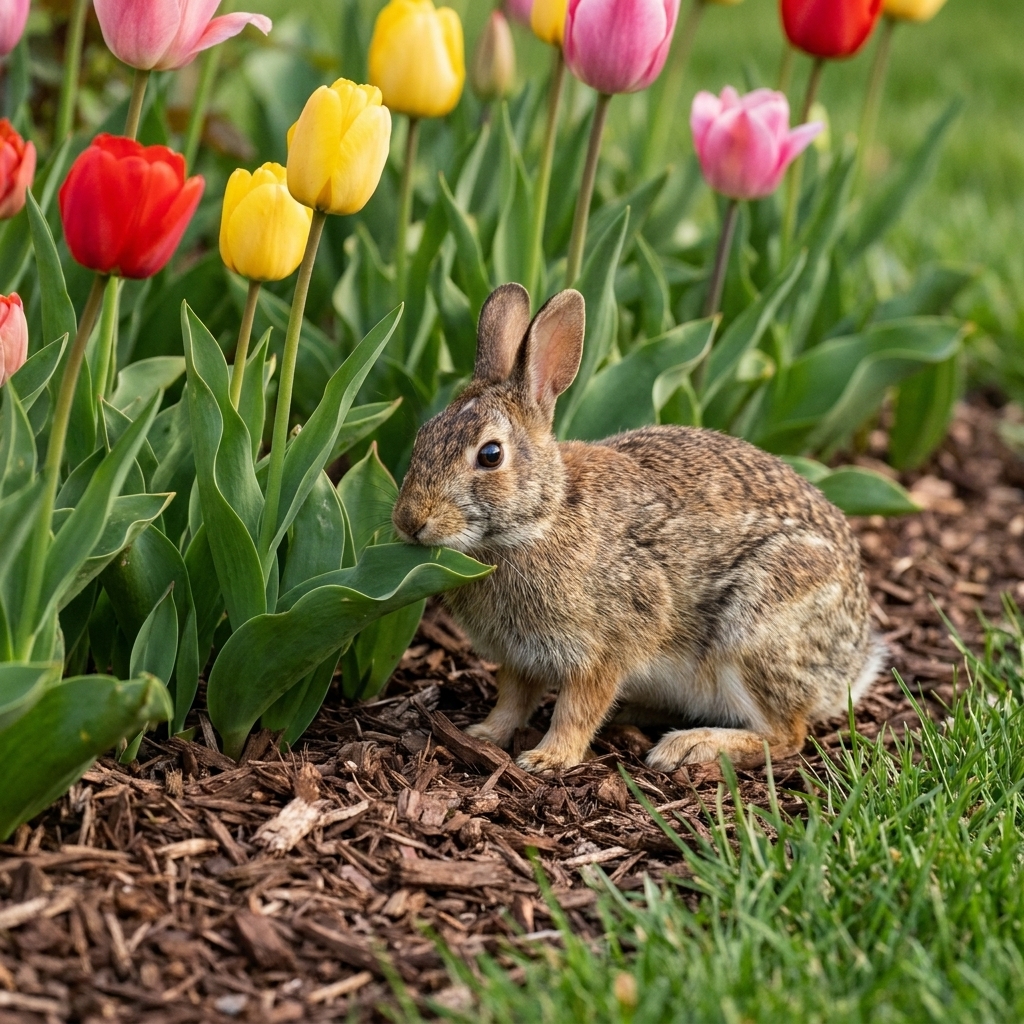
Start with the truth: barriers work best
Repellents can help, and “deer resistant” plants can reduce damage, but nothing is as consistently effective as making it physically difficult to browse. If you want flowers to look like flowers all season, fencing and targeted plant protection are your best friends.
Fencing that works (with real specs)
For deer: height is the big factor
Deer are capable jumpers, especially in open areas. Most “deer fence failed” stories come down to one thing: the fence was too short, too easy to clear, or it had a weak spot they learned quickly.
- Most reliable option: 7.5 to 8 feet of fencing around the garden (woven wire or polypropylene deer fence). In high-pressure areas, 8 feet is typically the safest bet.
- Gate reality: A great fence with a sloppy gate is still an open invitation. Use a gate that closes fully every time.
- Bottom gap: Keep the bottom tight to the ground so rabbits cannot sneak in, and so deer do not nose under.
Small-yard workaround: If full-height fencing is not realistic, a double fence can work: two shorter fences spaced about 4 to 6 feet apart (sometimes wider, depending on the layout). Deer dislike jumping into a narrow “landing zone.” It is not as foolproof as 8 feet, but it can be surprisingly effective in compact spaces.
For rabbits: think “under,” not “over”
Rabbits are all about gaps. They slip under, squeeze through, and take advantage of openings you did not notice until your zinnias disappear. They usually do not jump like deer, but they can clear a low barrier if it is easy and the reward is good.
- Fence height: 2 to 3 feet is usually enough, especially if the top edge is firm and the bottom is secured.
- Mesh size: 1-inch mesh often works for adults, but 1/2-inch hardware cloth is more secure if you are dealing with small rabbits or heavy pressure.
- Secure the bottom: Bury wire 6 to 10 inches down, or bend it outward in an L-shape and pin it under mulch to discourage digging.
If you need one fence to handle both deer and rabbits, go with deer-height fencing plus a rabbit-proof “skirt” at the bottom using hardware cloth.
Before you build: Check local rules and HOA restrictions for fence height and placement, and call before you dig if you are setting posts.
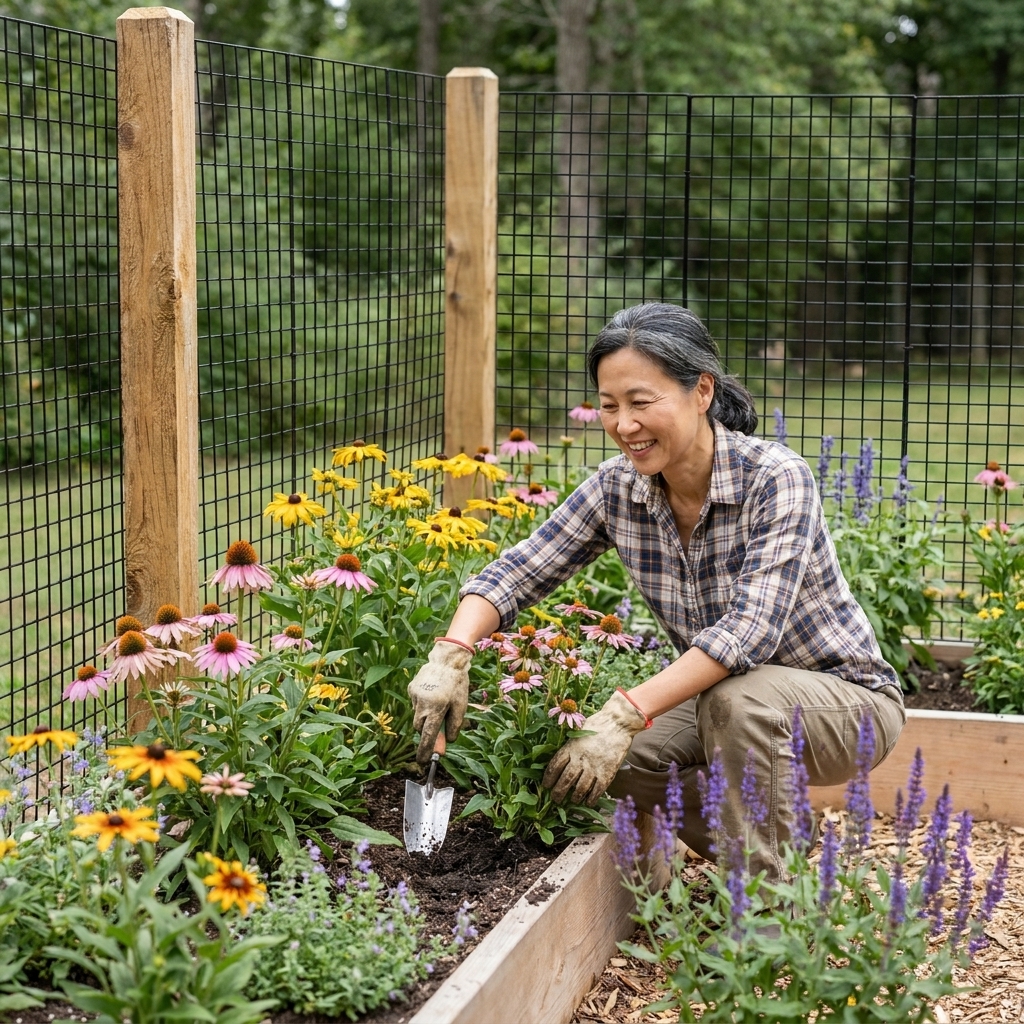
Targeted protection: cages and cloches
If fencing the entire garden is not in the cards this year, protect the plants you would cry over first. I call these the “prom” plants: the ones you planned around, paid extra for, or bragged about to your neighbor.
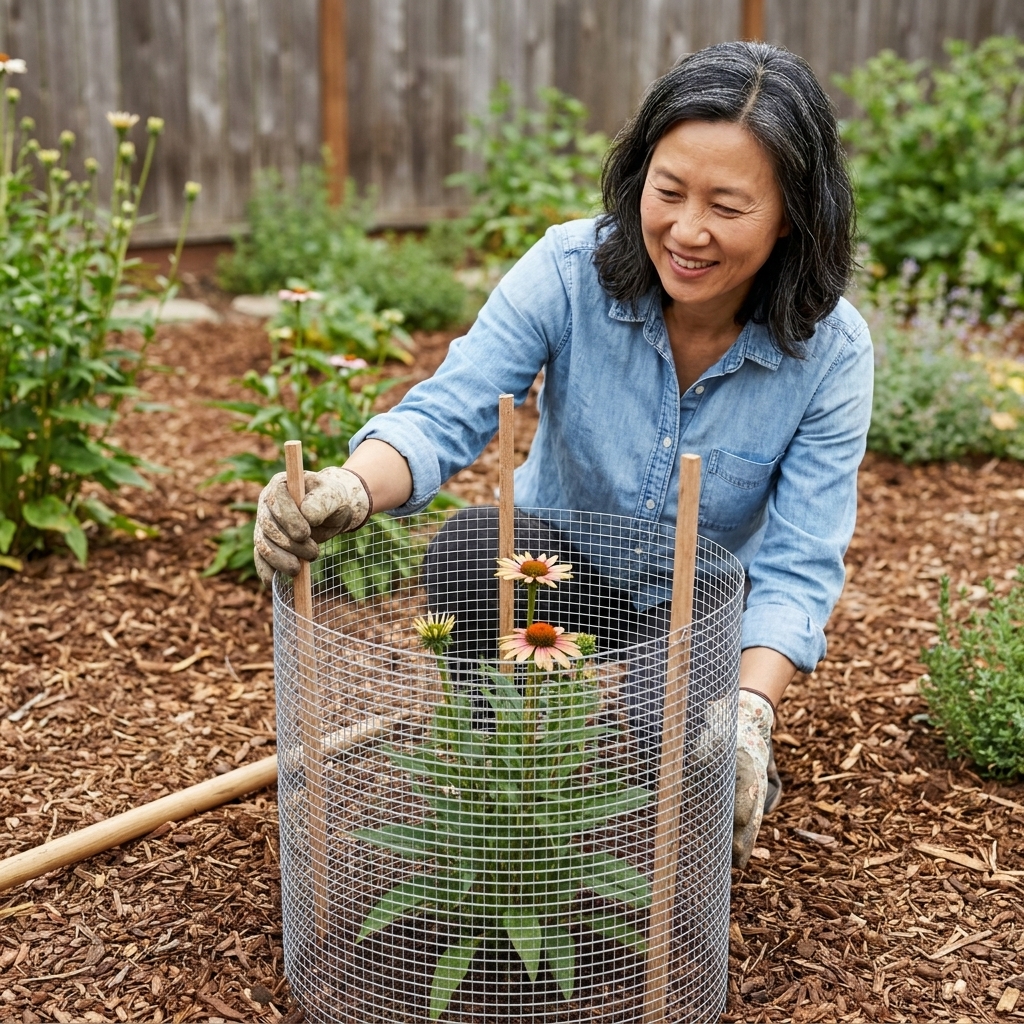
- Wire cages: Make quick cylinders from hardware cloth and stake them around new shrubs, lilies, or tender perennials.
- Tree and shrub guards: For young shrubs, use a sturdy mesh guard until the plant is tall enough to handle a little browsing.
- Cloches and covers: Early-season protection over emerging shoots can get you past the hungriest spring window.
This approach is not glamorous, but it is honest. A $6 cage can save a $45 plant.
Repellents: what helps and how to use it
Repellents work best when you treat them like rain gear, not armor. They reduce browsing pressure, especially when paired with barriers and smart plant choices, but they require consistency.
Two main types: odor-based and taste-based
- Odor-based repellents (often using putrescent egg solids, garlic, or predator scents) make the area smell risky or unappetizing.
- Taste-based repellents (often bitter agents, and sometimes ingredients like capsaicin or thiram in some products) make the first bite unpleasant, which can reduce repeat visits.
Application rules that matter
- Start early: Apply before animals establish a habit. Once deer decide your bed is “safe,” they will tolerate more.
- Reapply after rain: Even “rain resistant” products fade. Plan on reapplying after significant rainfall and during rapid new growth.
- Rotate products: If browsing returns, switch formulas. Animals can acclimate to a single smell.
- Spray the plant, not just the border: Deer and rabbits are eating the plant. Focus on the parts they nibble.
A practical note: If you grow flowers for cutting, keep repellents off blooms you bring indoors. Spray foliage and stems instead, and always follow label directions. If you also grow vegetables or herbs nearby, check the label carefully. Not every repellent is meant for edible crops.
Planting strategies that reduce damage
“Deer resistant” does not mean deer proof. When food is scarce, deer will sample almost anything. But you can absolutely design beds that are less tempting and make your favorites harder to reach.
Use less-tasty plants as a border
Think of this as landscaping with a bouncer at the door. Plant aromatic or fuzzy-leaved species around the outside edges of beds, then tuck more vulnerable flowers toward the center.
Commonly less preferred options include many plants with strong scent or tough textures, such as:
- Lavender
- Catmint (Nepeta)
- Sage (Salvia)
- Yarrow
- Russian sage
- Ornamental alliums
- Foxglove (note: toxic, place thoughtfully if you have pets or kids)
Place high-value plants strategically
- Closer to the house: Deer often avoid tight, high-activity areas.
- Inside courtyards or fenced side yards: Even partial barriers can change behavior.
- Behind hardscaping: Raised beds, walls, and dense shrubs can make access awkward.
Keep your garden less “readable”
Big sweeps of one tasty plant are like a billboard. Mixed plantings with varied textures, scents, and heights can reduce the visual cue that says, “All-you-can-eat buffet.”

Do not accidentally invite them
Sometimes the deterrent is fine, but the yard is offering perks.
- Fallen fruit: Clean up dropped apples, pears, or plums promptly. Deer will learn your yard is a snack stop.
- Water sources: Birdbaths and shallow ponds can increase visits. You do not have to remove them, but expect more traffic.
- Minerals and certain fertilizers: Salt blocks and mineral licks can attract deer, and some amendments like bone meal or blood meal can draw curious animals. Water them in well and store bags sealed.
- Cover and hiding spots: Dense brush piles or untrimmed edges can make rabbits feel safe. A tidier perimeter can reduce rabbit activity.
Motion sprinklers, lights, and noise
These tools can help, especially for short bursts, but they are not usually a standalone fix.
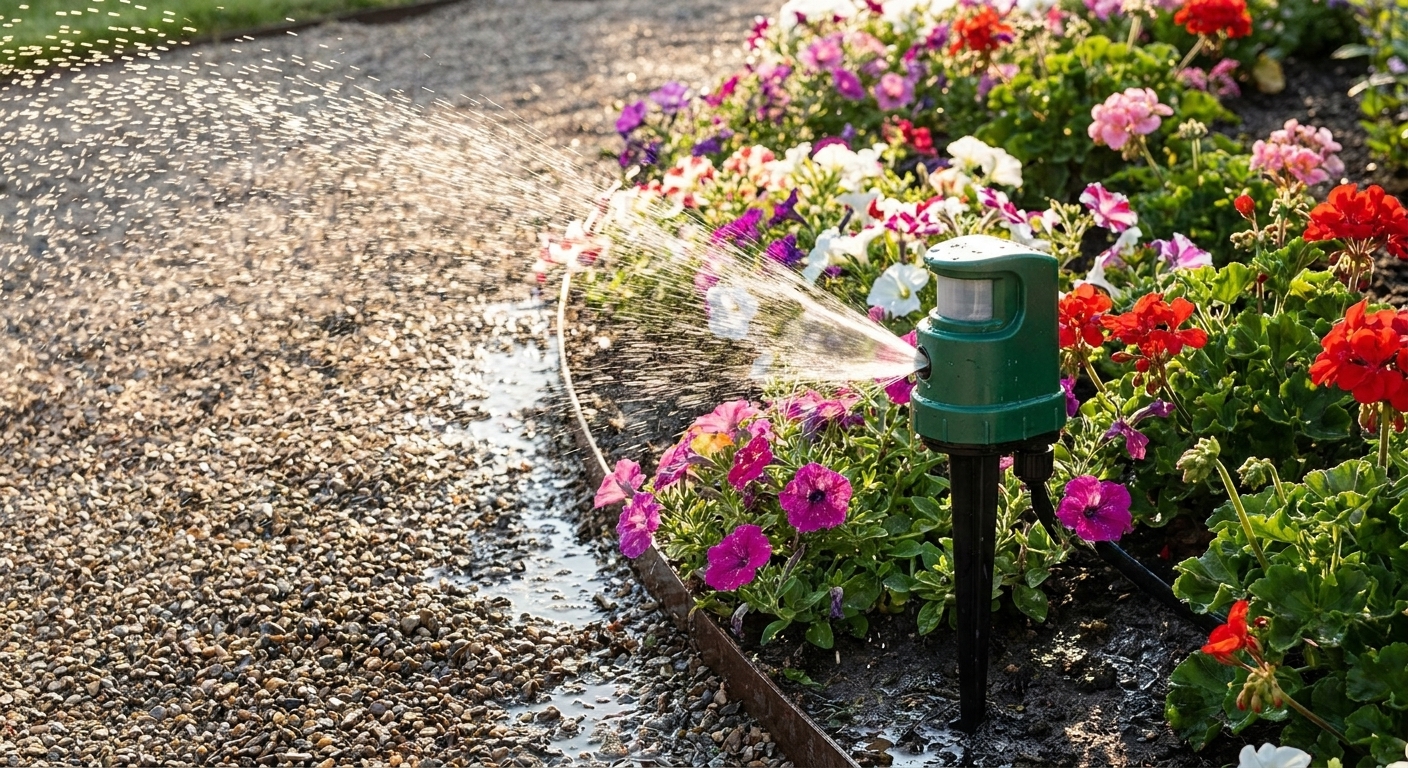
- Motion-activated sprinklers: Often effective for deer and rabbits when positioned correctly and kept on consistently. They can lose impact if animals learn the “safe path.”
- Motion lights: Mixed results. In many neighborhoods, deer treat lights like background noise after a while.
- Ultrasonic devices: Results vary widely. I treat these as “maybe helpful” but not something I would bet a flower bed on.
If you try them, pair them with at least one physical barrier or repellent so you are not relying on surprise alone.
Maintenance that makes the difference
Even good setups fail when they get sloppy. A few small habits keep your deterrents doing their job.
- Walk the fence line: Check for gaps, leaning sections, chewed spots, and washouts after storms.
- Keep the base clear: Mow or trim along the fence so rabbits cannot hide and so you can spot problems quickly.
- Watch winter conditions: Deep snow can reduce a fence’s effective height and create an easy “step up” for deer.
Quick plans for real-life situations
If rabbits are the main problem
- Install a 2 to 3 foot wire fence with the bottom buried or pinned down
- Use 1/2-inch hardware cloth if small rabbits are getting through
- Protect new transplants with small cages for the first few weeks
- Use a repellent on tender foliage during peak nibbling seasons
If deer are the main problem
- Go straight to a 7.5 to 8 foot fence if possible (8 feet is the most reliable)
- Use a double fence if full height is not realistic
- Apply repellent early in spring and again when fall browsing ramps up
If you have both (the classic combo)
- Deer-height fence plus a hardware cloth skirt at the bottom
- Cluster vulnerable plants in an inner “protected core”
- Rotate repellents and reapply after rain
FAQ
Will deer eventually eat “deer resistant” plants?
Yes, especially during drought, late winter, early spring, or high population years. “Resistant” is about preference, not a guarantee. Use it as one layer, not the whole plan.
Do homemade sprays work?
Some can, briefly, but consistency and weather resistance are usually the weak points. If you enjoy experimenting, keep it to low-stakes areas and be ready to switch to a labeled product when pressure is high.
What is the most cost-effective deterrent?
For rabbits, a simple low wire fence with the bottom secured is extremely cost-effective. For deer, the best long-term value is a tall perimeter fence, even if it is not the cheapest upfront.
How long do repellents last?
It depends on the product and weather, but plan on reapplying every couple of weeks and after heavy rain, especially when plants are putting on fresh, tender growth.
A gentle final note
If deer and rabbits are hitting your flowers, it is not a sign you are failing at gardening. It is a sign your garden is healthy, well-watered, and delicious. Start with one solid barrier upgrade this season, add one planting tweak, and keep a repellent on hand for peak pressure. Layering is what turns heartbreak into blooms you actually get to enjoy.