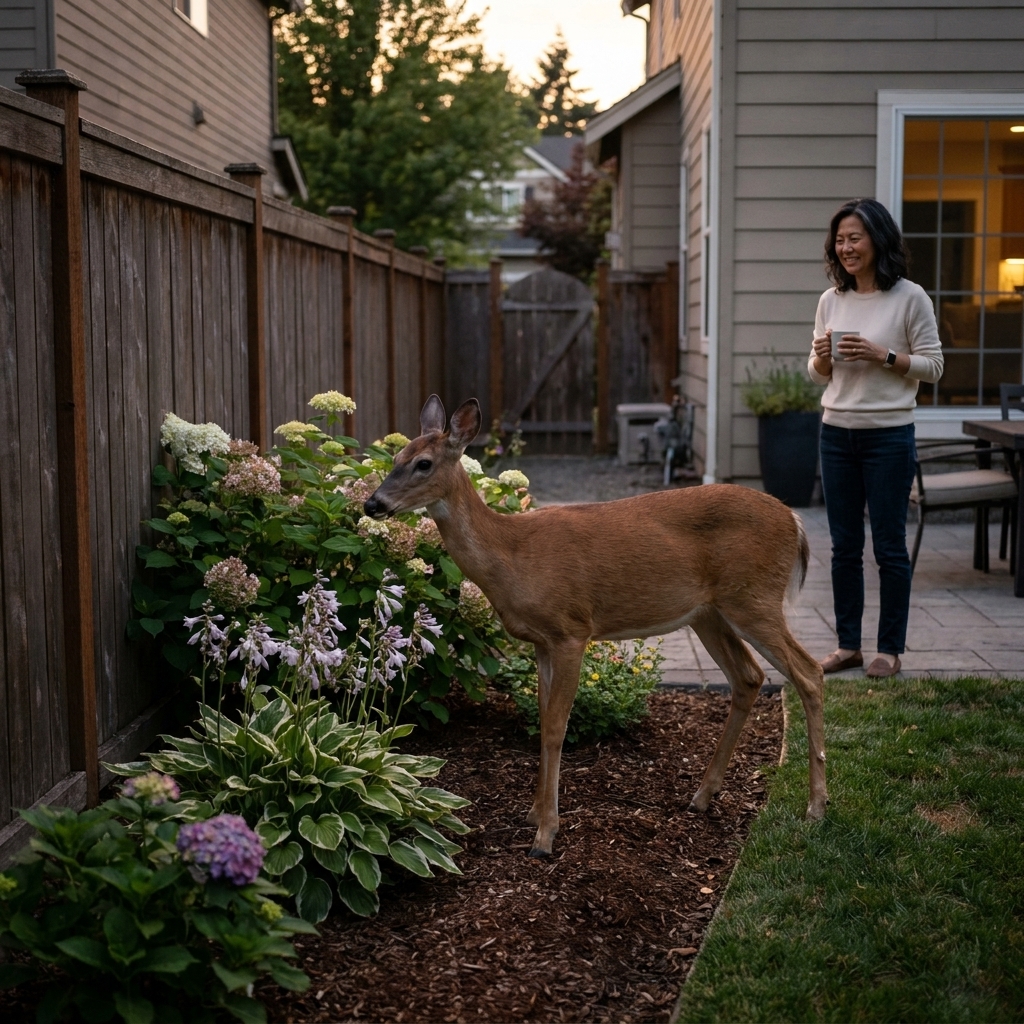
If you have ever stepped outside with your coffee, admired your garden for exactly eight seconds, and then noticed every bloom has been “taste-tested,” I see you. Deer are persistent, surprisingly athletic, and completely unimpressed by our feelings.
The good news is you do not have to choose between a pretty garden and a peaceful one. While no plant is 100 percent deer-proof (a hungry deer will absolutely try anything), many flowers and shrubs are reliably deer-resistant because they are strongly scented, fuzzy, bitter, or mildly toxic.
Below are 12 genuinely gorgeous options that tend to get a pass from deer and other nibblers, along with how to grow them so they thrive.
Before you plant
Deer resistance is not a force field. Think of it more like a menu strategy. If your yard offers mostly deer favorites (tulips, hostas, daylilies), they will keep coming back. If it is packed with plants that smell intense, taste bitter, or feel prickly, deer often move on to easier dining.
- New growth is the most vulnerable. Even resistant plants can be sampled when they are young and tender.
- Drought and winter increase browsing. When food is scarce, deer get less picky.
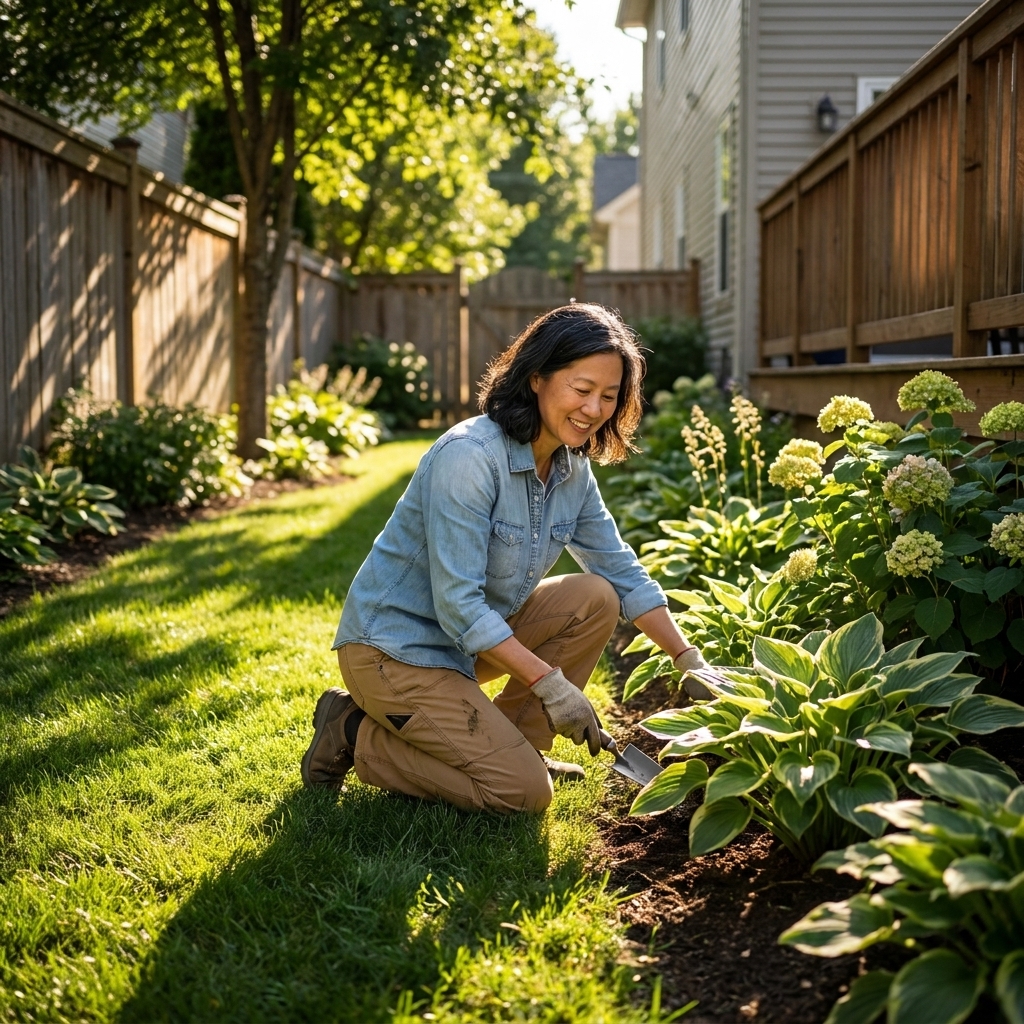
- Design matters. Use resistant plants along the garden edge as a “living fence,” then tuck more tempting plants closer to the house.
- Know your zone. A plant that is bulletproof in one climate can sulk in another. Double-check hardiness and heat tolerance before you buy a cart full.
12 deer-resistant picks
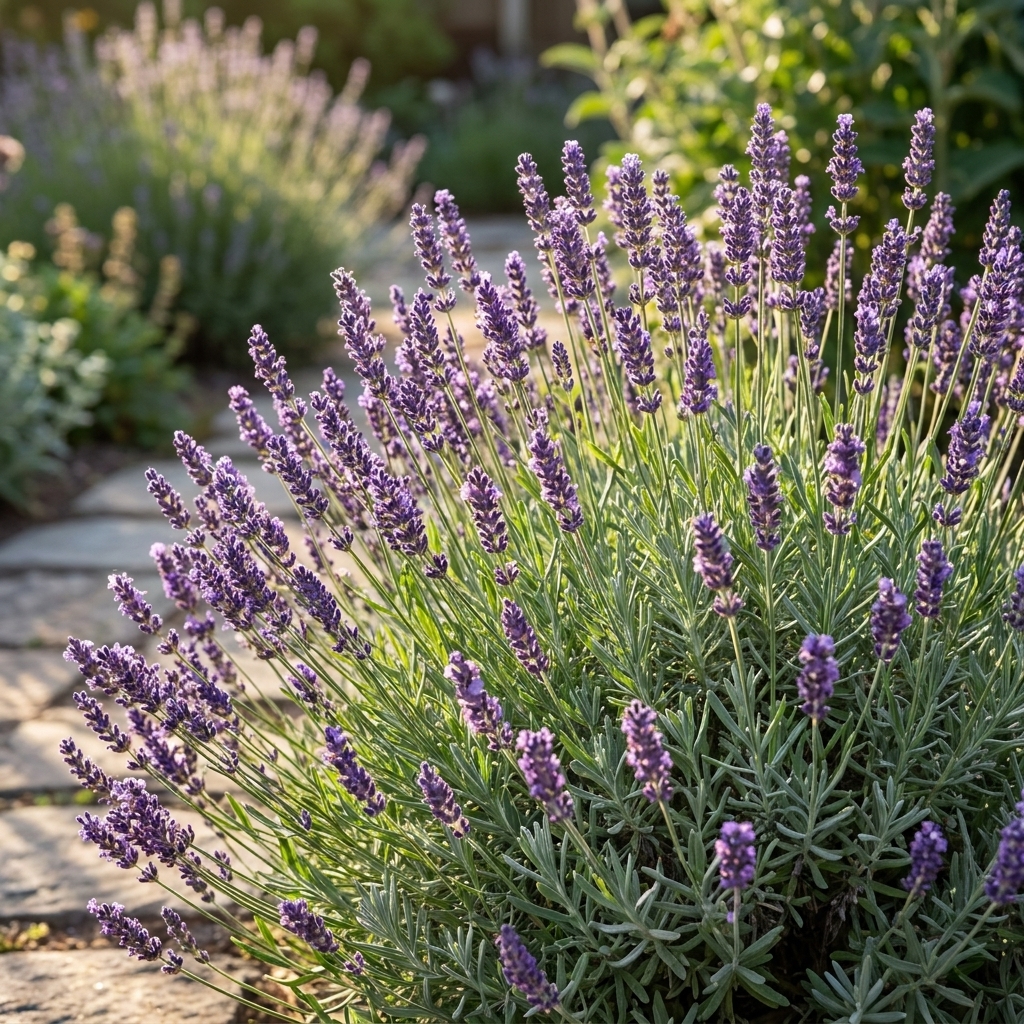
1) Lavender (Lavandula)
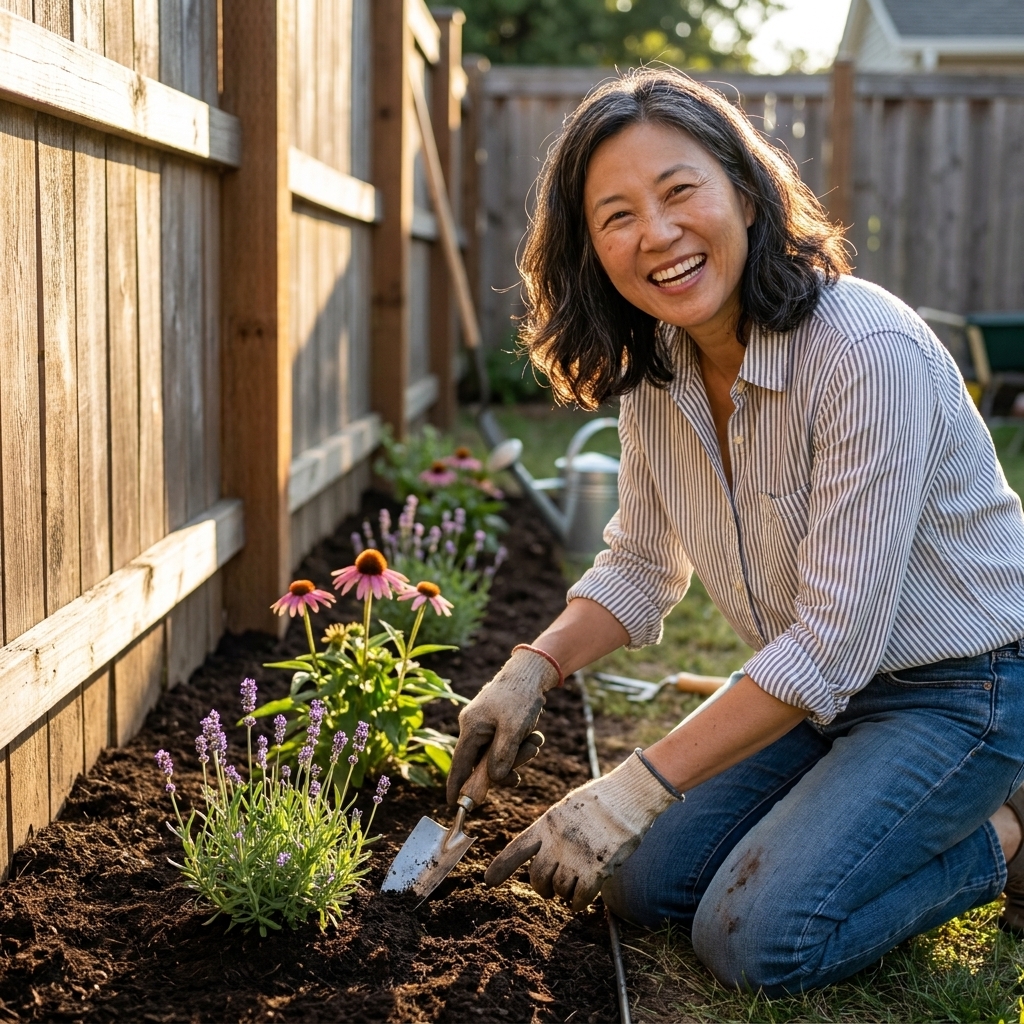
If deer had a least-favorite perfume list, lavender would be on it. The strong fragrance and silvery foliage make it a classic choice for deer-prone areas.
- Best for: Sunny borders, pathways, pollinator gardens
- Light: Full sun
- Soil: Well-drained, on the lean side (lavender hates soggy roots)
- Bonus: Drought-tolerant once established
- Zone note: Many lavenders are hardy in Zones 5 to 9, but winter performance depends on drainage and cultivar.
2) Russian sage (Salvia yangii)
This airy, lavender-blue bloomer is a workhorse in hot, sunny spots. Deer typically avoid the aromatic foliage.
- Best for: Low-maintenance perennial beds, cottage-style plantings
- Light: Full sun
- Soil: Well-drained; tolerates poor soil
- Design tip: Pair with black-eyed Susans for a long-season color combo
- Zone note: Often hardy in Zones 4 to 9; it can flop in shade or rich soil.
3) Catmint (Nepeta)
Catmint gives you that soft, cloud-like look with waves of blue-purple flowers. Deer generally skip it, and pollinators adore it.
- Best for: Edging, spilling over stone paths, filling gaps
- Light: Full sun to part shade
- Soil: Average to dry, well-drained
- Care note: Shear back after the first flush to encourage rebloom
4) Yarrow (Achillea)
Flat-topped flower clusters in cheerful colors, ferny foliage, and tough-as-nails durability. Yarrow is a reliable choice where deer pressure is high.
- Best for: Sunny borders, cut flower gardens
- Light: Full sun
- Soil: Well-drained; avoid overly rich soil to prevent flopping
- Bonus: Great dried flowers
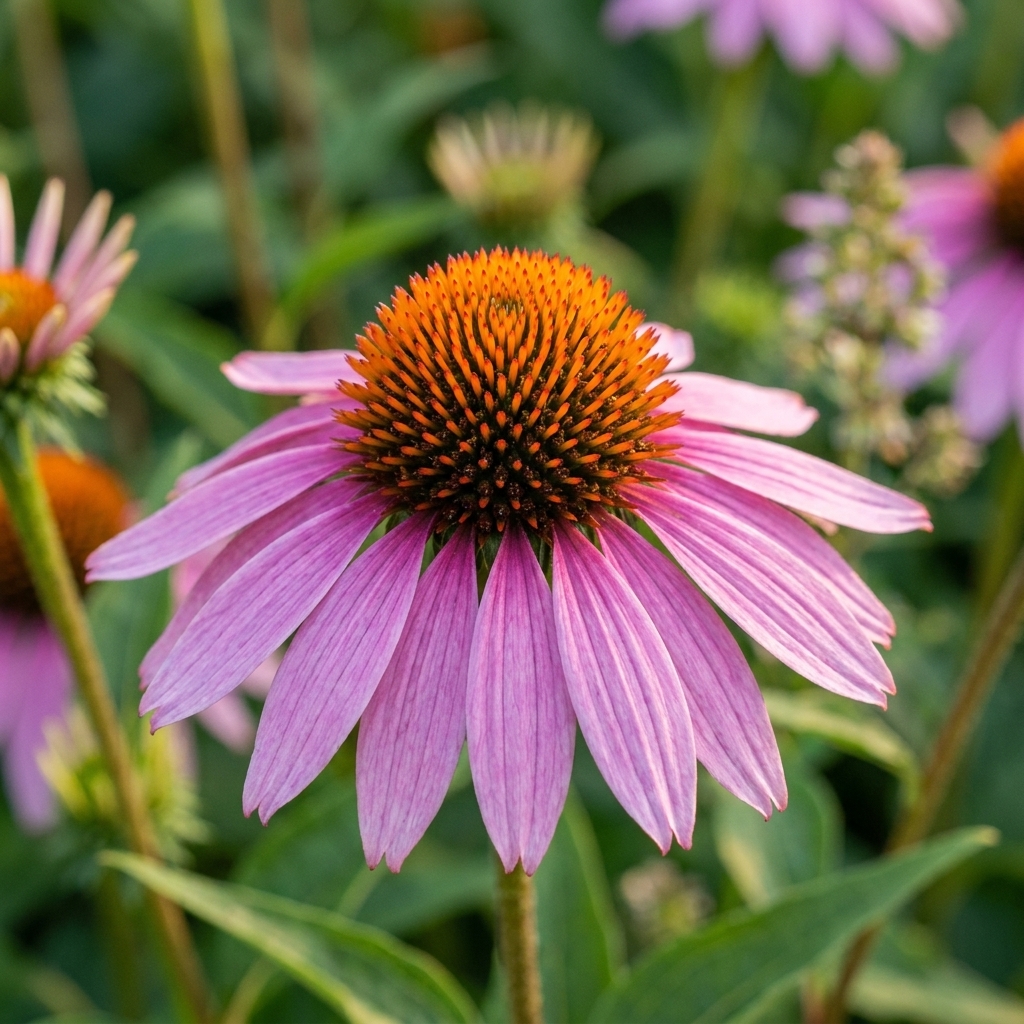
5) Coneflower (Echinacea)
Coneflowers are not always the first pick for deer, especially once established, though young plants can get nibbled. The payoff is worth it: long bloom time and serious pollinator value.
- Best for: Prairie-style gardens, wildlife-friendly beds
- Light: Full sun (tolerates part sun)
- Soil: Average, well-drained
- Protection tip: Use temporary fencing or netting during the first season if deer are bold in your area
6) Foxglove (Digitalis)
Those tall spires look like pure storybook magic. Foxglove is also toxic, which makes deer far less interested.
- Best for: Cottage gardens, part-shade borders
- Light: Part shade to sun (depends on climate)
- Soil: Moist but well-drained
- Important: Toxic if ingested. Plant thoughtfully around kids and pets.
- Life cycle note: Many foxgloves are biennial or short-lived perennials. Let a few go to seed for repeat performances.
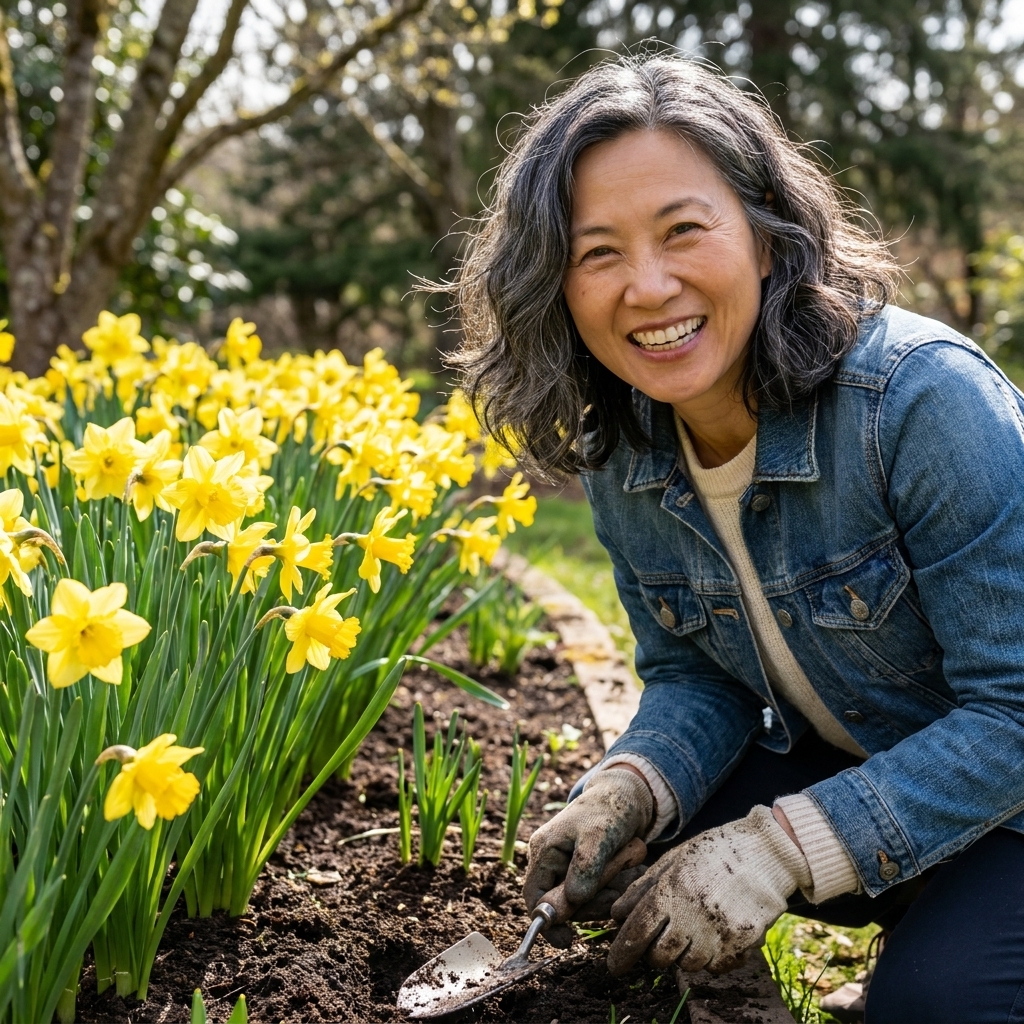
7) Daffodils (Narcissus)
If deer are eating your spring bulbs, switch to daffodils. They are toxic and typically left alone, even when deer are hungry.
- Best for: Naturalized drifts, under deciduous trees
- Light: Full sun to part shade
- Soil: Well-drained
- Planting tip: Plant in fall, about 2 to 3 times as deep as the bulb is tall
- Pet note: Daffodils are toxic to pets if chewed or eaten.
8) Allium (ornamental onion)
Alliums are basically the glamorous cousins of onions and garlic. Deer dislike the scent, and the spherical flowers add bold structure in late spring and early summer.
- Best for: Mixed borders, spring bulb displays
- Light: Full sun
- Soil: Well-drained
- Design tip: Tuck alliums among perennials that leaf out later, like hostas you are trying to protect (a little irony that sometimes helps)
- Pet note: Many alliums are toxic to dogs and cats if ingested.
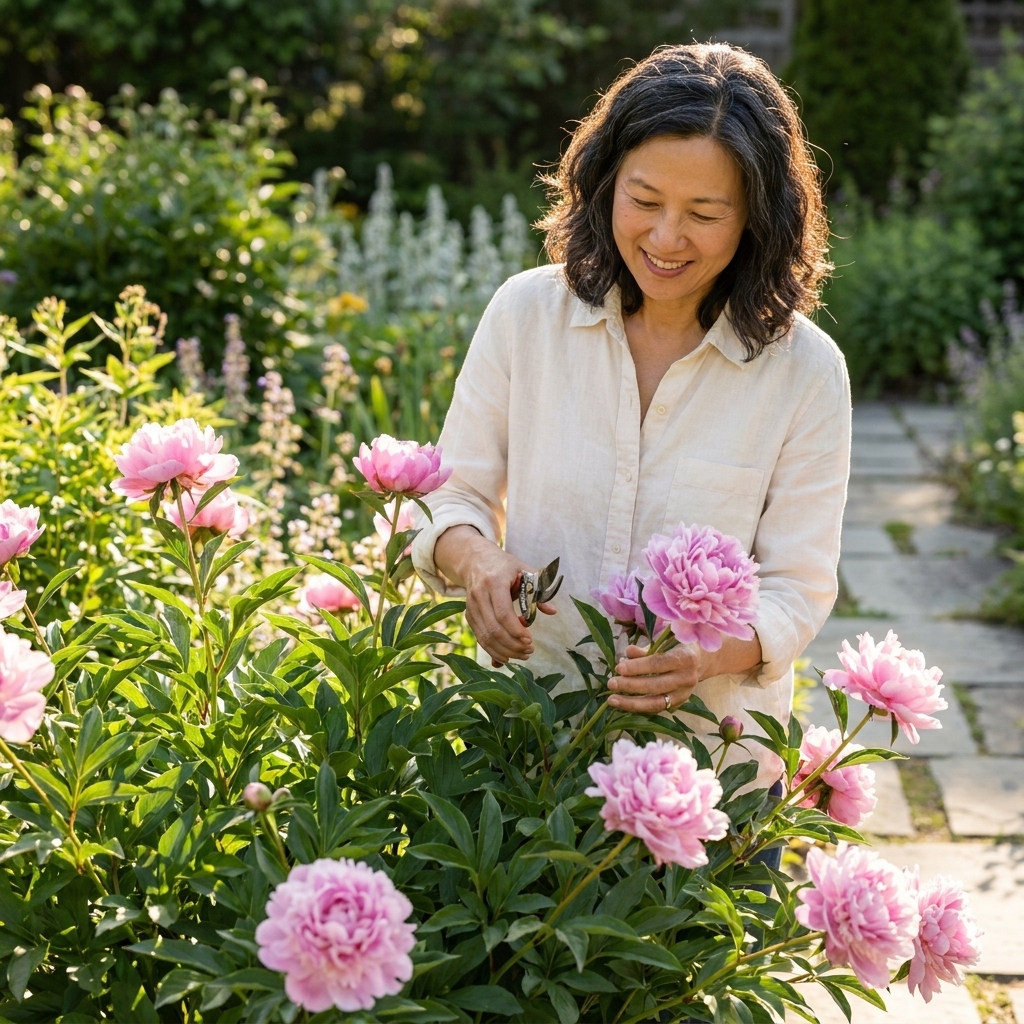
9) Peony (Paeonia)
Peonies are a classic for a reason: lush foliage, big romantic blooms, and they can live for decades. Deer usually leave them alone, especially once plants are established.
- Best for: Perennial borders, cutting gardens
- Light: Full sun to part shade
- Soil: Fertile, well-drained
- Care note: Plant crowns shallow. Too deep can mean lots of leaves and no flowers.
10) Bleeding heart (Lamprocapnos spectabilis)
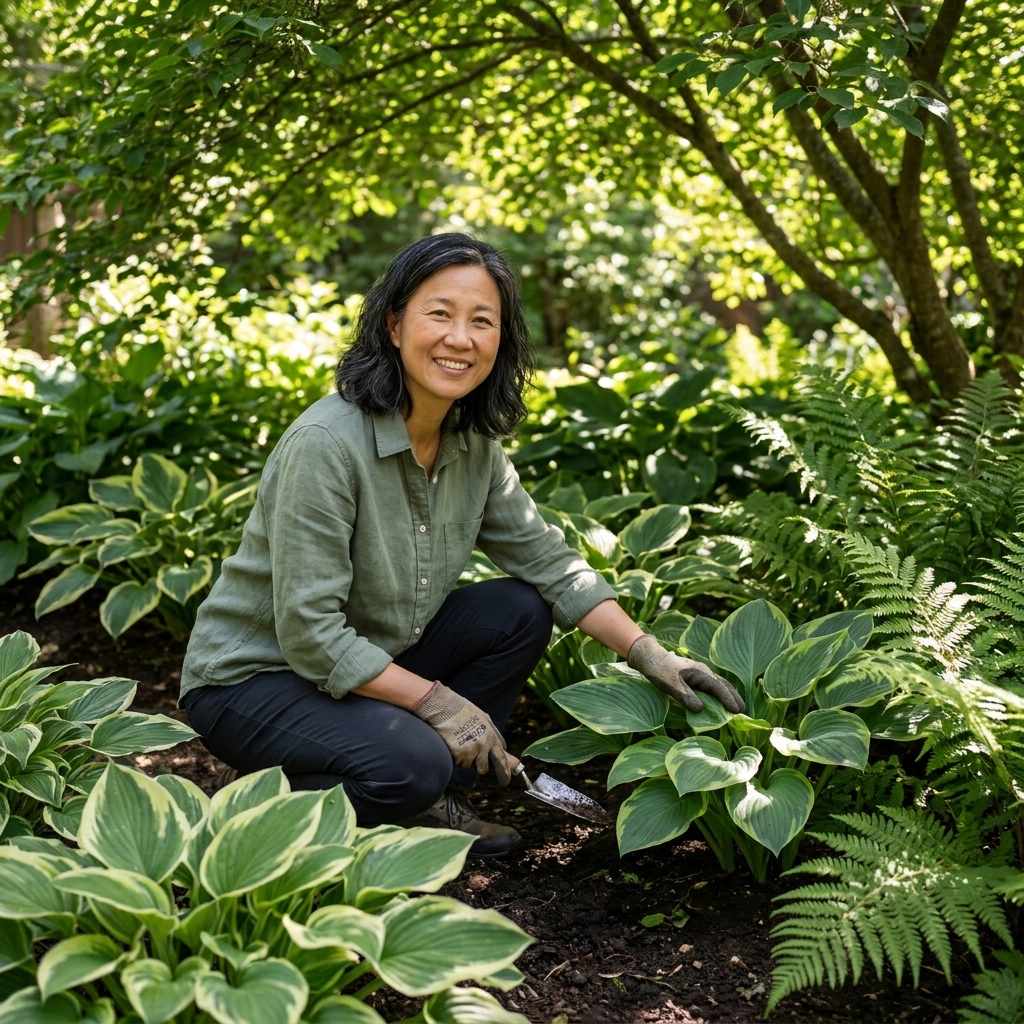
Bleeding heart is one of the prettiest shade-friendly perennials, with heart-shaped blooms that dangle like tiny lanterns. It is also generally deer-resistant, likely because it contains bitter or toxic compounds that make it less appealing.
- Best for: Shade gardens, woodland edges
- Light: Part shade to shade
- Soil: Moist, rich, well-drained
- Season note: Many varieties go dormant in summer heat, so pair with ferns or other shade plants that can fill in
11) Boxwood (Buxus)
Not a flower, but a deer-resistant shrub that earns its spot. Boxwood helps you build structure, define paths, and create a buffer around more delicate plantings.
- Best for: Foundation plantings, low hedges, evergreen structure
- Light: Sun to part shade
- Soil: Well-drained; do not let roots sit wet
- Practical tip: Choose disease-resistant cultivars suited to your region and give good airflow
- Reality check: In harsh winters or high-pressure areas, deer may still browse boxwood, especially tender new growth.
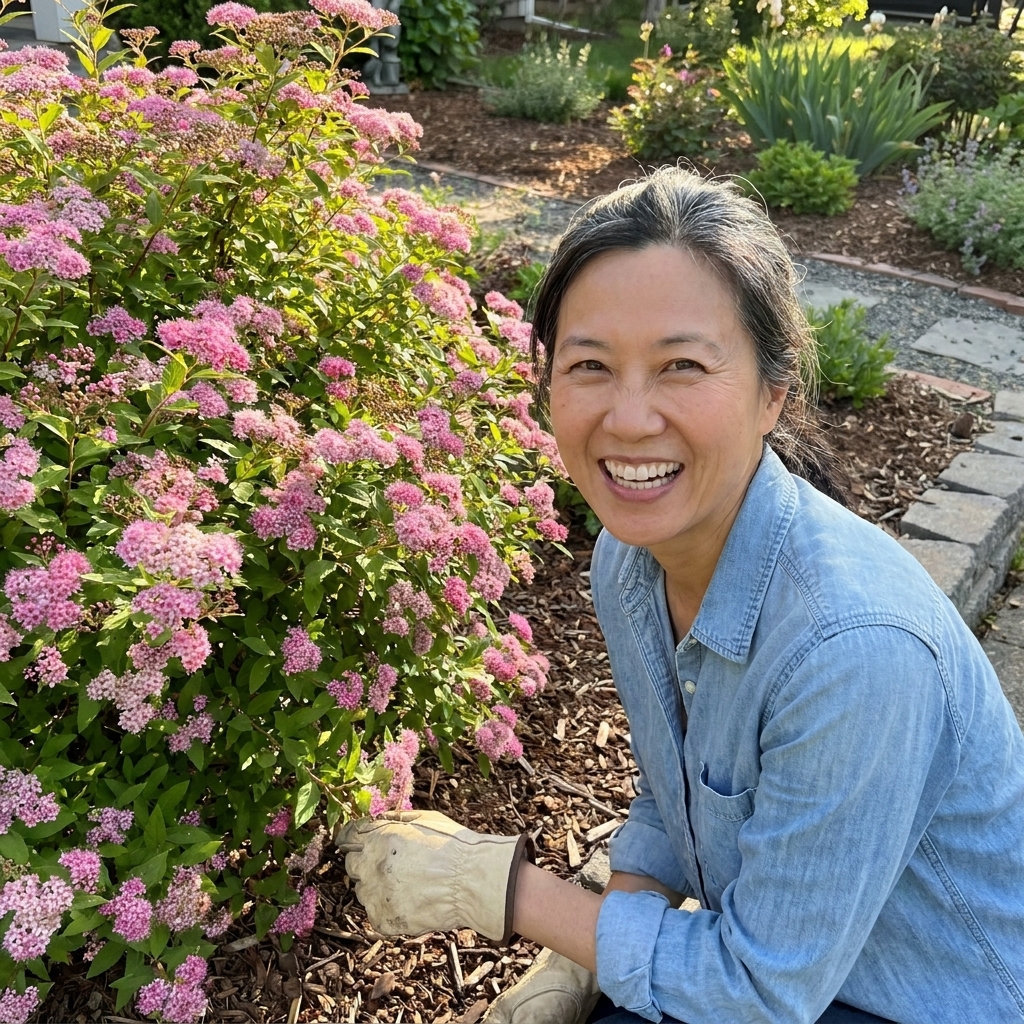
12) Spirea (Spiraea)
Spirea is a flowering shrub that brings reliable blooms and colorful foliage with minimal fuss. Deer often pass it by, though browsing can happen depending on cultivar and how hungry your local herd is.
- Best for: Mixed shrub borders, low-maintenance landscapes
- Light: Full sun for best flowering (part shade tolerated)
- Soil: Adaptable, prefers well-drained
- Care note: A light prune after flowering can encourage fresh growth and keep it tidy
- Local note: Some shrubs can be regionally overused or problematic. If you are planting near natural areas, check local guidance and choose well-behaved cultivars.
Make them work better
Plant choice is step one. Garden strategy is step two, and it is where you can get a lot of extra protection without harsh chemicals.
Use border guards
Deer often browse as they move along the edge of a property. Line the perimeter of beds with aromatic or fuzzy-leaved plants like lavender, catmint, and Russian sage.
Mix textures and scents
Monocultures are easy for deer. A mixed planting with strong-smelling herbs, alliums, and tougher foliage reduces browsing.
Protect new plants for 4 to 6 weeks
If deer are regular visitors, give young plants a head start. Short-term options include:
- Temporary fencing (a 3 to 4 foot barrier can help in small beds with light deer pressure, but it is not reliable where deer are bold; for true exclusion, taller fencing is typically needed)
- Plant cages made from wire mesh around individual plants
- Repellents as a short-term bridge while plants establish (reapply after rain and follow label directions)
Water and mulch consistently
Stressed plants can be slower to recover from nibbling. A simple 2- to 3-inch layer of mulch and deep, infrequent watering makes your garden more resilient.
Quick FAQs
What is the most deer-resistant flower?
In most gardens, daffodils, alliums, and lavender are among the most consistently avoided. They are strongly scented and/or toxic, which helps.
Will deer ever eat deer-resistant plants?
Yes. In drought, winter, or in areas with heavy deer populations, they may sample almost anything. That is why combining plant selection with smart layout and short-term protection works best.
Do these plants also deter rabbits?
Many do, especially the aromatic ones like lavender, catmint, and Russian sage. Rabbits can still be persistent with young growth, so keep an eye on new plantings.
Are any of these risky around pets?
Yes. Foxglove and daffodils are well-known hazards if eaten, and many alliums can be toxic to dogs and cats. If pets are enthusiastic chewers, place these where they cannot snack, or choose pet-safer options for that area of the yard.
One last reminder
If deer have been treating your yard like their personal buffet, you have not failed. You are just gardening in a place where wildlife is very enthusiastic. Start by swapping in a few of the plants above, protect the babies while they settle in, and build out from there.
Your garden can be both beautiful and a little less snackable. And if you see me outside muttering at the fence line, Barnaby the golden retriever will be nearby pretending he did not notice the deer either.