Bone meal and blood meal sound like they belong in a medieval apothecary, but in the garden they are simply two concentrated, animal-based organic fertilizers that solve different problems. If you have ever sprinkled one with high hopes and then wondered why your roses still sulked, you are not alone. The trick is matching the nutrient to the moment your plant is actually asking for it.
Think of blood meal as a fast, leafy growth push, and bone meal as a slower, root and bloom builder. Used well, they can be wonderfully effective. Used at the wrong time, they can invite pests, throw off your soil balance, or give you a jungle of leaves with very few flowers.
One more grounding truth before we dive in: flowering and fruiting are not just about fertilizer. Light, variety, temperature, pruning, watering consistency, and overall soil health all get a vote.
What they are and what they feed
Bone meal
Bone meal is typically made from cooked, dried, and ground animal bones. It is best known for phosphorus, plus some calcium. Phosphorus supports root growth, flowering, and fruit development.
- Typical NPK: often around 3-15-0, with many products in the neighborhood of 2 to 4% N and 10 to 16% P (varies by brand)
- Speed: slow to moderate, works as soil microbes break it down
- Best for: bulbs, flowering perennials, fruiting crops, new transplants that need root support
Blood meal
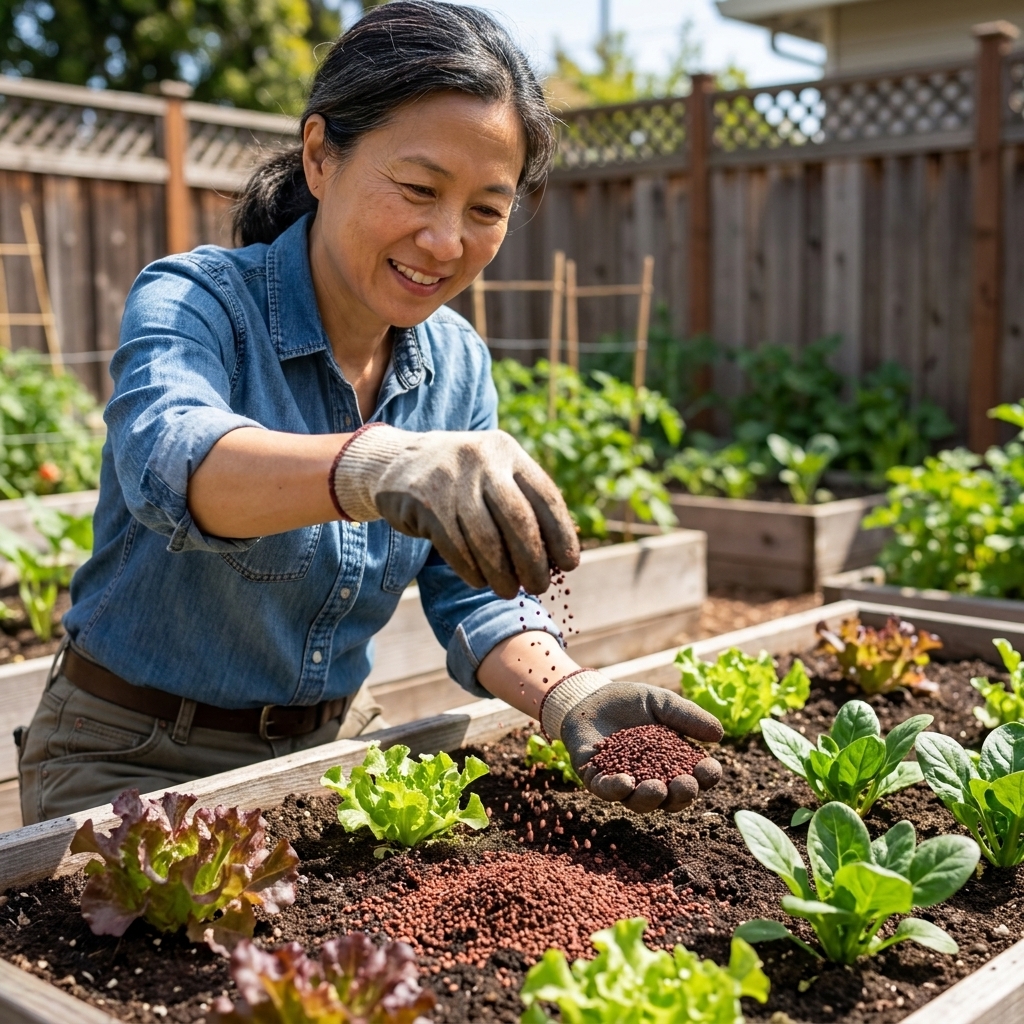
Blood meal is dried, powdered animal blood. It is prized for being a concentrated organic source of nitrogen, the nutrient that drives leaf and stem growth.
- Typical NPK: often around 12-0-0, with many products in the range of 10 to 14% N (varies by brand)
- Speed: fairly quick acting for an organic amendment
- Best for: nitrogen-hungry leafy greens, lawns, and plants that look pale or stalled from low nitrogen
If you remember one thing: phosphorus helps roots and blooms; nitrogen helps foliage.
Bone meal vs. blood meal at a glance
- Use bone meal when you want: stronger roots, better blooming, better fruiting, help at planting time.
- Use blood meal when you want: greener leaves, faster vegetative growth, a quick fix for nitrogen deficiency.
- Big risk with bone meal: can be less effective when soil pH makes phosphorus hard for plants to access, and it can overdo phosphorus if you apply it blindly.
- Big risk with blood meal: can burn plants or push too much leaf growth at the expense of flowers and fruit.
When to use bone meal
1) At planting time
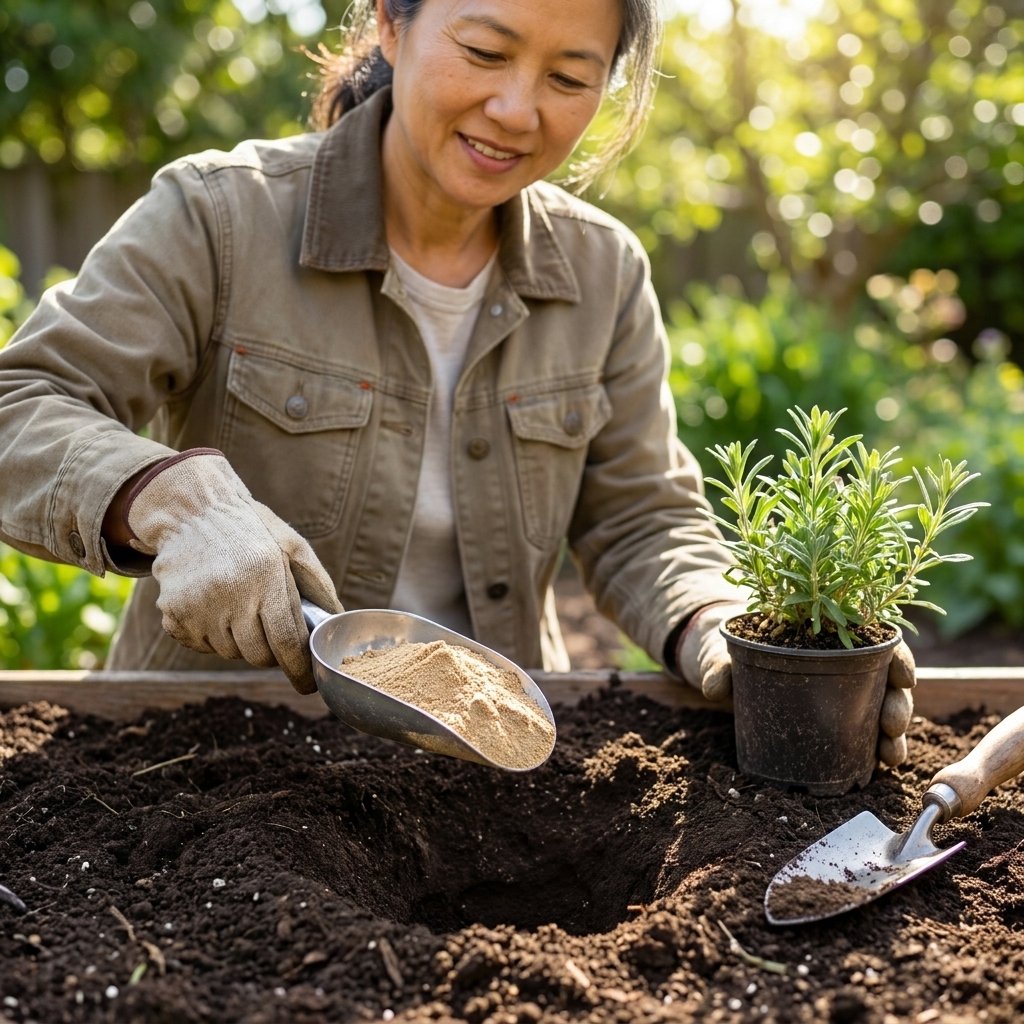
Bone meal shines when you tuck it into the planting hole or mix it into the surrounding soil. This places phosphorus where new roots will actually find it.
- Great candidates: tulips, daffodils, lilies, dahlias, iris, peonies, roses, hydrangeas, flowering shrubs
- Timing: fall for spring bulbs, spring for summer bulbs and new perennials
2) For new transplants
If you are setting out tomatoes, peppers, or perennials and you want them to settle in calmly rather than sprinting into floppy top growth, a modest dose of bone meal can help with root establishment.
3) For sluggish bloomers
Lots of leaves but few flowers can be many things, including too much nitrogen, low light, or pruning timing. But if your soil test shows low phosphorus, bone meal can be part of the fix.
Reality check: Bone meal is not a magic “more blooms” dust. If your soil already has adequate phosphorus, adding more will not coax extra flowers, and it can interfere with the uptake of other nutrients.
When to use blood meal
1) Early season growth
Blood meal is most useful when plants are building their green framework. That is early spring for many ornamentals and the first half of the season for vegetables.
- Great candidates: lettuce, kale, spinach, chard, brassicas, corn, lawns, many houseplants during active growth
- Timing: spring and early summer, then ease off as flowering and fruiting begin
2) When plants look pale
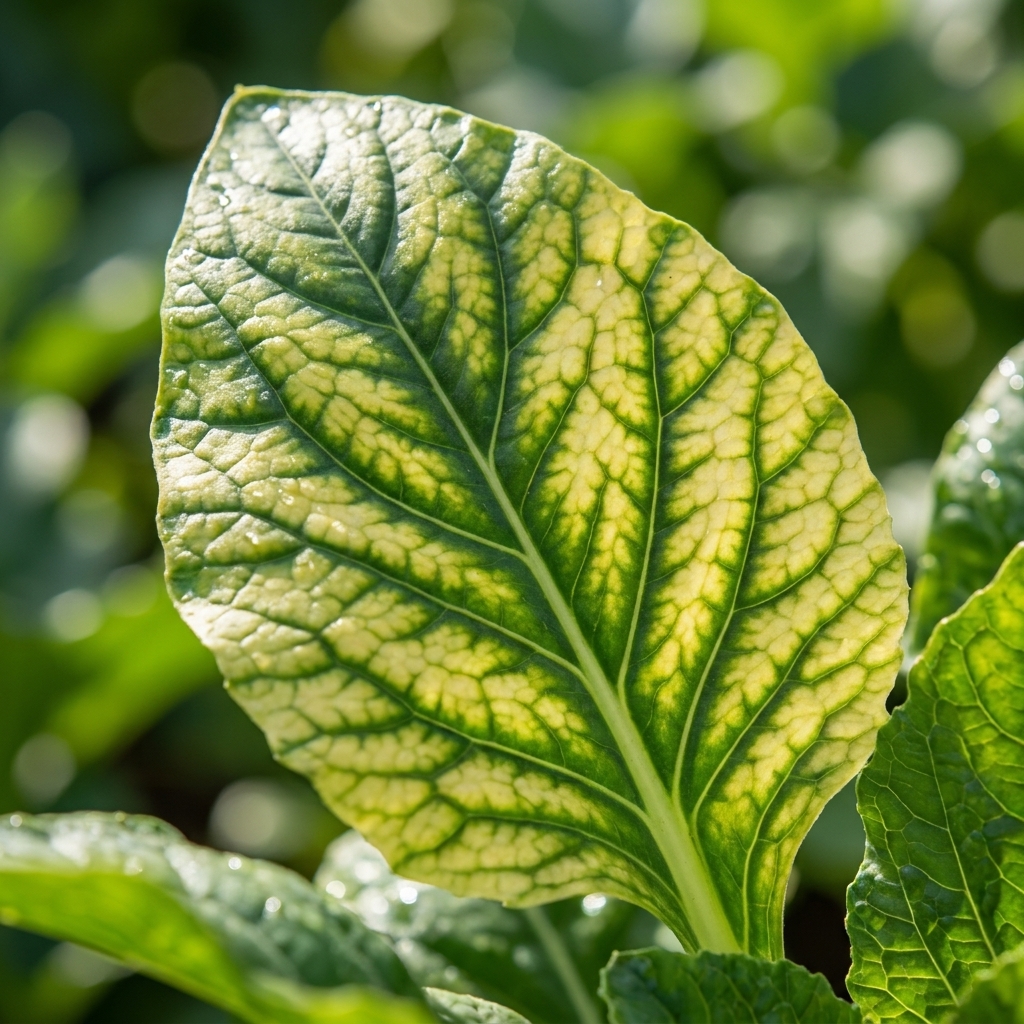
Yellowing older leaves and overall weak growth can point to nitrogen deficiency, especially after heavy rains that leach nutrients. That said, similar symptoms can also come from cold soil, watering problems, root stress, or pests. If the basics check out, a light application of blood meal can green things up.
3) After repeated harvesting
Cut-and-come-again greens, basil, and other plants you harvest repeatedly may appreciate a small nitrogen boost to keep producing.
Reality check: If your tomatoes are already leafy and dramatic, blood meal is the last thing they need. That is how you get a gorgeous plant that forgets it was supposed to make dinner.
How to apply without drama
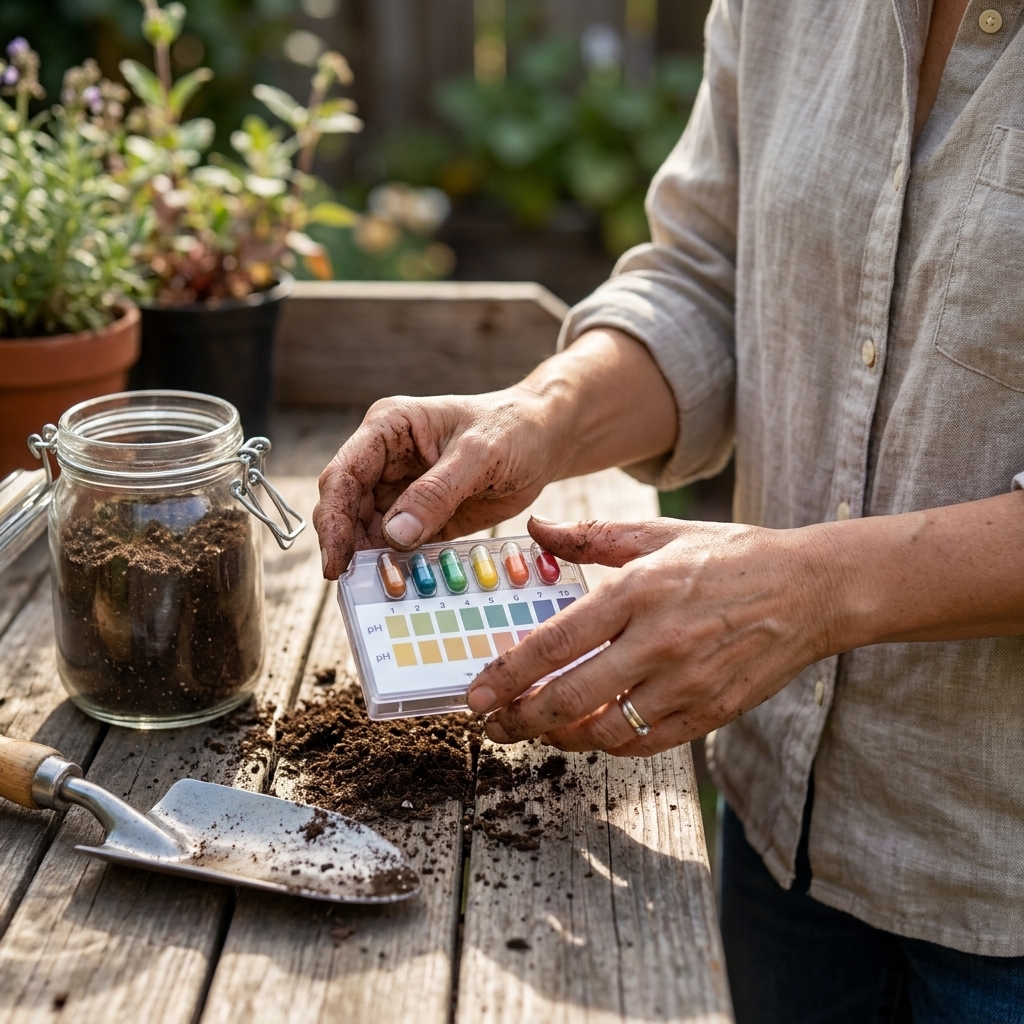
Start with a soil test
Phosphorus tends to accumulate in soil over time, so bone meal is the one I am most careful with. A basic soil test tells you whether you actually need phosphorus or nitrogen, and it keeps you from fertilizing out of guilt.
Ballpark amounts
Always follow your product label, but if you want a practical starting point, these are conservative, home-garden ballparks:
- Bone meal: about 1 to 2 tablespoons per planting hole for small transplants or bulbs, or roughly 2 to 3 pounds per 100 square feet worked into the top few inches of soil.
- Blood meal: about 1 tablespoon per 2 square feet (or 1 to 2 pounds per 100 square feet) scratched in and watered well.
If you are nervous, you are wise. Start at the low end, wait 10 to 14 days during active growth, then decide whether to repeat.
General tips
- Bone meal: mix into the planting hole or top few inches of soil, then water in. Avoid leaving it sitting on the surface where curious animals can sniff it out.
- Blood meal: apply lightly, scratch into the soil surface, and water well. More is not better. Too much nitrogen can burn roots and foliage.
Watering matters
Both amendments need moisture to start moving into the soil biology and root zone. Water after application, and keep the soil evenly moist in the week that follows if weather is dry.
Keep it off stems and leaves
Concentrated fertilizers can irritate tender plant tissue. Sprinkle around the drip line, not against the crown.
Results you can expect
With bone meal
- Steadier establishment and stronger root systems
- Improved flowering and fruiting over time when phosphorus is truly limiting
- Benefits that show up gradually, not overnight
With blood meal
- Faster green growth and deeper leaf color
- Noticeable response within 7 to 14 days in active growth periods
- More vigorous leafy vegetables and a quicker lawn green-up
If you mix them up
- Too much blood meal late in the season: lush foliage, fewer flowers and fruit, increased pest pressure on tender growth
- Too much bone meal “just in case”: excess phosphorus, nutrient imbalances, and wasted money
Soil pH and phosphorus
Here is the catch with phosphorus: it is most available to plants in a moderate pH range. In alkaline soils (higher pH), phosphorus can bind up with calcium compounds. In very acidic soils (lower pH), it can bind with iron and aluminum. Either way, you can have phosphorus in the ground that your plants cannot easily use.
Bone meal can still break down over time, but if your pH is far from ideal, it may be slower or less effective than you hoped. This is where a soil test earns its keep. If pH is the real issue, adjusting pH gradually and building soil organic matter often does more than adding another bag of phosphorus.
Blood meal is less sensitive to pH in terms of basic usefulness, but it still performs best in biologically active soil with steady moisture.
Pets, pests, and safety
Animals may dig
Dogs in particular may dig where bone meal or blood meal has been applied. If you have a Barnaby-type helper at home, mix amendments into the soil rather than leaving them on top, and consider fencing freshly amended beds for a few days.
If pets try to eat it
These products are not treats. If a dog gets into bone meal or blood meal, it can cause stomach upset, and bone meal in particular can be constipating for some pets. If you suspect a significant ingestion, call your veterinarian for guidance.
Food garden basics
Use reputable, bagged products intended for garden use. Follow label directions carefully, wear gloves, and wash hands after application. Avoid breathing dust.
Over-fertilizing is the main plant risk
Blood meal is potent. If you have ever “fixed” a plant into a crisp, you have felt this firsthand. When in doubt, apply half the recommended amount and observe for 10 to 14 days.
Common mistakes
Using blood meal for blooms
Fix: Switch to a balanced approach: compost for steady nutrition, and only add phosphorus (bone meal) if your soil test indicates it is low. Also check sunlight. Most bloomers want more light than we think.
Adding bone meal every season
Fix: Test soil every couple of years, especially in beds you fertilize regularly. Phosphorus is not something you want to pile up.
Applying on dry soil
Fix: Scratch it in and water. Microbes and roots need moisture to do their part.
Trying to rescue a failing plant
Fix: Pause and diagnose. Many “nutrient problems” are actually watering issues, compacted soil, root damage, or pests. Fertilizer can compound stress.
Can you use both?
Sometimes, yes, but it should be intentional. A common scenario is a new bed with very low organic matter and a soil test showing both low nitrogen and low phosphorus. In that case, you can use small, measured amounts of each, ideally mixed thoroughly into the soil and followed with compost.
For most home gardens, I prefer a simpler rhythm:
- Compost as the steady baseline.
- Blood meal as a targeted spring boost for leafy growth if needed.
- Bone meal mainly at planting time for bulbs and new transplants, or when a test confirms low phosphorus.
Soil tests matter
Soil tests are not just about your plants. Excess phosphorus can contribute to runoff that fuels algae blooms in waterways. If you garden anywhere near a storm drain, creek, pond, or lake, this matters. Testing helps you feed what is needed, and not what will simply wash away.
Quick FAQs
Which is better for roses?
Usually bone meal is the more appropriate of the two, especially at planting time or if your soil is low in phosphorus. Too much blood meal can push leafy growth and reduce flowering.
Which is better for tomatoes?
Early on, tomatoes need nitrogen to grow, but many gardens already have enough. If your plants are pale and slow, a small amount of blood meal can help. For flowering and fruiting, focus on consistent watering, mulch, and overall balanced nutrition. Bone meal can be useful at transplant time if phosphorus is low.
How fast do they work?
Blood meal typically works faster, often noticeable within 7 to 14 days during active growth. Bone meal is slower and more subtle, especially in cool soils.
Can they burn plants?
Blood meal can burn if overapplied. Bone meal is less likely to burn, but it can still cause nutrient imbalance if used excessively.
The simple takeaway
If you are choosing between the two, pick the one that matches your plant’s current goal:
- Need leaves and greener growth? Choose blood meal, go lightly, and use it early.
- Need roots, blooms, or better fruit set? Choose bone meal, work it into the soil, and be mindful of soil pH and existing phosphorus.
And if you are feeling unsure, compost is the kind, steady friend that rarely gets you into trouble. Every seasoned gardener I know has learned that the hard way, usually right after an enthusiastic overfeeding.