Every garden has at least one “mystery corner” where the sun clocks out early, the lawn thins, and you start eyeing a plastic flamingo out of sheer desperation. The good news is that shade is not a problem to solve. It is a design style.
The trick is choosing perennials that naturally evolved for woodland light and pairing them with soil that holds moisture without turning into a swamp. Below are 15 resilient shade-loving perennials that can turn low-light areas into the coolest part of your yard.
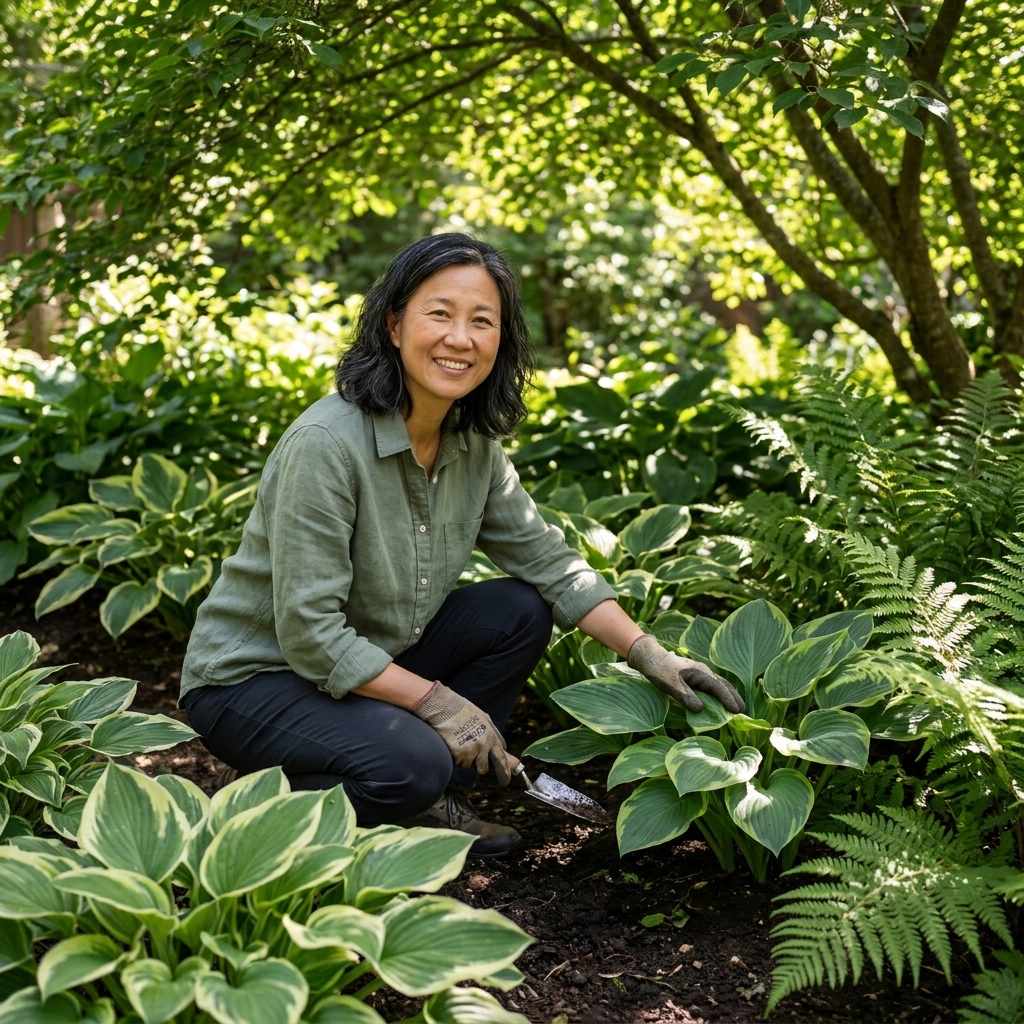
Before you plant: what shade means
Most shade plants are not asking for darkness. They want gentle light and steadier moisture. Use these quick definitions when you read plant tags:
- Full shade: About 2 to 3 hours of direct sun or less, or bright filtered light all day (north side of a house, deep under evergreens).
- Part shade: 3 to 6 hours of sun, usually morning sun with afternoon shade.
- Dappled shade: Shifting sun spots under deciduous trees. This is the “goldilocks” shade for many perennials.
Quick truth about flowers: Many shade perennials will live in full shade, but they usually bloom best in bright shade or part shade. If you want more flowers, give your “shade” plants a little more light.
Soil reality check: Dry shade under trees is the toughest condition. In that setting, improving soil and mulching matters as much as plant choice.
Shade soil basics
Shady beds often stay cooler and moister, but roots from trees and shrubs can still steal water. Set your perennials up for success:
- Loosen and enrich: If soil is compacted or poor, mix 2 to 4 inches of compost into the top 6 to 8 inches of soil where you can. If your soil is already decent (or you are working around major tree roots), top-dress with 1 to 2 inches of compost instead of digging aggressively.
- Mulch like you mean it: Add 2 to 3 inches of shredded leaves or bark mulch to hold moisture and buffer temperature swings.
- Water deeply the first season: Most “drought tolerant in shade” plants still need regular watering while establishing.
- Skip heavy fertilizer: Many shade perennials prefer moderate fertility. Too much nitrogen can mean floppy growth and fewer flowers.
- Watch winter-wet shade: In low spots or clay soil, winter moisture can be more dangerous than summer shade. Improve drainage or choose plants that tolerate consistently moist conditions.
15 shade-loving perennials
1) Hosta (Hosta spp.)
Why it transforms shade: Big, reliable foliage in blues, chartreuse, and variegations that brighten dim corners like living lanterns.
- Light: Part shade to full shade (morning sun is fine; hot afternoon sun can scorch).
- Soil: Moist, well-drained, compost-rich; slightly acidic to neutral is ideal.
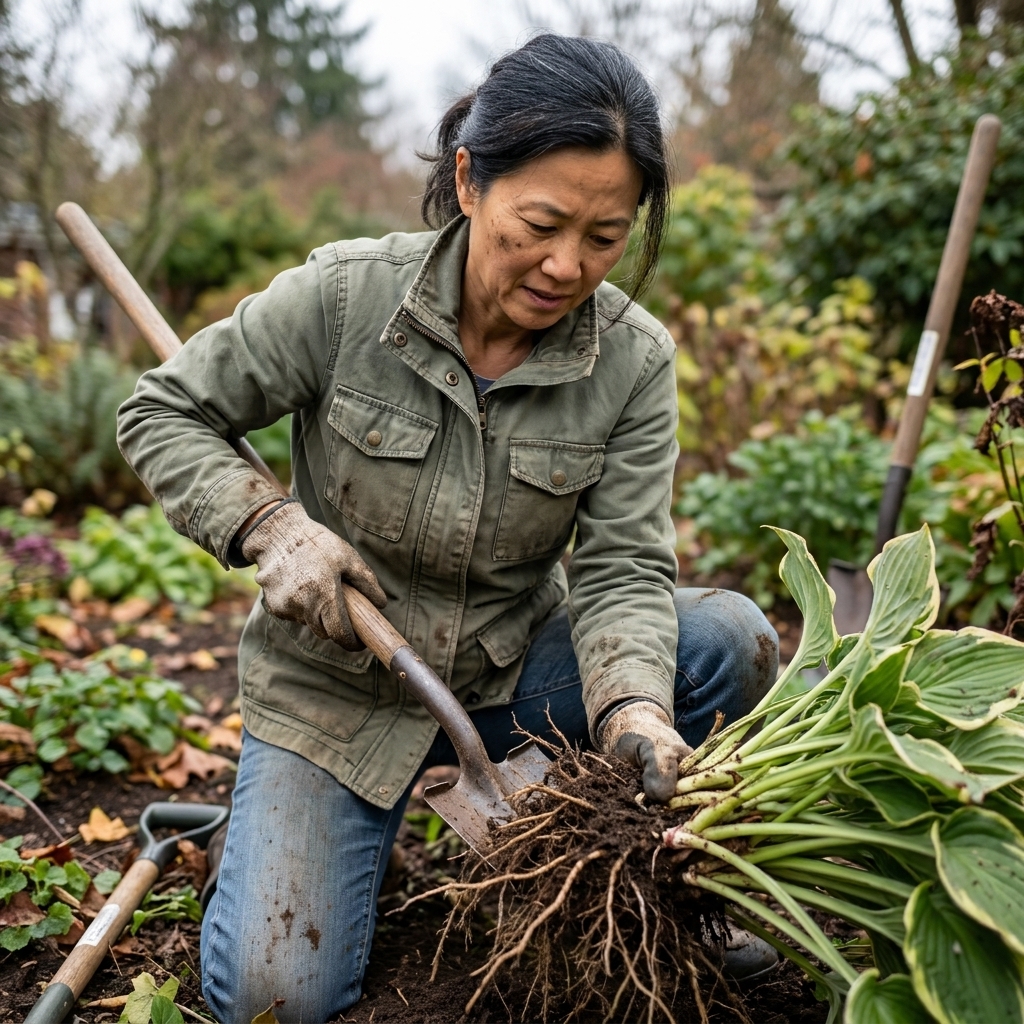
- Planting tip: Give each plant breathing room. Hostas bulk up over time and look best in generous drifts.
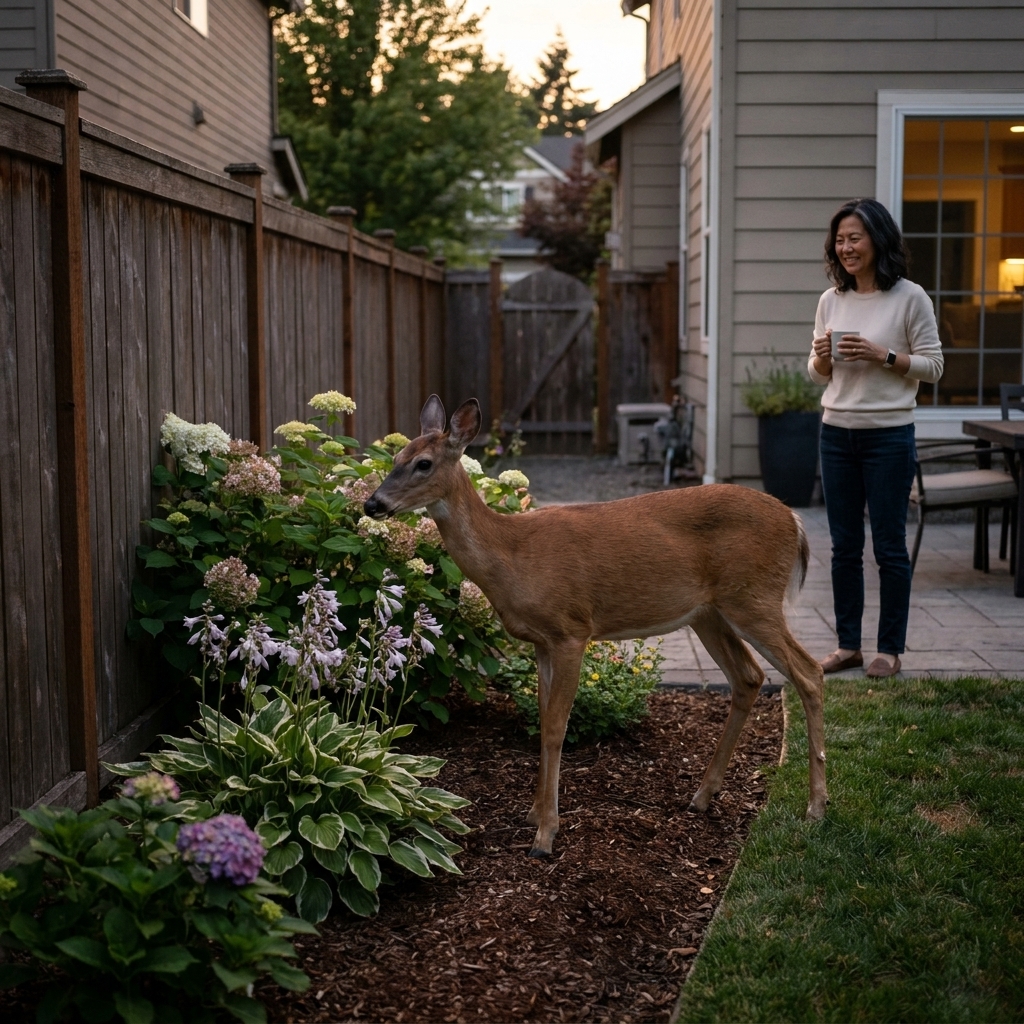
- Watch for: Slugs and deer. If slugs are a problem, water in the morning, remove dense hiding places (boards, heavy leaf piles), and use iron phosphate bait as needed.
2) Japanese painted fern (Athyrium niponicum)
Why it transforms shade: Silvery fronds with burgundy veins that read as “color” even when flowers are scarce.
- Light: Part shade to full shade.
- Soil: Evenly moist, humus-rich, well-draining.
- Planting tip: Tuck it near paths or seating where you can appreciate the metallic detail.
- Zones: Often hardy in USDA zones 4 to 8 (varies by cultivar).
3) Lady fern (Athyrium filix-femina)
Why it transforms shade: Soft, arching texture that makes everything around it look more intentional.
- Light: Part shade to full shade.
- Soil: Moist, fertile soil; tolerates heavier soils better than many ferns if drainage is decent.
- Planting tip: Mass them for a lush, woodland feel. They play beautifully behind lower plants like heuchera.
- Zones: Commonly hardy in zones 3 to 8.
4) Astilbe (Astilbe spp.)
Why it transforms shade: Feathery flower plumes in pink, red, lavender, and white, plus ferny foliage that looks tidy even when not blooming.
- Light: Part shade is best for flowering; in full shade it can grow, but blooms may be lighter.
- Soil: Moist, rich soil is a must. Dry soil equals crispy astilbe.
- Planting tip: Mulch well and do not let them dry out in their first summer.
- Zones: Many are hardy in zones 4 to 8.
5) Coral bells (Heuchera spp.)
Why it transforms shade: Foliage color for months: caramel, lime, purple-black, silver, and marbled combinations.
- Light: Part shade; many varieties tolerate more sun in cooler climates.
- Soil: Well-drained soil with organic matter. Avoid soggy spots in winter.
- Planting tip: Plant the crown at soil level. Heuchera can “heave” in freeze-thaw cycles, so a light winter mulch helps.
- Zones: Commonly hardy in zones 4 to 9 (check cultivar).
6) Foamflower (Tiarella cordifolia)
Why it transforms shade: A sweet woodland groundcover with airy spring flowers and attractive, often veined leaves.
- Light: Part shade to full shade.
- Soil: Moist, humus-rich, well-drained.
- Planting tip: Let it knit between bigger plants. It helps shade the soil surface and reduces weeding.
- Zones: Often hardy in zones 3 to 8.
7) Brunnera, Siberian bugloss (Brunnera macrophylla)
Why it transforms shade: Heart-shaped leaves, often silvered, plus tiny blue spring flowers that look like forget-me-nots.
- Light: Bright shade or part shade is ideal (morning sun, afternoon shade). In deeper shade, it may flower less and grow more slowly.
- Soil: Moist, well-drained soil with compost.
- Planting tip: Keep the soil consistently moist during heat waves to prevent leaf scorch.
- Zones: Commonly hardy in zones 3 to 8.
8) Lungwort (Pulmonaria spp.)
Why it transforms shade: Speckled leaves and early spring blooms that shift from pink to blue on the same plant.
- Light: Part shade to full shade (brighter shade usually means better bloom).
- Soil: Moist, well-drained, organic soil.
- Planting tip: After flowering, you can trim tired leaves to encourage fresh growth.
- Zones: Often hardy in zones 3 to 8.
9) Hellebore, Lenten rose (Helleborus spp.)
Why it transforms shade: Evergreen or semi-evergreen structure with late winter to early spring blooms when the garden is otherwise asleep.
- Light: Part shade to full shade (bright shade is ideal).
- Soil: Well-drained soil enriched with compost. They dislike waterlogged winter soil.
- Planting tip: Plant where you will see them in winter, near a walkway or window. Remove last year’s tattered leaves before bloom for a cleaner show.
- Zones: Many are hardy in zones 4 to 9 (depending on species and cultivar).
10) Epimedium, barrenwort (Epimedium spp.)
Why it transforms shade: One of my favorite answers to dry shade. Delicate spring flowers, tough-as-nails foliage, and excellent weed suppression once established.
- Light: Part shade to full shade.
- Soil: Average to rich soil; tolerates dry shade after establishment.
- Planting tip: Give it time. Year one sleeps, year two creeps, year three it starts paying rent.
- Zones: Many are hardy in zones 4 to 8.
11) Solomon’s seal (Polygonatum spp.)
Why it transforms shade: Graceful arching stems with dangling white blooms, plus elegant movement in the breeze.
- Light: Part shade to full shade.
- Soil: Moist, well-drained soil with leaf mold or compost.
- Planting tip: Pair with ferns and hostas for a layered woodland look. It spreads slowly by rhizomes.
- Zones: Often hardy in zones 3 to 9 (species vary).
12) Bleeding heart (Lamprocapnos spectabilis)
Why it transforms shade: Romantic spring flowers that stop people in their tracks.
- Light: Part shade is best for strong stems and bloom. In heavier shade it may get floppy and flower less.
- Soil: Moist, rich, well-drained soil.
- Planting tip: Expect it to go dormant in summer heat. Plant later-emerging companions nearby (like hostas or ferns) to fill the gap.
- Zones: Commonly hardy in zones 3 to 9.
13) Bigroot geranium (Geranium macrorrhizum)
Why it transforms shade: A tough, fragrant-leaved groundcover with cheerful blooms and impressive weed-blocking power.
- Light: Part shade to full shade; tolerates dry shade better than many flowering perennials.
- Soil: Adaptable, but prefers well-drained soil.
- Planting tip: Great on slopes or under trees where mowing is miserable.
- Zones: Often hardy in zones 3 to 8.
14) Hardy begonia (Begonia grandis)
Why it transforms shade: Late-season pink flowers and lush, tropical-looking leaves in spots that usually feel flat by August.
- Light: Part shade to full shade (brighter shade usually means more flowers).
- Soil: Moist, well-drained soil with organic matter.
- Planting tip: Plant in spring after frost danger. In colder zones, a winter mulch helps protect crowns.
- Zones: Typically hardy in zones 6 to 9, with some gardeners pushing it a bit colder with protection (local results vary).
15) Toad lily (Tricyrtis spp.)
Why it transforms shade: Orchid-like speckled flowers in late summer to fall, when many shade beds are all foliage and no fireworks.
- Light: Bright shade to part shade is best for flowering, but it will grow in full shade too.
- Soil: Moist, humus-rich, well-drained.
- Planting tip: Place near the front of the bed or along a path. The intricate flowers are worth seeing up close.
- Zones: Often hardy in zones 4 to 8 (species and cultivars vary).
Pick by problem
- Dry shade under trees: Epimedium, bigroot geranium, hellebores (as long as drainage is good)
- Moist shade: Astilbe, lady fern, lungwort
- Late-season flowers: Toad lily, hardy begonia
- Deer pressure: Hellebores, epimedium, many ferns (hostas are basically salad)
- Brighten a dark corner: Brunnera (silver types), Japanese painted fern, chartreuse or variegated hostas
Local note: Plant behavior varies by region and sometimes by cultivar. It is always smart to check your local invasive plant lists and extension guidance before you plant, especially if you garden near natural areas.
Easy combinations
If you want your shady corner to feel designed (without turning it into a part-time job), plant in layers:
- Back layer (height and structure): Solomon’s seal + lady fern
- Middle layer (bold leaves): Hostas + brunnera
- Front layer (groundcover and weed control): Epimedium or bigroot geranium + foamflower
- Seasonal sparkle: Add hellebores for late winter, bleeding heart and lungwort for spring, toad lily and hardy begonia for late summer into fall
Repeat the same 3 to 5 plants in drifts. Shade beds look calmer and fuller when you resist the urge to collect one of everything (I say this as a person who has absolutely tried to collect one of everything).
Planting tips for dark corners
- Plant smaller and be patient: In rooty areas under trees, smaller nursery pots establish more easily than oversized specimens.
- Dig wide, not deep: Most perennials appreciate loosened soil outward more than a deep hole.
- Water the hole: Before planting, water the planting hole and the pot. If your soil drains slowly, let the hole drain before setting the plant in place.
- Top-dress annually: Each spring or fall, add a thin layer of compost and refresh mulch. This mimics a forest floor and steadily improves soil.
Quick FAQ
What perennials grow in full shade and still flower?
Hellebores, toad lilies, bleeding hearts, lungwort, and astilbe (in bright shade with enough moisture) are some of the best bloomers for low-light areas. For the most flowers, aim for bright shade or part shade when you can.
What is the toughest perennial for dry shade under trees?
Epimedium and bigroot geranium are standout choices once established. Add compost on top, mulch well, and water deeply through the first growing season.
How do I make a shady corner look brighter?
Use plants with light foliage (silver brunnera, Japanese painted fern, chartreuse hostas), and contrast them with a few dark leaves (deep heuchera). A simple path edge and fresh mulch also bounce more light than we expect.