Hydrangeas have a talent for making gardeners feel two things at once: wildly proud and mildly confused. One year you get armloads of blooms. The next, you get a leafy green shrub that looks healthy but refuses to flower, like it is holding a tiny grudge.
The good news is that most hydrangea headaches come down to a few fixable things: pruning timing, winter bud protection, light, water, and (sometimes) fertilizer. Soil pH matters too, but mostly for flower color on certain types, not because pH is a common reason a hydrangea will not bloom.
Know what you are growing
Before you adjust pH or pick up pruners, identify your hydrangea type. Different hydrangeas bloom on different wood, and that one detail controls almost everything about pruning and winter care.
Common types (and why they matter)
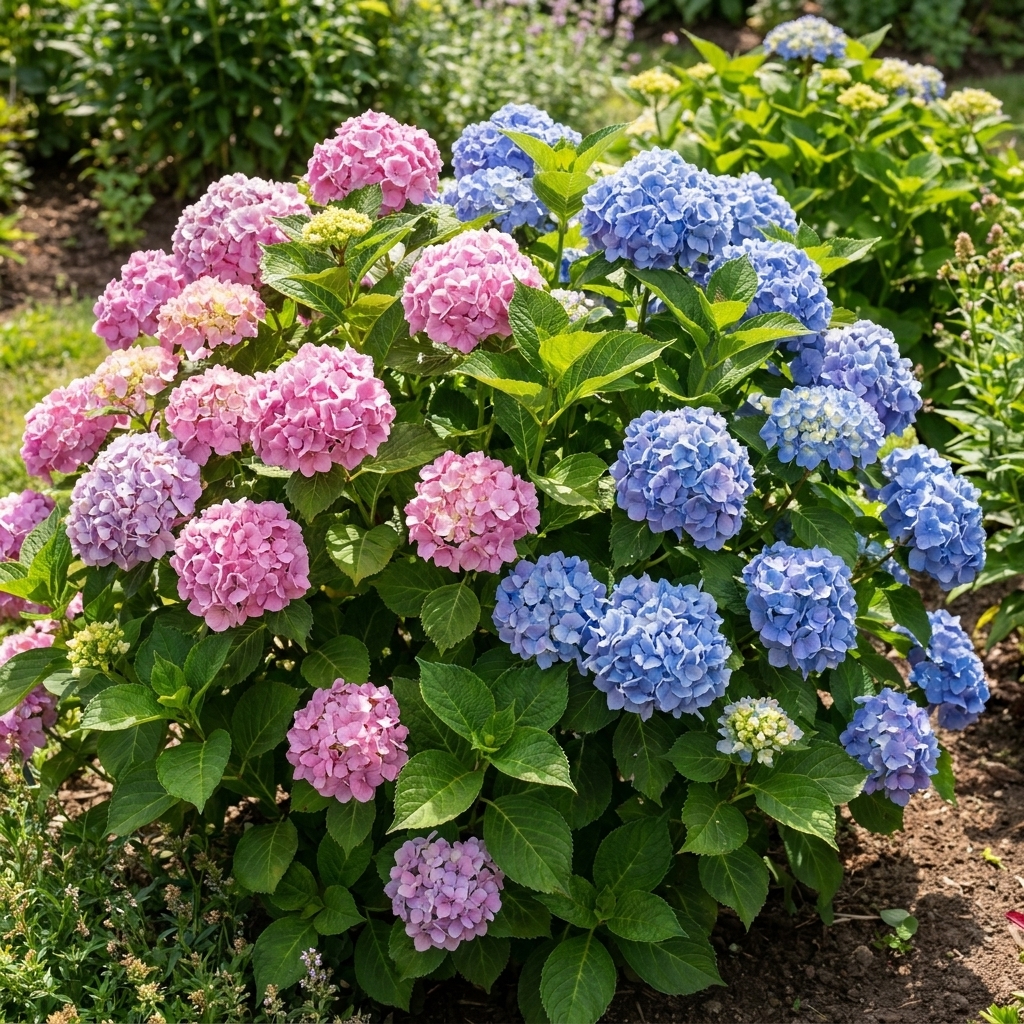
- Bigleaf hydrangea (Hydrangea macrophylla): Mophead or lacecap blooms. This is the classic “pink or blue” hydrangea. Many varieties bloom on old wood (last year’s stems), though some newer “reblooming” types bloom on both old and new wood.
- Mountain hydrangea (Hydrangea serrata): Similar to bigleaf, often lacecap, also pH-sensitive. Usually old wood.
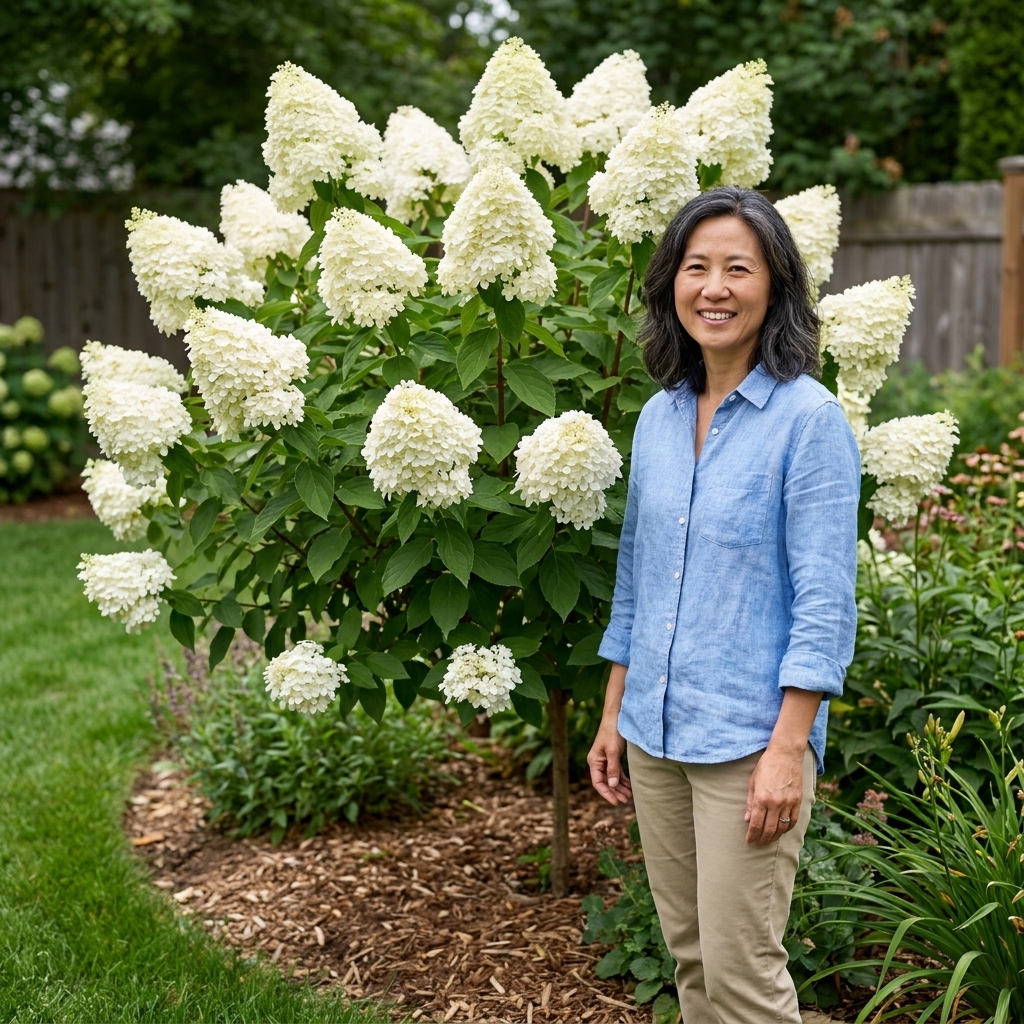
- Panicle hydrangea (Hydrangea paniculata): Cone-shaped blooms, often white aging to pink. Not pH color-changing in the same way. Blooms on new wood (current season growth).
- Smooth hydrangea (Hydrangea arborescens): Round white or pink blooms, including ‘Annabelle’ types. Blooms on new wood.
- Oakleaf hydrangea (Hydrangea quercifolia): Oak-shaped leaves, beautiful fall color, white blooms aging to blush. Blooms mostly on old wood.
If you’re still not sure which you have, look at bloom shape (ball versus cone) and leaves (oak-shaped is a giveaway). When in doubt, treat it like an old-wood bloomer and prune lightly until you confirm.
A quick cold-climate note: bigleaf and mountain hydrangeas can be perfectly hardy as shrubs, but their flower buds can be less hardy than the stems. In colder zones and windy microclimates, “reblooming” cultivars can help because they are more likely to flower even after winter bud loss.
Basics: light, water, soil
Even perfect pruning cannot make up for the wrong site. Hydrangeas are sturdy, but they are not fans of extremes.
Light
- Bigleaf and mountain: Morning sun with afternoon shade is the sweet spot in many regions. Too much hot afternoon sun can crisp leaves and fade blooms.
- Panicle: Handles more sun and often blooms best with 6 or more hours.
- Smooth: Tolerates part shade, appreciates protection from intense afternoon heat.
- Oakleaf: Part shade to sun depending on climate, with best leaf quality in light shade.
Water
Hydrangeas like consistent moisture, especially while establishing and during bloom formation.
- Water deeply at the base rather than frequent sprinkles.
- Mulch 2 to 4 inches to buffer soil moisture and temperature.
- If leaves wilt midday but recover in evening, that can be normal heat wilt. If they stay wilted, it is time to water.
Soil texture and drainage
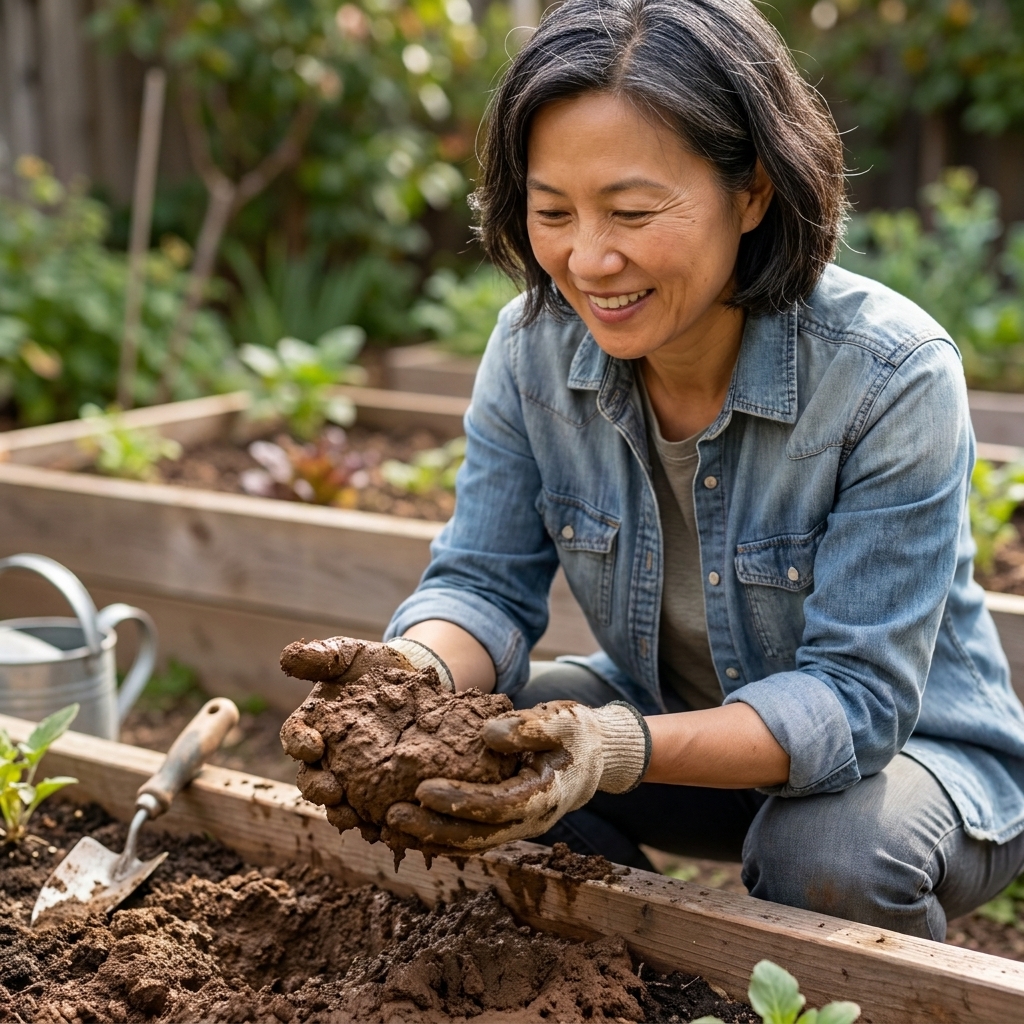
Hydrangeas thrive in rich, well-draining soil that holds moisture like a wrung-out sponge. If your soil is hard as patio concrete or sandy enough to disappear through your fingers, focus first on organic matter.
- Work compost into the top several inches around the root zone (avoid piling against stems).
- Top-dress annually with compost and refresh mulch.
Soil pH and bloom color
This is the part everyone wants, and it is also the part that gets oversimplified. Soil pH does not “dye” the flowers. It changes how available aluminum is to the plant, and aluminum influences pigment in certain hydrangeas.
Which hydrangeas change color?
- Bigleaf (macrophylla) and mountain (serrata) can shift between pink and blue.
- White hydrangeas (panicle, smooth, oakleaf, and white bigleaf cultivars) do not reliably change to blue. They may blush or age pink, but pH is not the lever.
Color goals and pH ranges
- Blue flowers: generally more acidic soil, roughly pH 5.0 to 5.5, with available aluminum.
- Purple flowers: in-between, often pH 5.5 to 6.0 (sometimes a bit higher).
- Pink flowers: closer to neutral, often pH 6.0 to 6.5+. You typically do not need to chase pH 7.0, and pushing soil too alkaline can invite nutrient lockout.
Three quick reality checks:
- Not all varieties can go fully blue. Some are genetically more pink-leaning.
- Your water source matters. Hard, alkaline irrigation water can slowly push soil pH upward, especially in containers.
- Phosphorus can work against blueing. High-phosphorus fertilizers can bind aluminum in the soil, making it less available even if your pH is in the blue-friendly range.
How to test soil pH
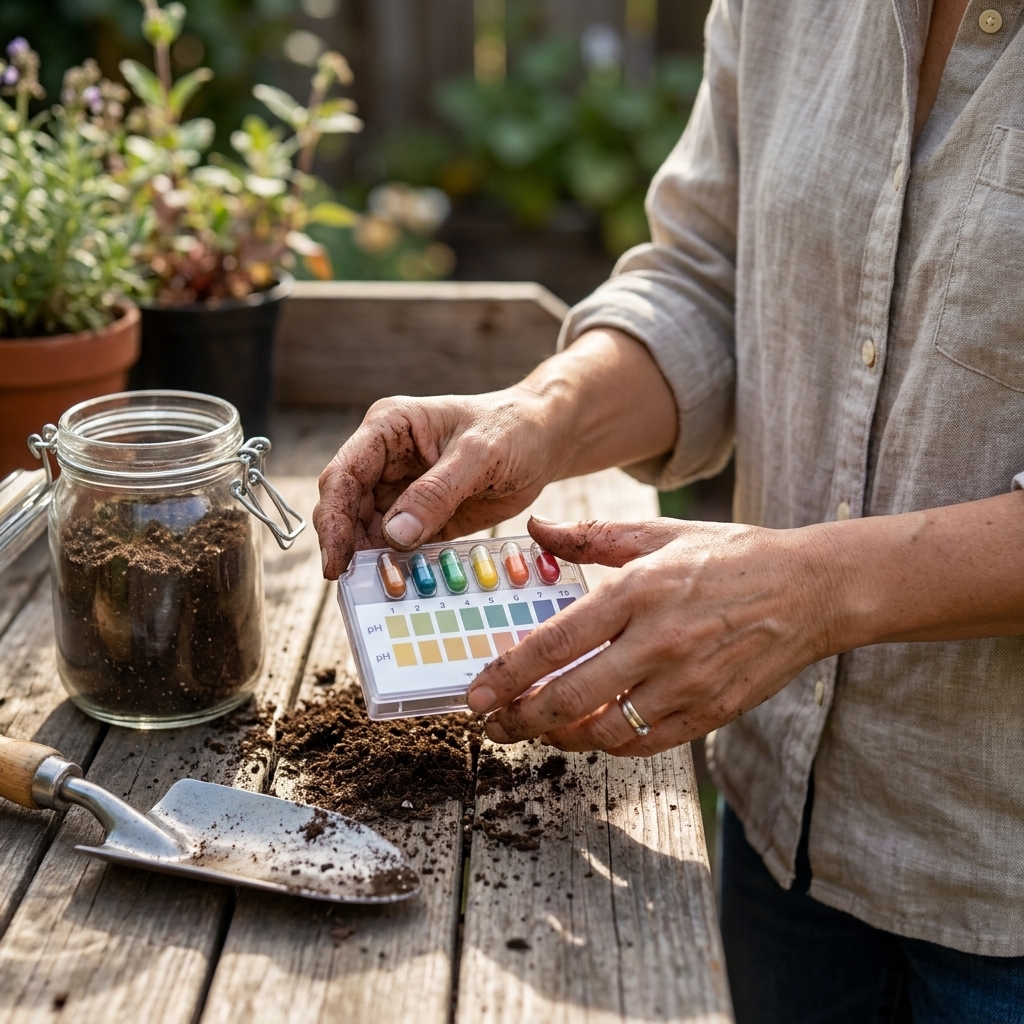
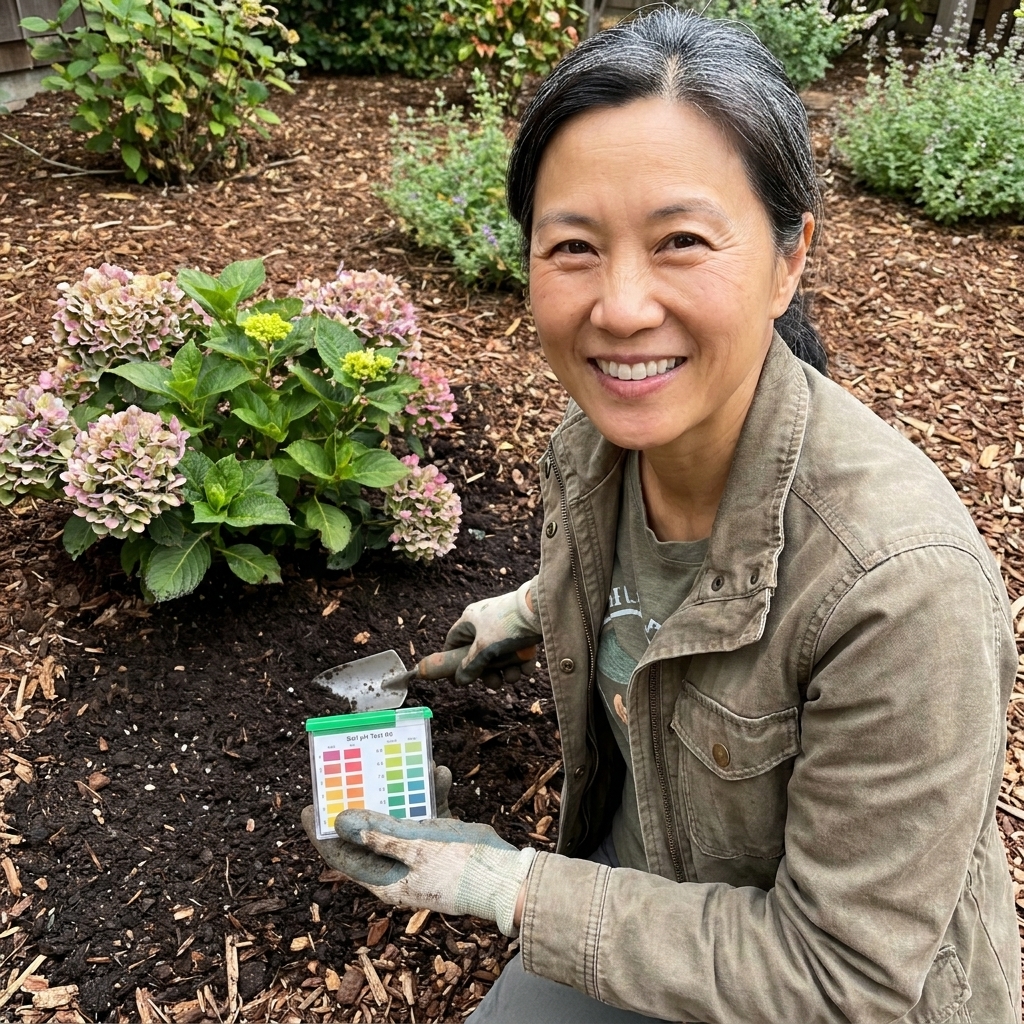
If there is one step that prevents years of guesswork, it is testing. You can use:
- At-home soil pH meter: quick and decent for trends, but accuracy varies. Follow the instructions closely.
- Chemical test kit: affordable and often more consistent than cheap probes.
- Lab soil test: best for long-term planning, and it can flag nutrient imbalances at the same time.
For hydrangea color, test the soil in the root zone, not a random scoop from elsewhere in the yard. Sample a few spots around the plant, mix them, then test.
How to get blue blooms
To encourage blue blooms on bigleaf and mountain hydrangeas, you need two things: a lower pH and aluminum availability. The gentlest way to move soil chemistry is slowly, over months, not days.
Step-by-step
- Confirm you have a color-changing type. If it is panicle or smooth, save your energy for pruning and watering.
- Test pH. If you are already around 5.2 to 5.5, you may only need maintenance.
- Use a soil acidifier if needed. Elemental sulfur is commonly used to lower pH, but it works gradually and best when soil microbes are active (warmer months). Follow label rates carefully.
- Consider aluminum sulfate for faster color shift. This can increase aluminum availability and acidify soil, but it is easy to overdo. Apply according to the product label, water in well, and avoid repeated heavy applications.
- Mulch with acidic organic materials. Pine bark fines, pine needles, and leaf mold can support a slightly more acidic environment over time, though the effect is usually modest.
What to avoid
- Do not guess with heavy doses. Over-acidifying can stress roots, and at very low pH aluminum can become excessive.
- Do not stack multiple acidifying products at once. Pick one approach, then retest later.
- Do not expect instant results. Color changes often show up the next bloom cycle, not next week.
- Use aluminum products responsibly. Apply only as directed and avoid runoff into nearby hardscapes or storm drains.
How to get pink blooms
To push blooms toward pink on bigleaf and mountain hydrangeas, you raise soil pH and reduce aluminum availability.
Step-by-step
- Test pH. If you are already near neutral, you may not need to do much.
- Use garden lime to raise pH. Dolomitic lime is common. Apply as directed and water in. Changes still take time.
- Use compost as your steady baseline. Compost does not dramatically raise pH, but it improves root health so the plant can bloom well while you fine-tune color.
If you garden in naturally alkaline regions, pink is often the default setting. In that case, your bigger challenge may be keeping bigleaf hydrangeas happy through summer heat and winter bud damage.
Fertilizing without losing blooms
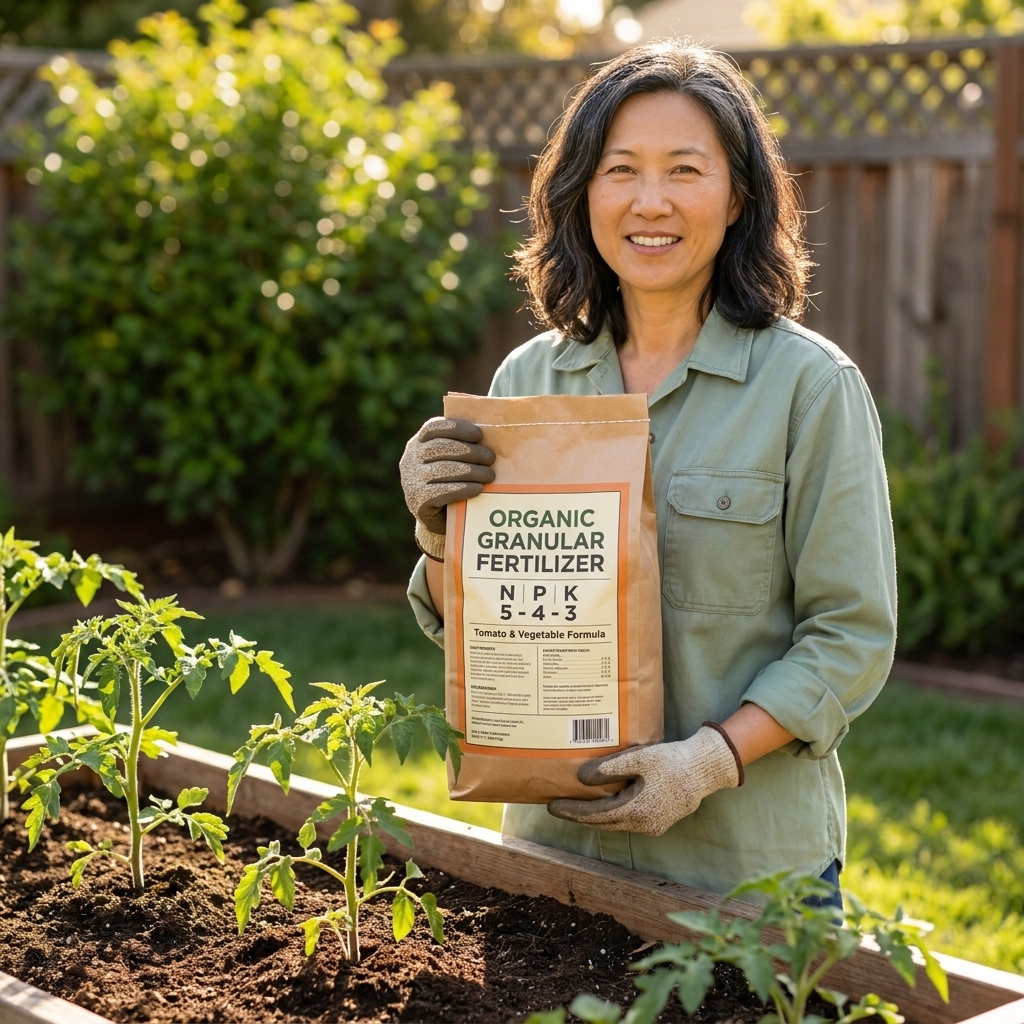
Hydrangeas can be enthusiastic leaf-makers. Too much nitrogen can give you a gorgeous green shrub with fewer flowers.
A simple approach
- In spring: top-dress with compost and refresh mulch.
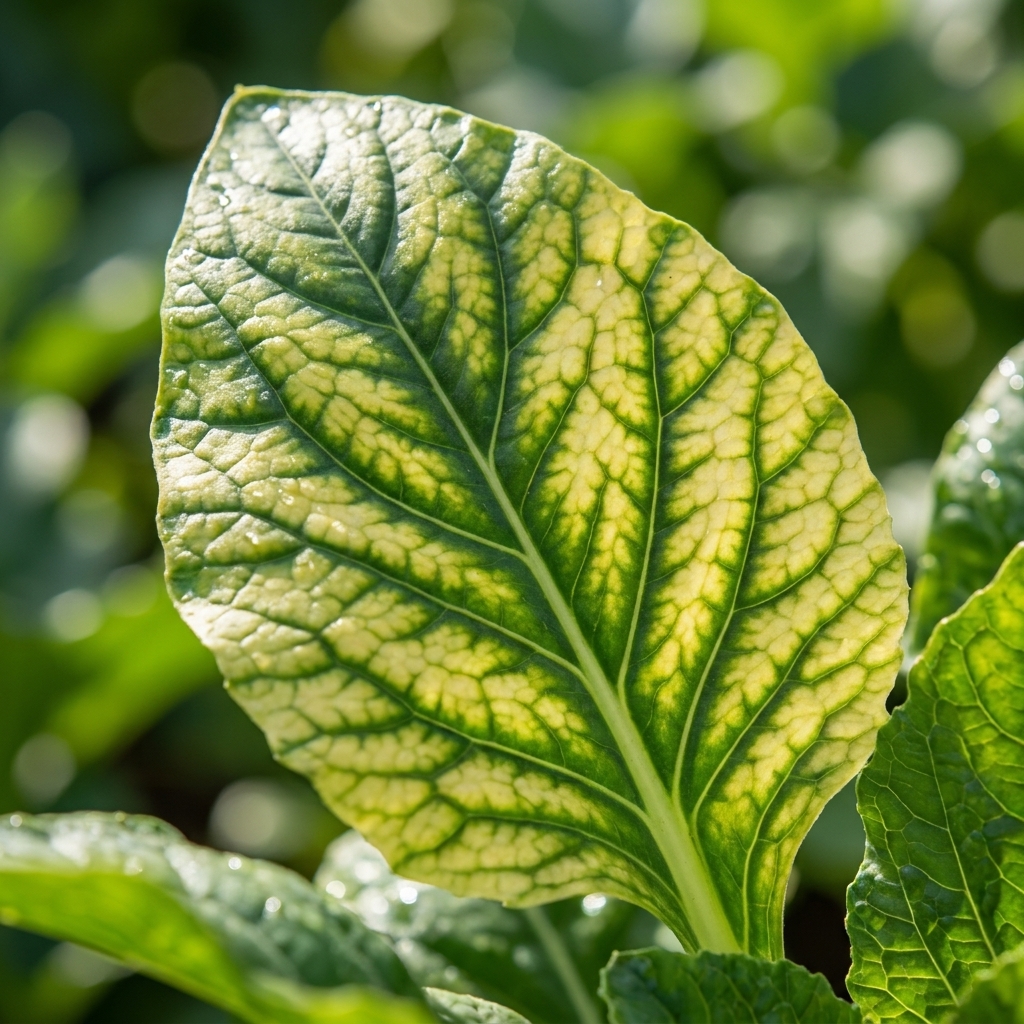
- If growth is weak or leaves are pale: use a slow-release, balanced fertilizer according to label directions.
- If you want bluer blooms: avoid high-phosphorus fertilizers, which can reduce aluminum availability.
- For container hydrangeas: a controlled-release fertilizer plus consistent watering is often easier than frequent liquid feeding.
If you are actively shifting bloom color, choose fertilizers that match your goal. Some “acid-loving plant” fertilizers support lower pH, while lime pushes the opposite direction. Read labels and avoid stacking products that fight each other.
Pruning: the rule that saves flowers
If you remember one thing, make it this: prune based on whether your hydrangea blooms on old wood or new wood.
Old wood bloomers
Includes many bigleaf, mountain, and oakleaf hydrangeas.
- When to prune: right after flowering, if needed.
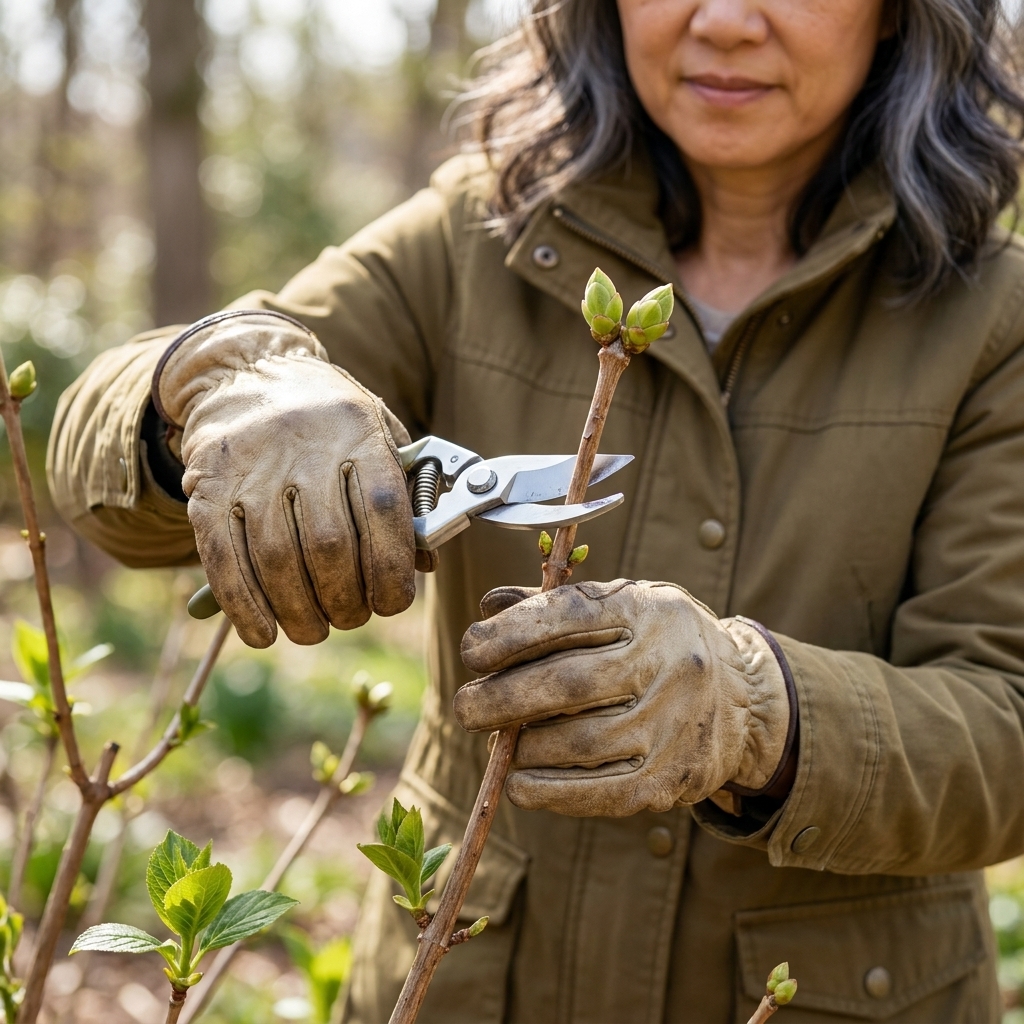
- What to prune: dead wood, broken stems, and spent blooms. You can also remove a few of the oldest stems at the base to open the plant, but avoid shearing the whole shrub.
- Why timing matters: these plants often set next year’s flower buds on this year’s stems in late summer to fall. Prune late fall, winter, or early spring and you may remove those buds.
New wood bloomers
Includes panicle and smooth hydrangeas.
- When to prune: late winter to early spring, before new growth takes off.
- How much: you can reduce size significantly to shape the plant and encourage sturdy new flowering stems. Many gardeners cut smooth hydrangeas back to 18 to 24 inches to leave a supportive framework (cutting to the ground can work, but may mean floppier stems and later blooms). Panicles are often thinned and shortened rather than cut to the ground.
Deadheading
Deadheading is mostly about tidiness and preventing heavy, wet blooms from snapping stems. For old-wood types, deadhead carefully.
- For bigleaf and oakleaf: snip just below the spent flower head, stopping above the first set of healthy buds or leaves. Do not cut deep into the plant late in the season.
- For panicle and smooth: deadheading is optional. Many people leave blooms for winter interest and prune later.
Winter care
Winter is where many hydrangea bloom dreams go to take a nap. The plant survives, but the flower buds on old wood can be damaged by cold snaps, drying winds, or freeze-thaw cycles.
Who needs the most winter help?
- Bigleaf and mountain: most likely to lose buds in harsh winters or exposed sites.
- Oakleaf: generally tougher than bigleaf, but flower buds can still be injured in colder zones.
- Panicle and smooth: typically the least fussy because they bloom on new wood.
Simple winter protection that works
- Mulch generously: 3 to 4 inches over the root zone helps stabilize soil temperatures. Keep mulch a few inches away from stems to discourage rot and rodents.
- Water before the ground freezes: hydrated plants handle winter stress better than dry ones.
- Skip late-season nitrogen: it can push tender growth that gets zapped by frost.
- Choose smart placement: a spot with morning sun and protection from harsh wind is often better than a wide-open, windy corner.
Extra protection for bigleaf hydrangeas
If you reliably lose buds, try one of these options:
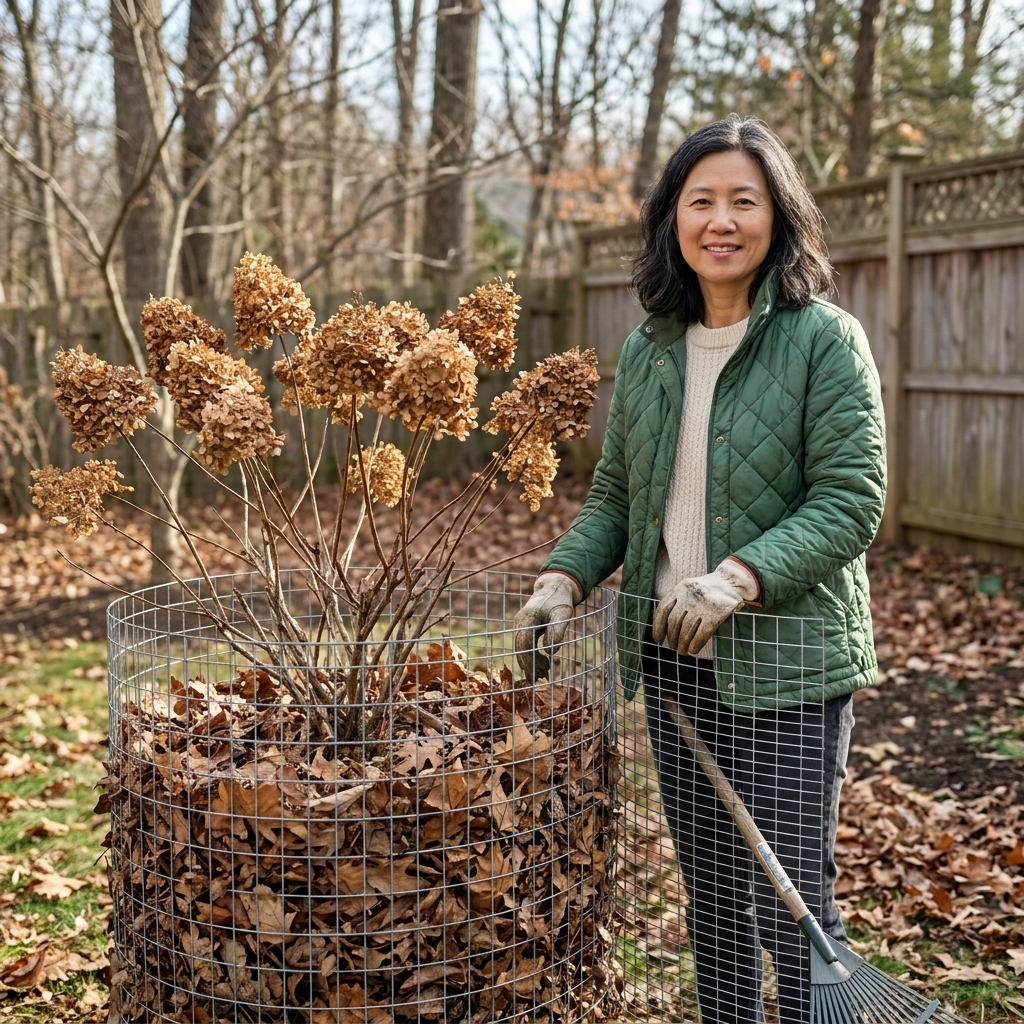
- Leaf cage method: after the plant goes dormant, loosely wrap it with a cylinder of wire fencing and fill with dry leaves. This insulates stems and buds. Remove gradually in spring as temperatures stabilize.
- Burlap windbreak: set stakes and wrap burlap around the outside to reduce drying winds. Burlap should not be tight against the plant.
- Snow is your friend: if you get snow, it can act like an insulating blanket. The problem is the winters with cold and no snow.
Container hydrangeas
Hydrangeas can do beautifully in pots, but containers change the game in two ways: soil chemistry shifts faster, and roots are more exposed to cold.
Key container tips
- Use a high-quality potting mix, not garden soil.
- Water more often: pots dry out faster, especially in summer.
- Expect pH to drift: test more frequently if you are chasing blue or pink.
- Winter protection is critical in cold climates: after dormancy, move pots into an unheated garage, shed, or sheltered area, or insulate the pot (not just the top) to protect roots.
- Do not let pots go bone-dry in storage: check occasionally and keep the potting mix lightly moist.
- Light is optional: once fully dormant, hydrangeas do not need bright light, but a little ambient light is fine. The bigger goal is cold protection and steady moisture.
Troubleshooting: no blooms
If your hydrangea looks healthy but refuses to flower, run through this list. I keep it in my own mental toolbox, right next to “maybe it just needs more mulch.”
Common causes
- Wrong pruning time: the number one culprit for bigleaf and oakleaf. If you pruned in fall, winter, or early spring, you may have removed buds.
- Winter bud damage: stems survive, buds do not. Result: leaves, no flowers.
- Too much shade: many hydrangeas tolerate shade but bloom better with some sun.
- Too much nitrogen: lush foliage, minimal blooms.
- Drought stress: dry spells during bud formation can reduce flowering.
- Late frost: a sudden spring freeze can damage emerging buds.
- Browsing: deer and rabbits can nip buds and stem tips, especially in late winter and spring.
- Herbicide drift: weed killers can distort growth and reduce flowering if spray drifts onto shrubs.
- Recent transplant or root disturbance: moving a hydrangea at the wrong time, or rough root damage, can set flowering back for a season.
If you are unsure, take a close look at stems in early spring. Old-wood hydrangeas will often show plump buds along last year’s stems. If those buds are brown and dry, winter likely did the damage.
A care calendar
Spring
- Remove winter protection gradually.
- Check for dead wood and prune only what is clearly dead, especially on old-wood types.
- Top-dress with compost and refresh mulch.
- Test soil pH if you are adjusting color.
Summer
- Water deeply during heat and dry spells.
- Deadhead if you want a tidier look (carefully for old-wood types).
- Make pH adjustments early enough to influence the next bloom cycle, following product guidance.
Fall
- Stop heavy feeding, especially nitrogen.
- Keep watering during dry autumns until freeze.
- Avoid major pruning on old-wood types.
Winter
- Mulch after the ground cools.
- Protect bigleaf buds if you often lose blooms.
- Enjoy dried flower heads if you left them on, then plan pruning for late winter or early spring on new-wood bloomers.
Hydrangea questions
Can I change hydrangea color with coffee grounds?
Coffee grounds are great in compost, but they are not a reliable way to shift soil pH enough to turn blooms blue. If you want predictable results, test your soil and use targeted amendments like elemental sulfur or lime as needed.
How long does it take to change bloom color?
Usually at least one growing season, sometimes longer. Hydrangeas respond gradually, and the change often appears as new flowers develop rather than on existing blooms.
Should I cut hydrangeas back to the ground?
Only for hydrangeas that bloom on new wood, and even then you will usually get sturdier stems if you leave a little framework. Smooth hydrangeas can be cut back hard, but many gardeners prefer trimming to about 18 to 24 inches. Panicles are typically shaped with selective pruning rather than being taken all the way down.
Do hydrangeas like Epsom salt?
Only if a soil test shows a magnesium deficiency. Otherwise, it is an unnecessary add-on. Compost, mulch, and correct watering solve most issues more effectively.
One last tip
If your hydrangea has had a rough year, resist the urge to do ten fixes at once. Change one variable, give it time, and keep notes. Gardening is basically a long relationship with the weather, and hydrangeas are the friend who needs consistency, not micromanagement.
If you want the simplest path to success, start with this trio: morning sun, steady moisture, and the right pruning season for your hydrangea type. The color tinkering is the fun part you earn after the basics are dialed in.