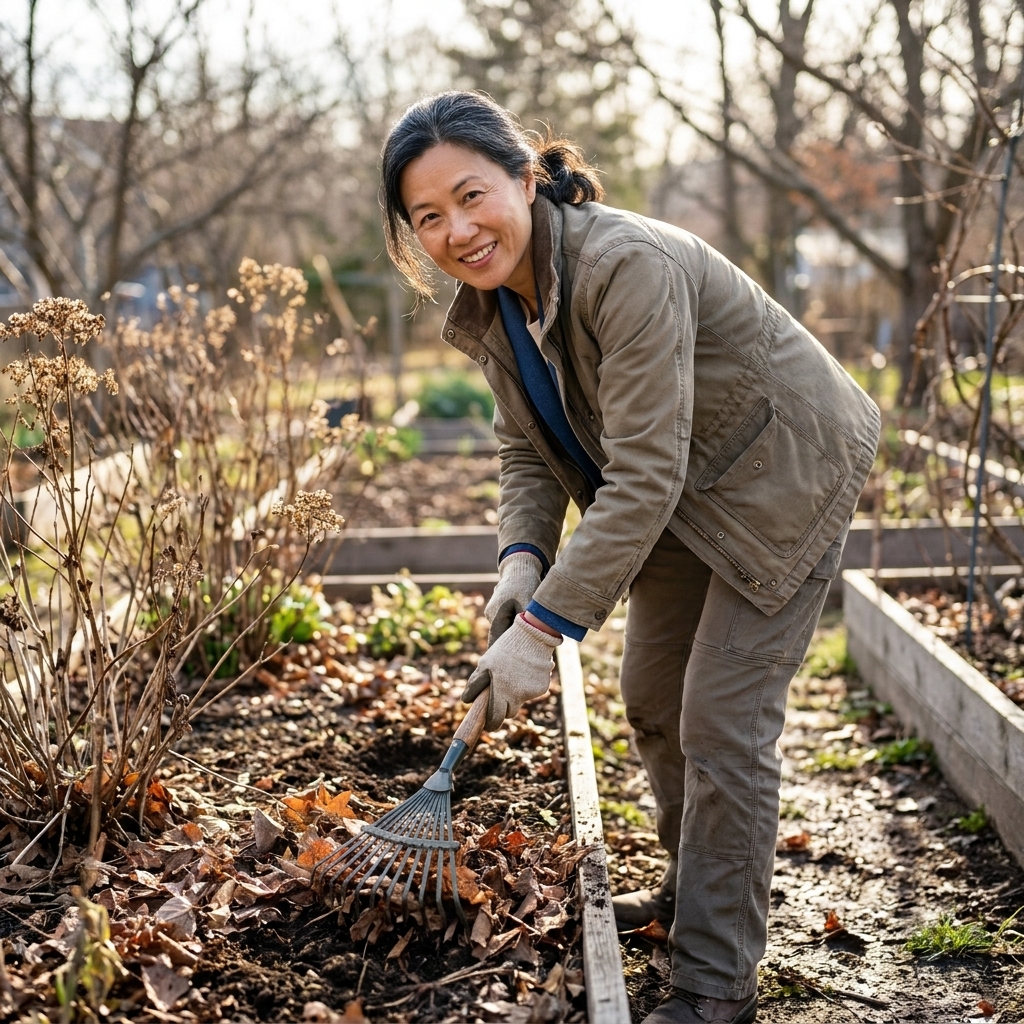
Geraniums are the gardeners’ equivalent of that friend who thrives on neglect, until the first hard frost shows up and ruins the party. The good news is that most “annual” geraniums we grow in pots and beds are actually tender perennials (Pelargonium), which means you can bring them through winter and enjoy bigger, bushier plants next year.
This guide walks you through three proven overwintering methods: letting plants go semi-dormant in a pot, storing them bare-root, and keeping them going by taking cuttings. Choose the one that fits your space, your patience level, and how attached you are to that perfect coral bloom.
Before you start: timing and a reality check
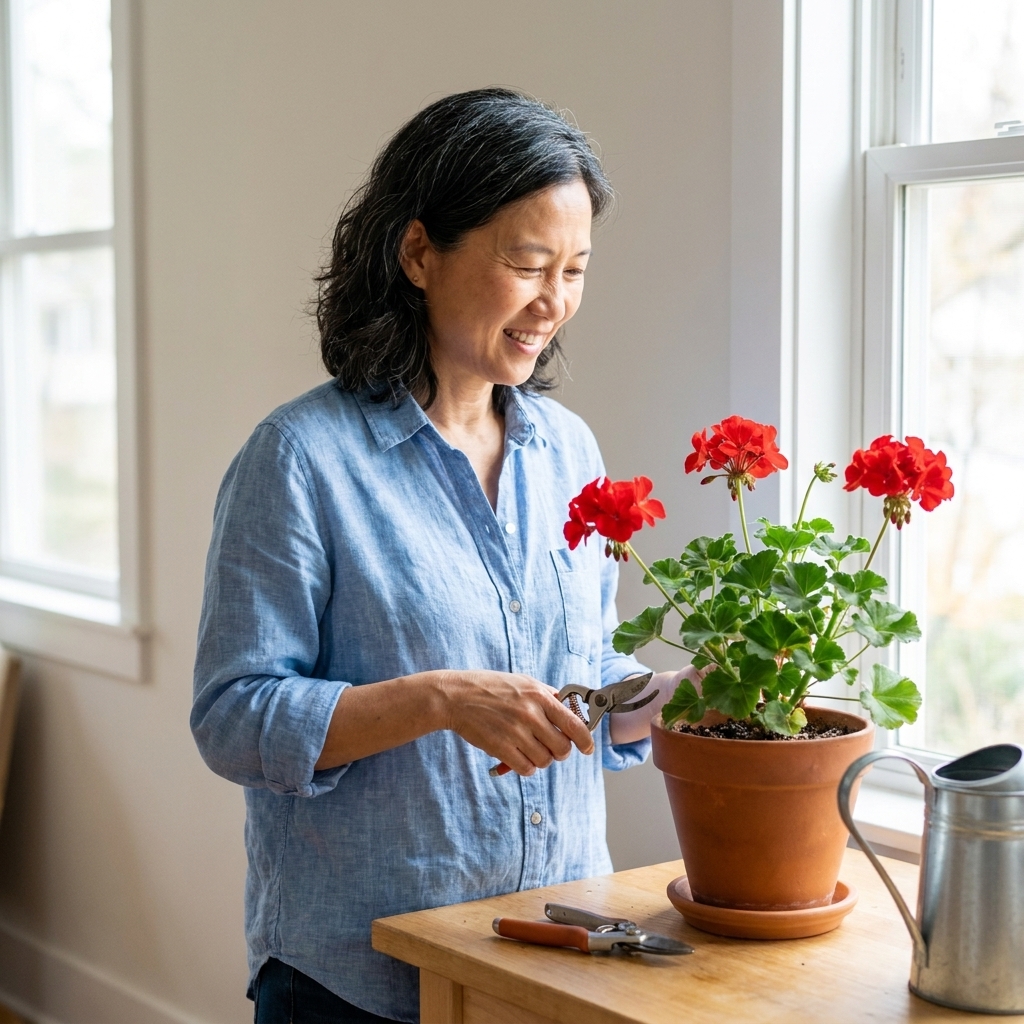
When to act: Start 1 to 2 weeks before your first expected frost, or when nighttime temperatures consistently dip below about 40 to 45°F. Some pelargoniums can handle a brief chill, but cold, wet soil plus a frost can turn stems to mush quickly. If in doubt, bring them in early.
Which geraniums does this work for? These methods are for the common garden geraniums sold as “annual geraniums,” including zonal geraniums and ivy geraniums (Pelargonium types). True hardy geraniums (cranesbill, Geranium spp.) live outside all winter in many climates and do not need this routine.
One quick cultivar caveat: Scented-leaf, regal (Martha Washington), and some fancy varieties can be a bit fussier indoors. The methods still apply, but expect success rates to vary.
What you’ll want on hand
- Clean pruners (wipe with rubbing alcohol between plants)
- Fresh potting mix (if repotting)
- A couple of paper bags or cardboard boxes (for bare-root storage)
- Newspaper or brown paper (to wrap roots)
- Labels (future-you will thank present-you)
- Optional: insecticidal soap for a pre-indoor rinse
Do this first, no matter the method
Geraniums love to sneak pests indoors. Before bringing plants in, give them a simple “porch spa day.”
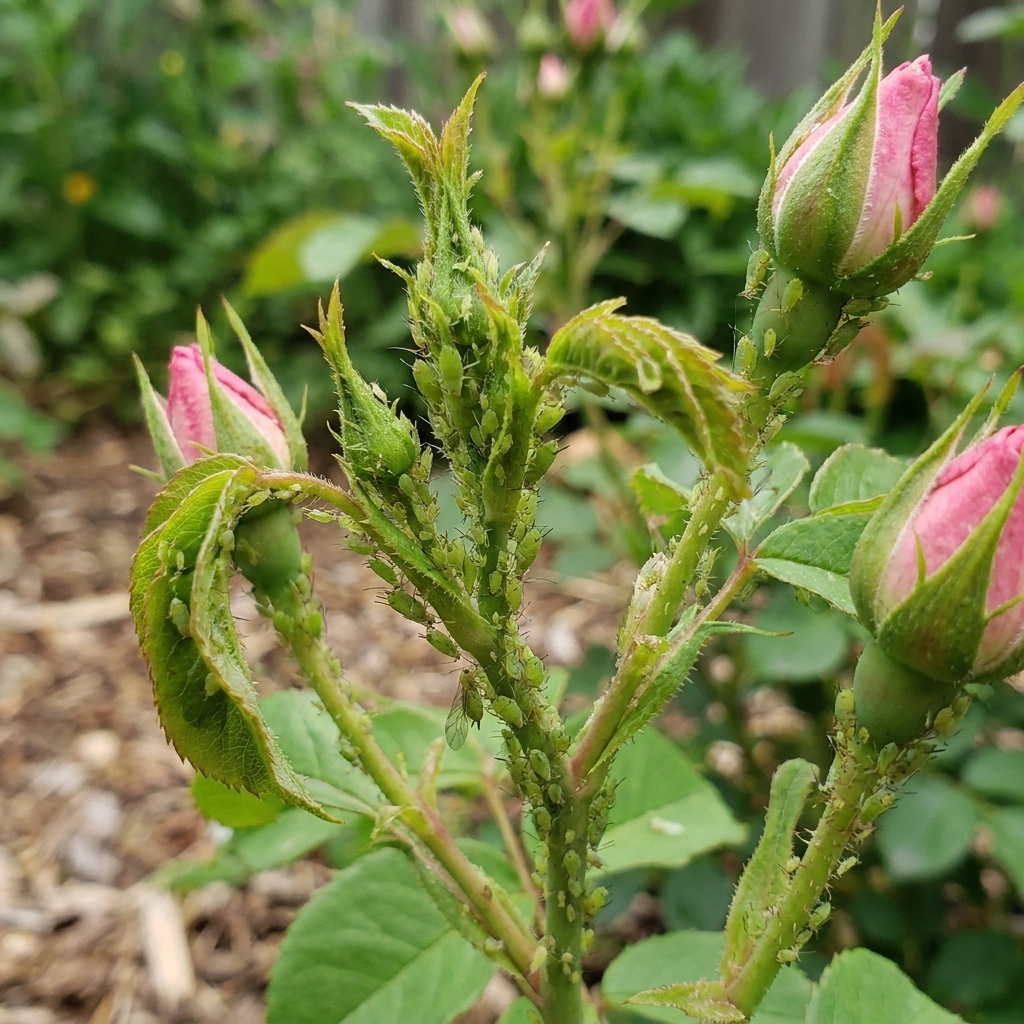
- Inspect undersides of leaves and leaf joints for aphids, whiteflies, spider mites, and mealybugs.
- Rinse the whole plant with a firm spray of water.
- Treat if needed with insecticidal soap, following the label.
- Let dry before placing near your other houseplants.
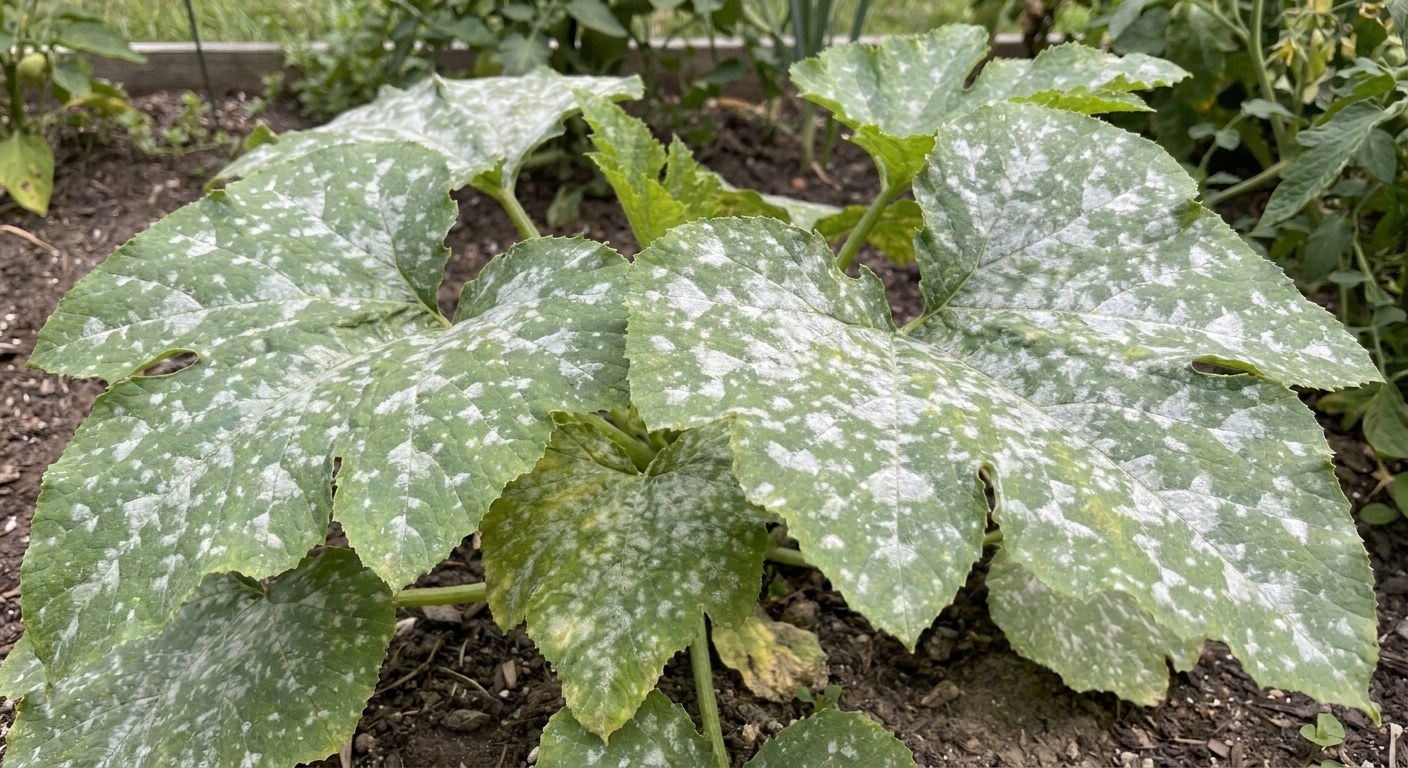
Hygiene note: If a plant is clearly diseased (rust, botrytis, or severe mildew that keeps returning), it is usually better to discard it than to overwinter trouble and spread it to everything else.
Method 1: Dormant in a pot
If you have a cool basement, garage window, enclosed porch, or spare room that stays chilly, this is often the easiest way to keep mature plants alive. The goal is to slow the plant down so it rests, not grows.
Best for
- Gardeners with limited time
- Medium to large plants you do not want to dismantle
- Anyone with a cool, bright-ish spot indoors
Ideal conditions
- Temperature: About 45°F to 55°F is the sweet spot for true “rest.” Warmer rooms can work, but the plant is more likely to keep growing and get leggy.
- Light: Low light is acceptable only if the plant is kept cool enough to stay sleepy. If your space is warmer, you will need brighter light (or a grow light) to keep growth sturdy.
- Water: Very little
Step-by-step
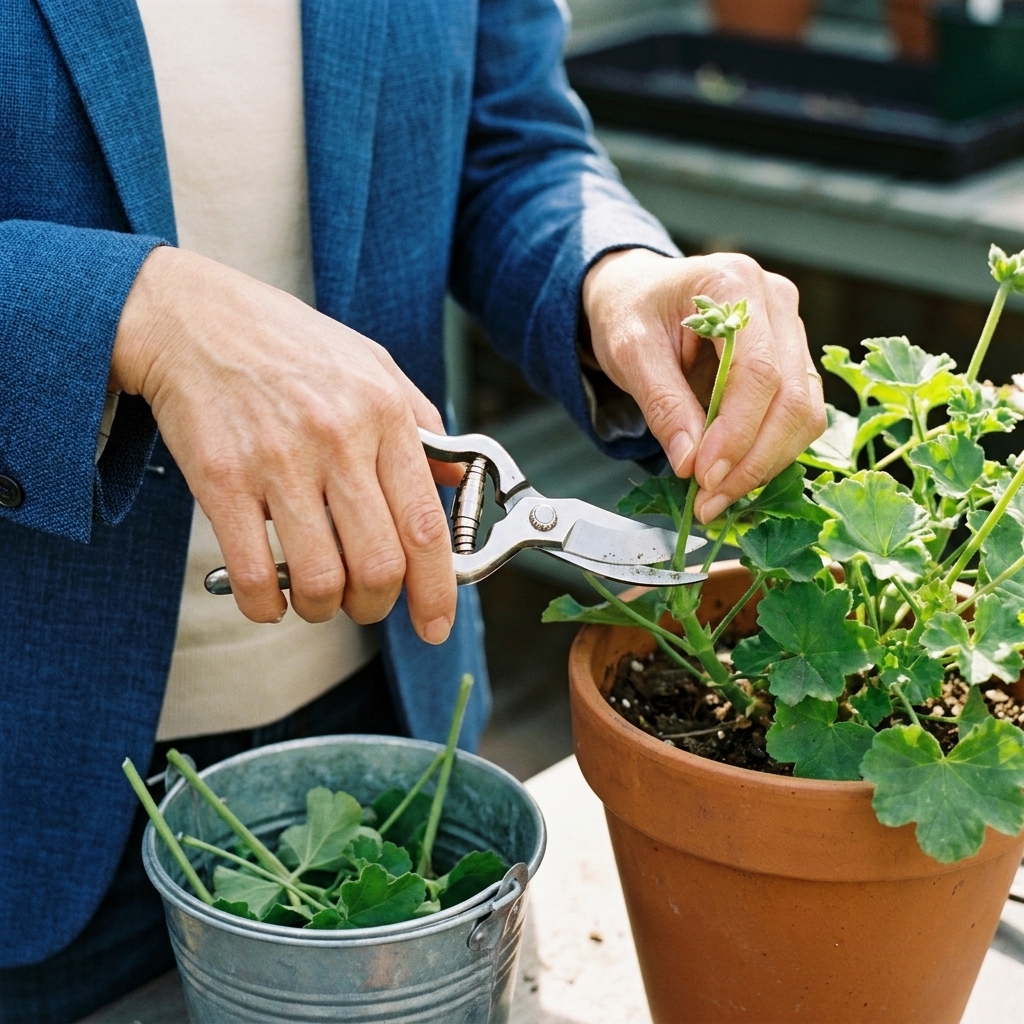
- Cut back the plant by about one-third to one-half. Remove weak, leggy stems and spent blooms.
- Check the pot for drainage. If it is severely root-bound, you can up-pot slightly, but otherwise it is usually better to wait until spring. More soil volume indoors stays wet longer.
- Move indoors to a cool location. Avoid warm vents and radiator blasts.
- Water sparingly: water only when the pot is mostly dry (think top 2 inches dry and the pot feels noticeably lighter). Think “sip,” not “soak.”
- Expect leaf drop. Some yellowing and leaf loss is normal as light drops and the plant rests.
Common mistakes
- Too much water: This is the fastest route to rot. Cool + wet is trouble.
- Too warm and too dim: Warm rooms make geraniums try to grow, but winter light is weak. The result is pale, stretched stems.
- Bringing pests inside: One hitchhiking whitefly can become a whole indoor saga.
Waking it up in spring
About 6 to 8 weeks before your last frost date, move the pot to brighter light, increase watering gradually, and give a light feeding. Once nights stay above 50°F, start hardening off outdoors in shade, then gradually into sun.
Method 2: Bare-root storage
This is the old-school method my grandmother swore by, and it is strangely satisfying. You store geraniums without soil, essentially like living “sticks” with roots. It looks alarming, but it works when done right.
Best for
- Saving lots of plants in a small space
- Gardeners with a cool, dark storage area
- Anyone who does not mind a slightly spooky-looking bundle of roots
Ideal conditions
- Temperature: About 40°F to 50°F, and safely above freezing. Avoid spots with big temperature swings (some garages dip lower than you think at 3 a.m.).
- Light: Not needed
- Humidity: Moderate. Too dry shrivels stems, too humid encourages mold.
Step-by-step
- Dig or unpot before a hard frost. Shake off as much soil as you can.
- Trim the plant back to 4 to 6 inches of stem. Remove leaves, flowers, and any soft or damaged growth.
- Rinse roots gently if the soil is clumpy, then let the plant dry for a few hours so it is not dripping wet.
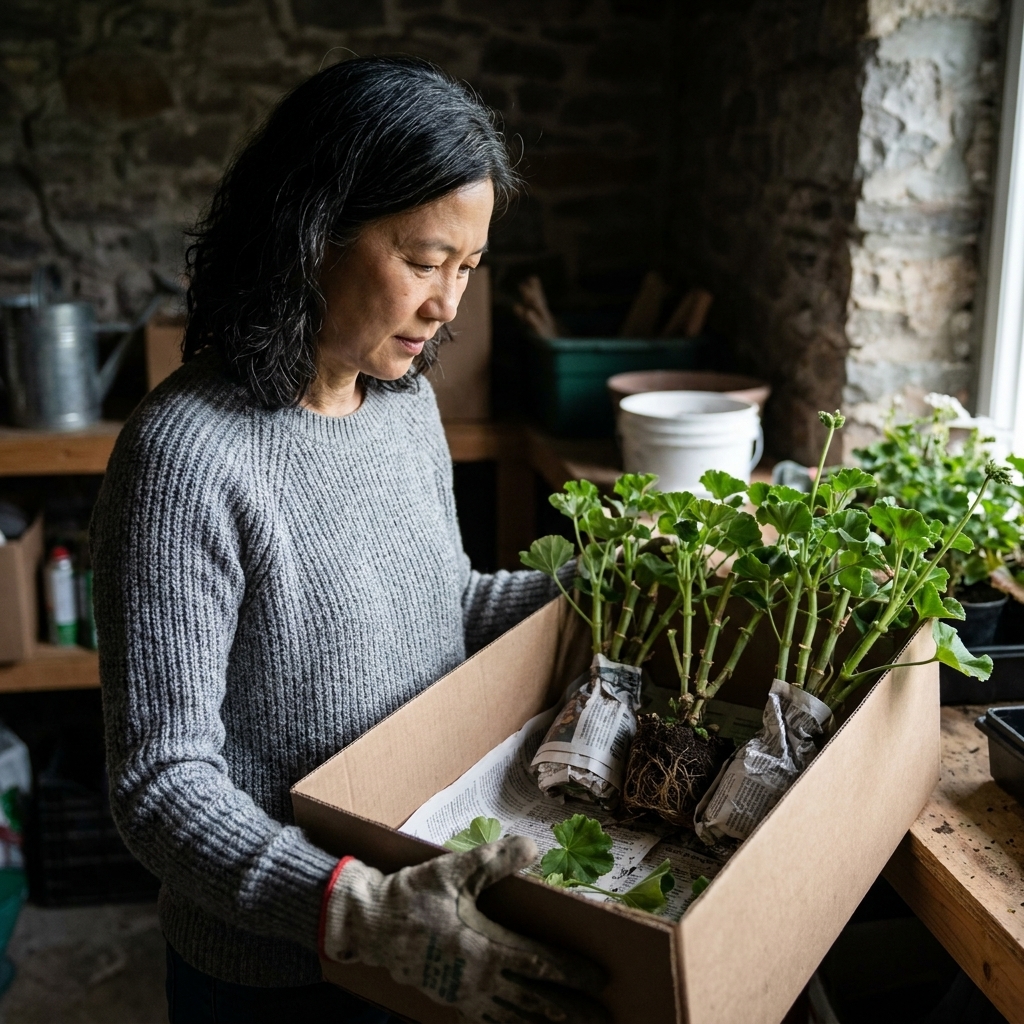
- Wrap each plant’s roots in dry newspaper or brown paper.
- Store in a paper bag or cardboard box in a cool location. Do not seal in plastic.
- Check monthly: if stems are shriveling badly, mist the roots lightly or re-wrap with slightly damp paper. If you see mold, unwrap and let the plant dry, then re-wrap in fresh paper.
How to revive bare-root plants in spring
Plan to wake them up 6 to 8 weeks before your last frost.
- Inspect first: trim away anything mushy, blackened, or obviously rotting. Healthy stems should feel firm.
- Soak roots in room-temperature water for 1 to 2 hours. Longer soaks are not better and can invite rot.
- Pot up in fresh potting mix, burying roots and keeping the crown just above the soil line.
- Water thoroughly, then let the pot drain fully.
- Place in bright light and keep lightly moist while new growth starts.
- Pinch tips once you see new shoots to encourage branching.
Method 3: Take cuttings
If your geraniums are huge, leggy, or you simply want insurance, cuttings are often the most reliable way to carry your favorite varieties forward. You will end up with young plants that are often bushier and more vigorous than older overwintered stock, as long as you can give them decent light.
Best for
- People who have a bright window or a grow light
- Rare varieties you do not want to lose
- Gardeners who like a tidy, compact plant next spring
When to take cuttings
Late summer through early fall is ideal, but you can take cuttings any time before the plant is damaged by cold. Earlier is easier because the plant is still actively growing.
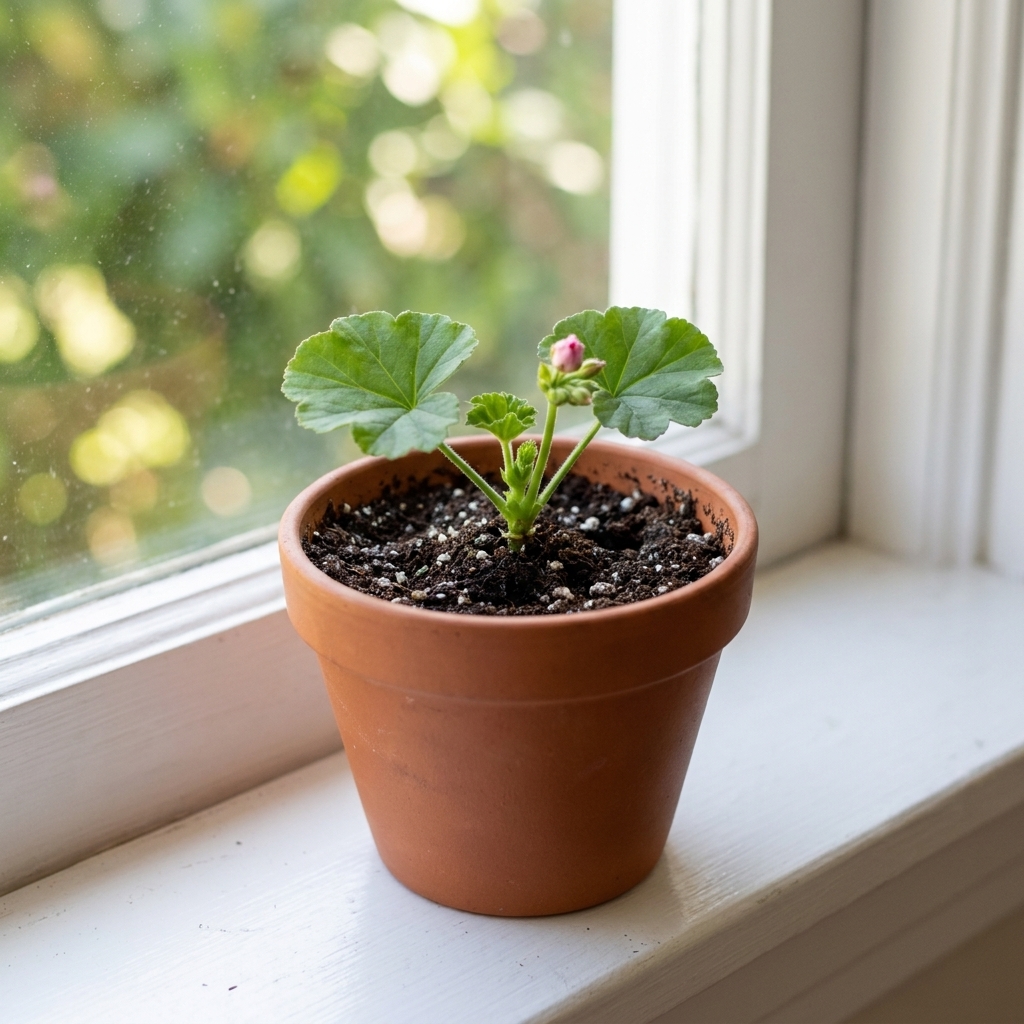
Step-by-step
- Select healthy stems that are not flowering. Look for firm, green growth.
- Cut 3 to 5 inches just below a node (where leaves attach).
- Strip lower leaves so you have a clean stem for planting. Leave 1 to 2 sets of leaves at the top.
- Let the cutting callus for 30 to 60 minutes. This helps reduce rot.
- Plant in a small pot of slightly damp potting mix or a seed-starting mix. (Geranium cuttings can root in water, but soil rooting often produces sturdier roots.)
- Provide bright light. A sunny window can work; a simple grow light makes it much easier.
- Water lightly: keep the mix barely moist, never soggy.
- Check for rooting in 2 to 6 weeks. A gentle tug should meet resistance.
Tips that prevent mushy cuttings
- Skip the plastic humidity dome unless your home is extremely dry. Geraniums can rot when kept too humid.
- Use a small pot, not a big one. Extra soil stays wet longer.
- Do not fertilize until you see new growth.
Which method should you pick?
If you are standing in the garden with pruners in hand, here is the simplest way to decide:
- Choose dormant-in-pot if you want the easiest routine and have some indoor space.
- Choose bare-root if you have many plants and limited space, and you can check them monthly.
- Choose cuttings if you want compact plants, have bright light, or you are saving a favorite variety and want a backup plan.
Honestly, my favorite approach is a mix: keep one mature plant dormant, and take a couple cuttings as insurance. Gardening is allowed to have safety nets.
Indoor care basics
Light
Actively growing geraniums want bright light. A south- or west-facing window is best, and a small grow light helps tremendously if winter days are gloomy.
Water
Indoors, the rule is: less than you think.
- Dormant, cool-stored plants: water only when the pot is mostly dry (top 2 inches dry and pot feels light).
- Actively growing plants and rooted cuttings: water when the top inch of soil is dry, and always empty saucers so roots are not sitting in water.
Airflow
Still air encourages mildew and fungus gnats. Give plants a little breathing room and avoid crowding them against cold glass.
Feeding
Do not fertilize dormant plants. For actively growing potted plants or rooted cuttings, feed lightly in late winter as day length increases.
Troubleshooting
Yellow leaves
- Most common cause: low light + too much water.
- Fix: move to brighter light, let soil dry more between waterings, remove yellow leaves.
Leggy, pale growth
- Cause: warm room, not enough light.
- Fix: increase light (grow light helps), pinch tips, keep a bit cooler if possible.
Mold on bare-root plants
- Cause: too humid, poor airflow, roots wrapped too damp.
- Fix: unwrap, trim any soft tissue, let dry, re-wrap in dry paper, store in a slightly drier spot.
No new growth in spring
- Cause: plant was too dry for too long, or stems were damaged by freezing.
- Fix: scratch-test stems (green inside means alive). Pot up and give warmth and light. If stems are brown and hollow, rely on your cuttings next time.
FAQ
Do I need to cut geraniums back before overwintering?
Yes, in most cases. Cutting back reduces the plant’s demand for light and water and helps prevent pests. For dormant or bare-root storage, a firm cutback is part of the process.
Can I overwinter geraniums as houseplants and keep them blooming?
Sometimes, yes, especially with a very bright window or grow light. Just know that winter light is weaker than it looks, so the plant may rest anyway. If it does keep growing, treat it like a houseplant: bright light, modest water, and good airflow.
Will geraniums survive in an unheated garage?
They can, as long as temperatures stay safely above freezing. For potted dormant plants, a small window helps. For bare-root storage, light is not needed, but freezing temperatures will likely kill stems and roots.
Should I bring geraniums inside before the first frost?
Yes. A light frost can damage leaves, and a hard frost can collapse stems. Bring them in when nights consistently drop below about 40 to 45°F, or at least before a predicted frost.
Spring transition
When spring finally shows up, your overwintered geraniums will be eager but tender. After nights stay reliably above 50°F, start hardening off for 7 to 10 days: a few hours outside in shade at first, then gradually increase sun and time outdoors.
And if your plant looks a little rough at the beginning, do not panic. Geraniums are forgiving. Give them sun, steady watering, a pinch here and there, and they usually bounce back like nothing happened. Much like gardeners, honestly.