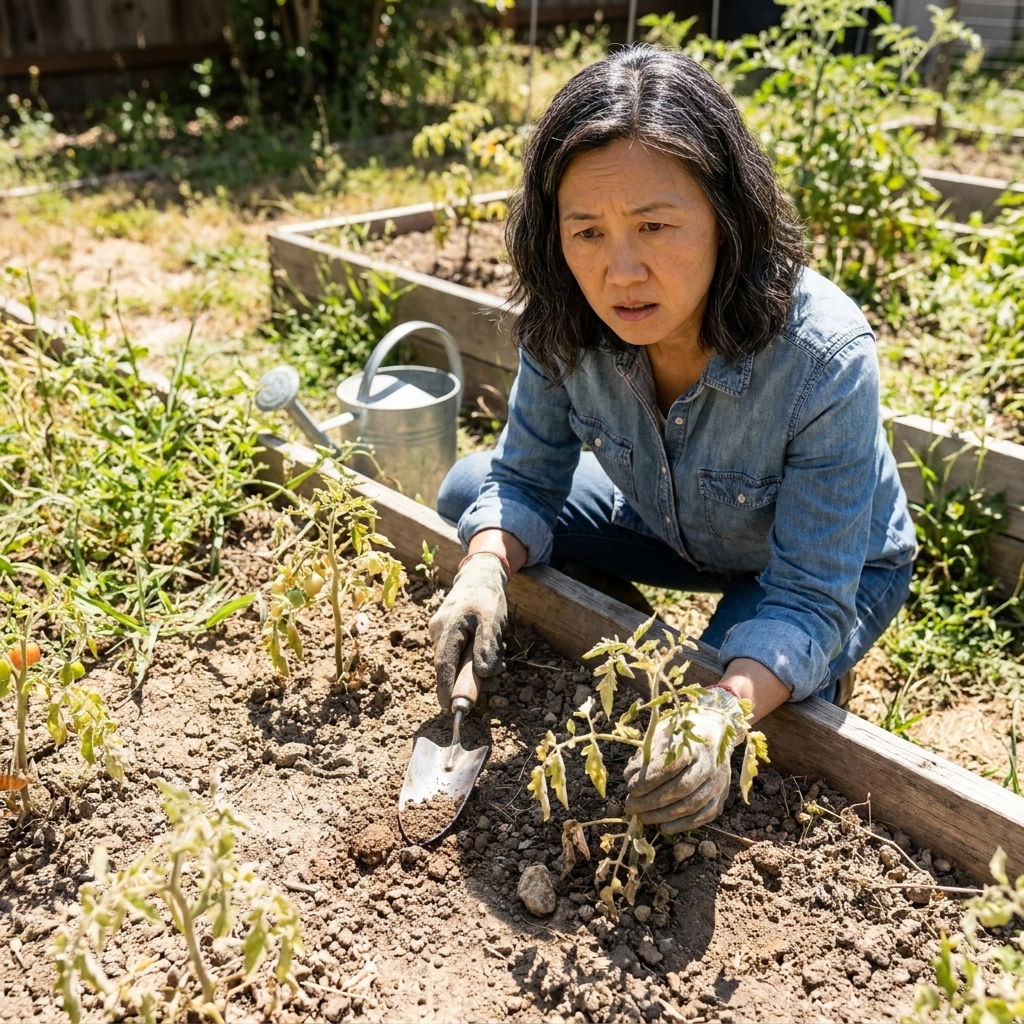
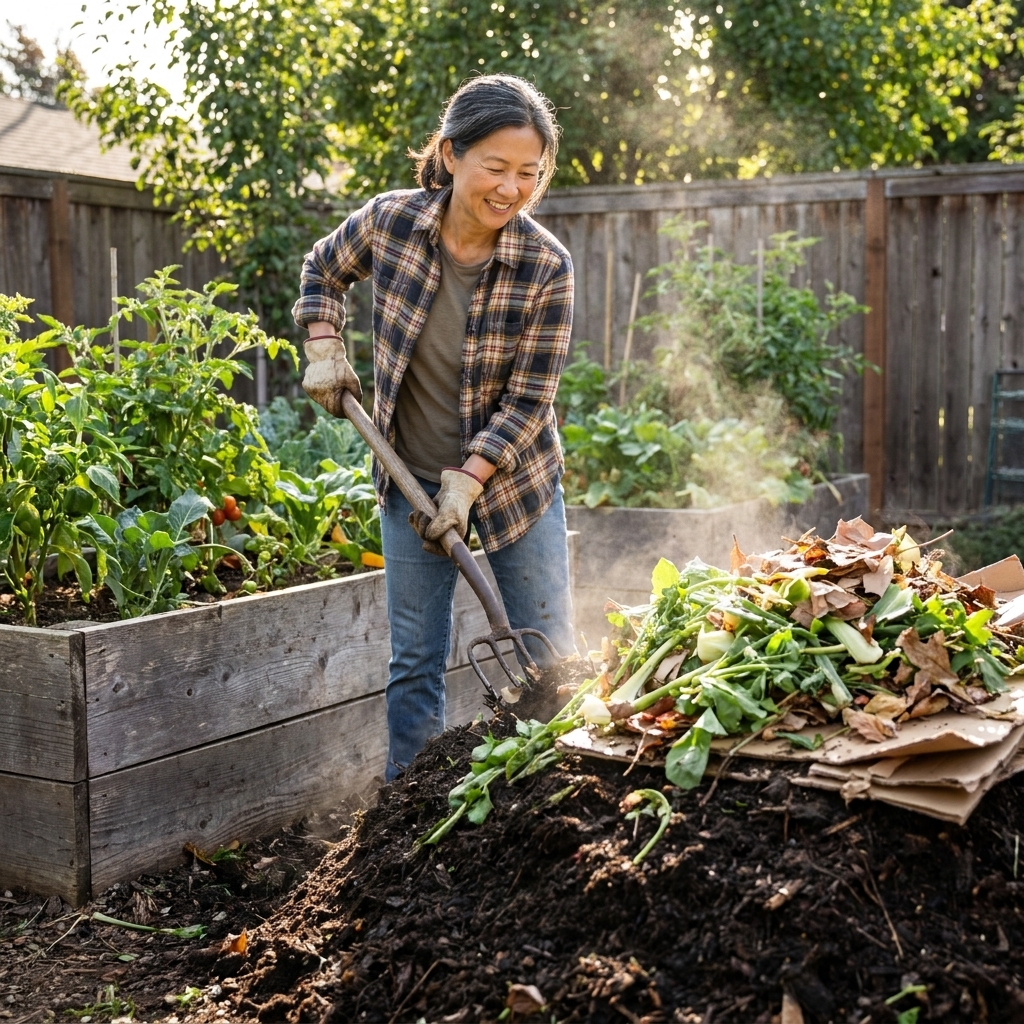
Some winters, my garden beds look like they are taking a long nap. In reality, they are either losing nutrients to rain, growing a nice little carpet of weeds, or compacting into something that feels suspiciously like brick. Cover crops are my favorite gentle fix because they work while you rest. You sow them in fall, they hold and feed the soil through winter, and then they turn into spring-ready organic matter.
Below are the best organic winter cover crops for home gardens, plus how to choose the right one for your bed and your climate. No perfection required. Just a little seed and a willingness to let your garden look usefully messy for a season.
What winter cover crops do
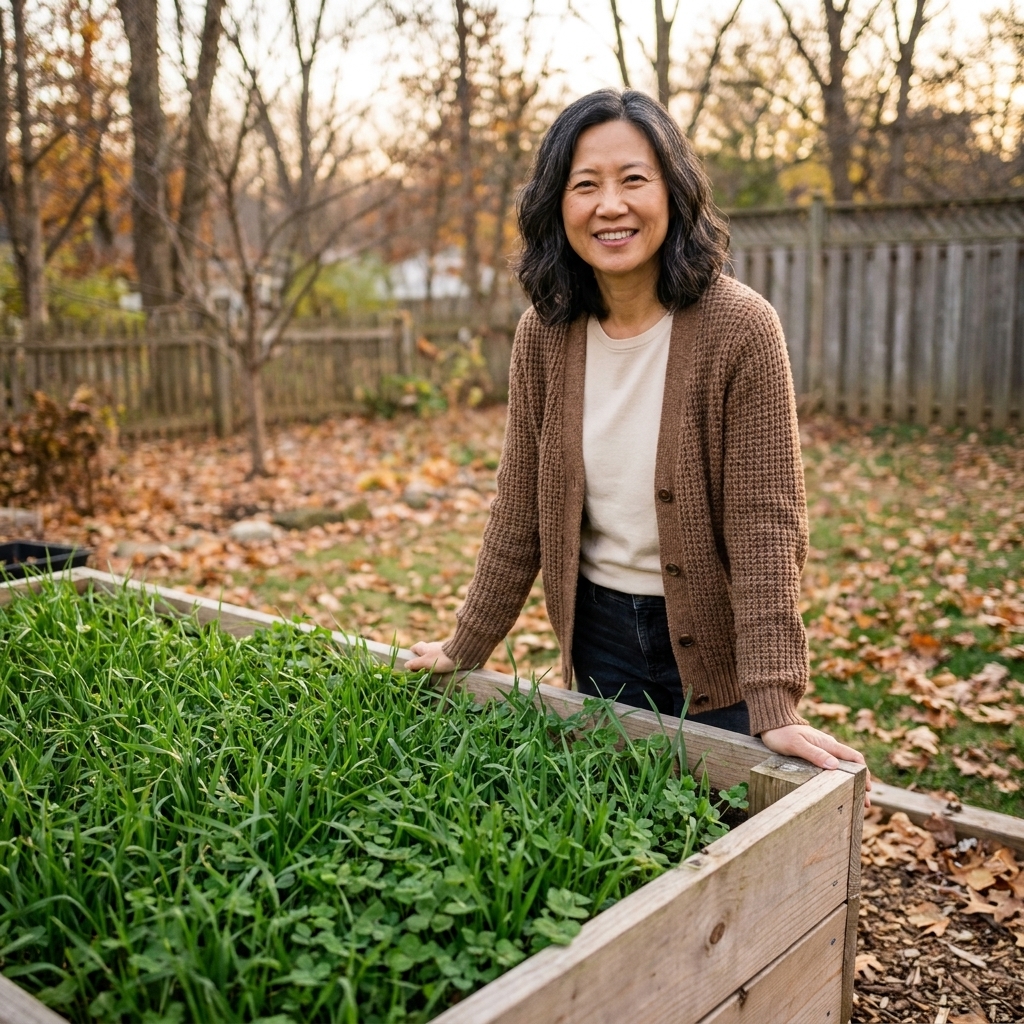
Cover crops are plants grown primarily to improve soil, not to harvest. Over winter, they can:
- Prevent erosion: Roots hold soil in place during heavy rain and snowmelt.
- Suppress weeds: Living foliage shades weed seeds and reduces spring weed explosions.
- Build organic matter: When you cut and leave the tops as mulch (chop-and-drop) or pull and compost, you are adding carbon back to the bed.
- Fix nitrogen (legumes): Clover and vetch partner with soil bacteria to convert atmospheric nitrogen into plant-available forms.
- Catch nutrients (cereal grains): Rye and oats grab leftover nitrogen so it does not leach away, then release it slowly as they break down.
- Improve soil structure: Roots create channels for air and water, and help reduce compaction over time.
Think of legumes as your winter fertilizer factory, and cereal grains as your winter mulch and nutrient safety net.
How to choose a cover crop
Start with winter cold
Some cover crops survive hard freezes. Others winter-kill, meaning they die after sustained cold and leave a ready-made mulch layer. Winter-kill can be a gift if you want an easier spring.
- Cold-winter climates: winter rye, oats (often winter-kill), field peas (often winter-kill), tillage radish (often winter-kills), hairy vetch if planted early enough and protected by reliable snow cover or a light mulch
- Mild-winter climates: crimson clover, fava beans, Austrian winter peas, barley, annual ryegrass, mixes
Pick your top goal
- Need nitrogen for spring-heavy feeders (corn, squash, leafy greens)? Choose a legume like crimson clover, hairy vetch, or winter peas.
- Need weed suppression and lots of biomass? Choose winter rye or a rye plus legume mix.
- Need better structure in tired soil? Choose a cereal grain (rye, oats) or add a deep-rooted option like tillage radish where winter-kill is reliable.
Be honest about spring timing
If you want to plant early spring crops, pick a cover crop that is easy to terminate. Oats and peas that winter-kill are low-drama. Winter rye is excellent, but it can be stubborn if you let it get tall.
Best organic winter cover crops
1) Crimson clover (Trifolium incarnatum)
Crimson clover is one of my top picks for home gardens because it is beginner-friendly and generous. It fixes nitrogen, feeds pollinators if you let it bloom in spring, and it breaks down faster than many grasses.
- Best for: boosting nitrogen, improving soil tilth, spring pollinator support
- Winter behavior: reliably overwinters in mild to moderate winters; in colder regions it may overwinter in protected microclimates (especially with consistent snow cover) or it may winter-kill
- Spring termination: cut at the base before seed set, then compost or lay as mulch
If you have ever tried to dig in a thick mat of mature cover crop and regretted your life choices, clover is a kinder place to start.
2) Hairy vetch (Vicia villosa)
Hairy vetch is a nitrogen powerhouse and a favorite in larger gardens because it makes a lot of biomass. It is also excellent in mixes with rye because the rye acts like a trellis, keeping vetch from turning into a tangled blanket.
- Best for: serious nitrogen fixation, building organic matter
- Winter behavior: can overwinter well in many regions when planted early enough; survival improves with snow cover or a light mulch in colder spots
- Spring termination: for hand tools and mowing, cut any time before seed set (earlier is easier to manage, later gives more biomass). If you need it fully dead without repeated cutting, timing matters more and later bloom-stage termination is often more reliable.
Heads up: Vetch can reseed if allowed to mature. If you do not want it volunteering next year, terminate on time.
3) Winter rye (cereal rye, Secale cereale)
If your main goal is to protect and rebuild soil, winter rye is the reliable workhorse. It germinates in cool soil, grows when other plants sulk, and produces a thick root system that helps with compaction and erosion.
- Best for: weed suppression, erosion control, lots of biomass, scavenging leftover nutrients
- Winter behavior: very cold hardy
- Spring termination: easiest when cut young, harder if it gets tall and fibrous
Timing tip: For a vegetable garden bed you want back in early spring, do not let rye get huge. Cut it down while it is still manageable, then give the residue time to break down.
Also: Rye can reseed too if you let it mature. If you do not want surprise rye next season, terminate before seed heads form.
4) Oats (Avena sativa)
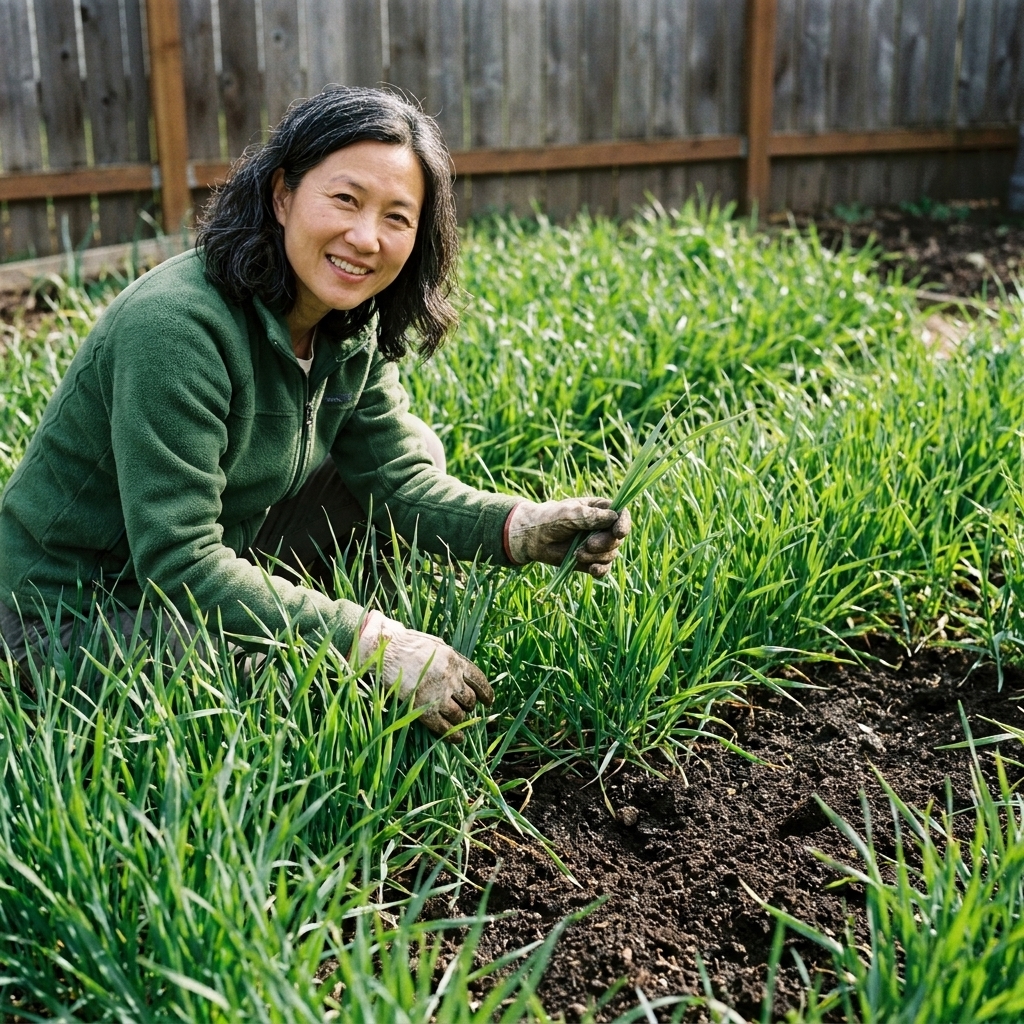
Oats are the cozy blanket option. In many colder areas they winter-kill, leaving a straw-like mulch on top of the bed that is incredibly pleasant to plant into in spring.
- Best for: easy spring beds, erosion control, quick fall growth
- Winter behavior: often winter-kills with sustained hard freezes
- Spring termination: usually none needed if winter-killed; otherwise cut young
Perfect for: gardeners who want the benefits of a cover crop without a complicated spring breakup process.
5) Austrian winter peas (Pisum sativum subsp. arvense)
Winter peas are a sweet spot for many gardens. They fix nitrogen, provide tender biomass that decomposes readily, and pair beautifully with oats or rye for better winter coverage.
- Best for: nitrogen, quick breakdown, mixes
- Winter behavior: varies by region; may overwinter in milder winters and winter-kill in colder ones
- Spring termination: cut at soil level before seed set for easiest management
6) White clover (Trifolium repens)
White clover is a true perennial in many climates. It is lower-growing and often used as a living mulch or pathway cover. In annual vegetable beds, it can be tricky because it does not politely disappear on schedule and it can compete with seedlings. But for orchard rows, pathways, and beds you want to keep covered long-term, it is fantastic.
- Best for: nitrogen fixation in semi-permanent areas, erosion control, pollinators
- Winter behavior: hardy in many regions
- Spring termination: best as a managed living mulch, or smother and remove for annual beds
7) Field peas and pea-oat blends
If you see “pea and oat cover crop mix,” that is not marketing fluff. It is a genuinely useful pairing: peas add nitrogen, oats add cover and structure, and both tend to be cooperative in spring, especially where winter-kill happens.
- Best for: balanced soil building, beginner-friendly mixes
- Winter behavior: frequently winter-kills in colder areas
- Spring termination: often minimal
8) Tillage radish (daikon-type radish, Raphanus sativus)
Tillage radish is the “bio-drill” option. It sends a thick taproot down into compacted soil, then often winter-kills and decomposes, leaving channels that improve infiltration. It is satisfying in the way that pulling a good weed is satisfying.
- Best for: breaking up compaction, improving drainage, nutrient scavenging
- Winter behavior: often winter-kills after sustained temperatures in the low teens F (around -10 to -12 C), depending on cultivar and weather swings
- Spring termination: usually none if winter-killed
One caution: Decomposing radish can have a strong smell for a short time. Consider it the aroma of progress.
Another small caution: Those decomposing “bio-drill” holes can leave soft spots. If you are direct-seeding tiny seeds, plant just beside the holes or wait until things settle.

Smart mixes
Mixes are popular for a reason. They give you multiple benefits and can be easier to manage than a single species that is either too leafy, too wiry, or too stubborn.
- Rye + hairy vetch: excellent weed suppression plus nitrogen. Great for depleted beds.
- Oats + peas: beginner-friendly, quick fall cover, often winter-kills for easy spring.
- Crimson clover + oats: nitrogen plus a softer mulch layer.
If you are new to cover crops, start with a two-way mix. It is plenty.
When and how to plant
Timing
Aim to plant after you clear summer crops but while soil still has a little warmth. In many gardens, that is late summer through mid-fall, depending on your first frost date. The earlier you plant, the more root growth you get before winter, which is where many of the soil benefits come from.
Seeding rates
Seed size, variety, and climate matter, so the most reliable answer is: follow the seeding rate on the bag, then err slightly heavier for small beds (because bare patches turn into weed patches). If you want a simple rule, aim for “even coverage” rather than perfect math. You are trying to shade soil, not win a spreadsheet contest.
Simple planting steps
- Clear the bed: remove spent crops and big weeds. You do not need to get every tiny sprout.
- Loosen lightly: rake the surface so seeds have contact with soil.
- Broadcast seed: scatter evenly by hand.
- Rake in: lightly rake to cover seed, then pat the surface down.
- Water: keep the top layer moist until germination if rain is not cooperating.
In raised beds: I love using cover crops because they protect that precious, expensive soil mix from winter pounding and nutrient loss.
How to terminate in spring
Termination is just a fancy word for how you stop the cover crop so you can plant vegetables. Your method depends on what you planted and how you garden.
Option 1: Chop-and-drop mulch
Cut plants at soil level and leave the tops on the bed as mulch. This works best for softer covers like clover and peas, and for gardeners who do not need to sow tiny seeds right away.
Option 2: Pull and compost
For small beds, pulling is totally reasonable. Shake off soil back into the bed, then compost the tops. This is my go-to when I want to plant carrots or direct-seeded greens soon.
Option 3: Incorporate lightly, then wait
If you choose to mix residue into the top few inches, do it 2 to 4 weeks before planting. Fresh plant material can temporarily tie up nitrogen as it decomposes. This risk is strongest when you incorporate high-carbon, mature cereal rye. If you leave residue on the surface as mulch, nitrogen tie-up is usually less dramatic, but I still like giving the bed a little time before direct seeding.
Rye timing
Rye becomes more fibrous the longer it grows. If you know you will want early spring planting, cut rye while it is still tender and before it gets tall. Your future self will thank you.
Common mistakes
- “It did not germinate.” Usually seed-to-soil contact or dryness. Rake in more thoroughly and water for a week if rain is absent.
- “It turned into a jungle.” Next year, plant less aggressive species or terminate earlier. Rye and vetch are amazing, but they do not do subtle.
- “Now I cannot plant because it is still green.” Choose winter-kill options next time (oats, radish in cold climates) or cut earlier. For persistent growers like rye and vetch, you may need more than one cut if you terminate early.
- “I found bugs under the cover crop.” You will see more life, including decomposers. If you spot slugs, pull back mulch near seedlings and water in the morning.
Quick picks
- Early spring veggies: oats (winter-kill), pea-oat mix, tillage radish in cold climates
- Heavy feeders in late spring: hairy vetch, crimson clover, vetch-rye mix
- Weed suppression: winter rye (alone or with vetch)
- Pathways and semi-permanent areas: white clover
FAQ
Do I need to inoculate clover or vetch seeds?
Inoculant can help legumes fix nitrogen more reliably, especially in new beds or places where legumes have not been grown before. If you want maximum nitrogen benefit, it is a small, worthwhile step. Just make sure you buy the right inoculant for the legume you are planting. Peas and vetch typically use a different rhizobium group than clovers, so use the inoculant labeled for your specific crop.
Can I leave cover crops on the bed and plant through them?
Sometimes, yes. If the cover crop winter-kills, you can often plant right into the residue. If it overwinters, you will typically need to cut it first. For transplants like tomatoes and peppers, planting into chopped residue is easier than for tiny direct-seeded crops.
Will cover crops steal nutrients from my vegetables?
While they are growing, cover crops use nutrients, which is part of the point. They hold those nutrients in living tissue so they do not wash away, then release them back as they decompose. The main exception is if you incorporate a lot of mature, high-carbon residue (like older cereal rye) and plant immediately. Waiting a few weeks solves most issues.
Are cover crops worth it in small raised beds?
Absolutely. Raised beds dry and leach faster than in-ground soil, and the soil is usually something you invested in. A winter cover crop protects that investment and makes spring soil easier to work.
The takeaway
You do not need a perfect cover crop plan to see benefits. Pick one species that fits your winter and your spring planting timeline, scatter the seed, and let the bed do something useful while you do something cozy. Come spring, you will be rewarded with soil that is darker, fluffier, and far more willing to grow the plants you actually want.